






More Than Just a Tidy-Up
Pruning and thinning might seem like you are hurting the plant, but it is one of the most beneficial things you can do for your garden. When plants become too dense, they start competing with each other—and even with themselves—for essential resources
like sunlight, water, and soil nutrients. This competition leads to weak, spindly stems and fewer flowers. Thinning out this excess growth allows air to circulate freely through the branches, which is critical for preventing fungal diseases and pest infestations that thrive in damp, crowded conditions. A well-pruned plant is a healthier plant, directing its energy into producing strong roots, lush foliage, and vibrant blooms rather than sustaining unproductive or unhealthy branches.
The Right Time to Make the Cut
Timing is crucial in pruning; a cut at the wrong time can remove future flowers or expose the plant to disease. For most parts of India, the general rule is to undertake major structural pruning during the cooler, drier months of late winter (December to February). During this dormant period, the plant's structure is easy to see without leaves, and the risk of infection in the open cuts is lower. The post-monsoon season (October to November) is another excellent window for light to moderate trimming, allowing plants to recover before winter. It's best to avoid heavy pruning during the peak of the monsoon, as the high humidity can encourage fungal growth on fresh wounds. Light trimming to remove dead wood or control fast-growing summer shoots on plants like roses and bougainvillea can be done before the rains arrive.
Choosing Your Tools for the Task
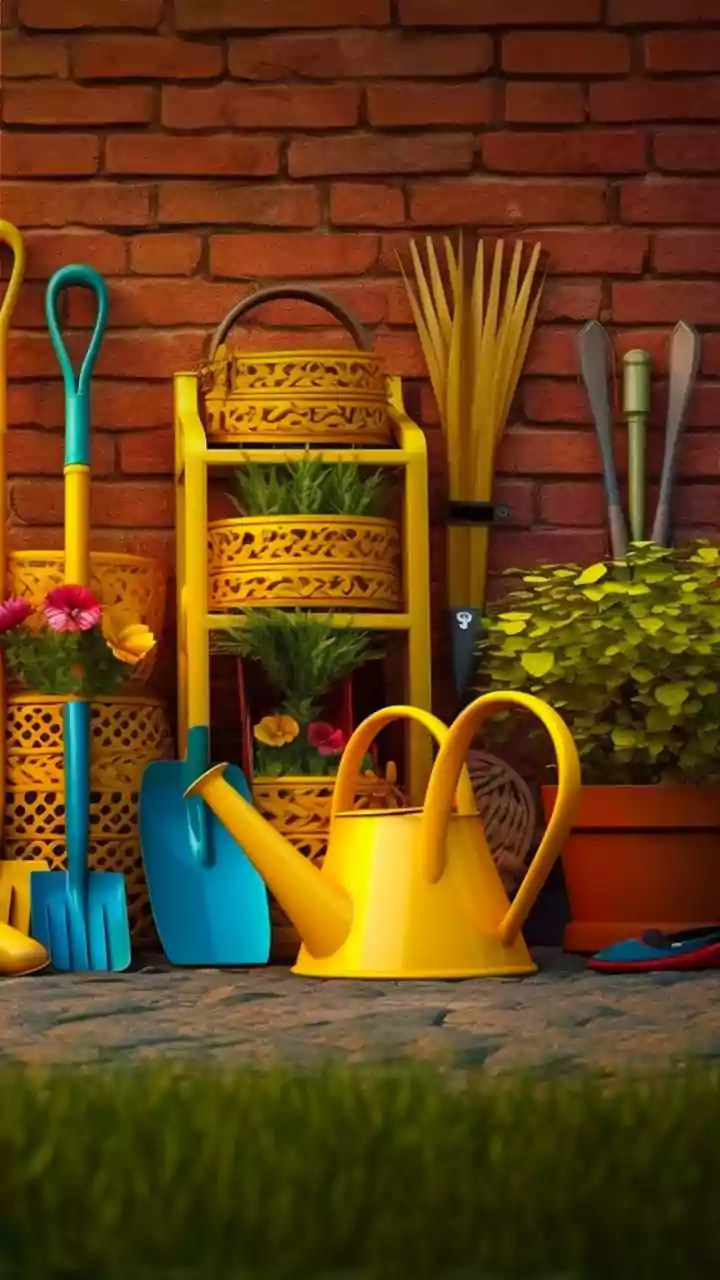
Using the right tool makes the job easier and is better for your plants. A clean cut heals faster and is less likely to get infected. You only need a few basic tools for most garden jobs. Bypass Secateurs: These work like scissors and are perfect for cutting live, green stems up to the thickness of a pencil. They make a clean slice without crushing the stem. Loppers: With their long handles, loppers provide the leverage needed to cut through thicker branches, typically up to two inches in diameter. A Pruning Saw: For any branch too thick for loppers, a pruning saw is essential. Always ensure your tools are sharp and clean. It is good practice to wipe the blades with rubbing alcohol between plants, especially if you suspect one might be diseased.
A Simple Four-Step Pruning Method
Don't be intimidated by the process. Follow these four simple steps for almost any shrub or climber. First, assess the plant from a distance to understand its overall shape and identify problem areas. Second, start by removing what are known as the 'three Ds': any wood that is clearly Dead, Diseased, or Damaged. This is the most important step for plant health. Third, thin out the interior of the plant by removing branches that cross over each other or grow inward toward the centre. This opens the plant up to light and air. Finally, step back again and perform the final shaping. Trim branches that spoil the plant's natural form, but never remove more than one-third of the plant’s total mass in a single session. When making a cut, snip just above an outward-facing bud to encourage new growth away from the centre of the plant.
Reclaiming Your Paths and Railings
For the specific problem of plants blocking access, the approach is direct. For a shrub encroaching on a path, trim back the offending branches to the desired boundary. Don’t be afraid to reach inside the plant and cut some of the longer branches back to their source. For climbers like bougainvillea or jasmine taking over a railing, gently untangle the stems and selectively remove the oldest, woodiest ones at the base, keeping the younger, more flexible growth. When a plant is crowding its neighbours, thin it by removing a few of the oldest, thickest canes right down at ground level. This 'rejuvenation' pruning encourages new, more manageable growth from the base and restores balance in your garden bed.