


Understanding the 'Danger Zone'
The most critical concept in food safety is the “temperature danger zone.” This is the temperature range between 40°F (4°C) and 140°F (60°C) where bacteria can multiply rapidly. Leaving perishable food in this zone for more than two hours dramatically
increases the risk of foodborne illness. When you have a large, dense pot of hot food, it can take many hours to cool down, spending far too long in this danger zone, even inside a refrigerator. A common mistake is to place a large, hot, covered pot directly into the fridge. This not only fails to cool the food quickly enough but can also raise the ambient temperature of the refrigerator, putting other foods at risk.
The Shallow Portion Solution
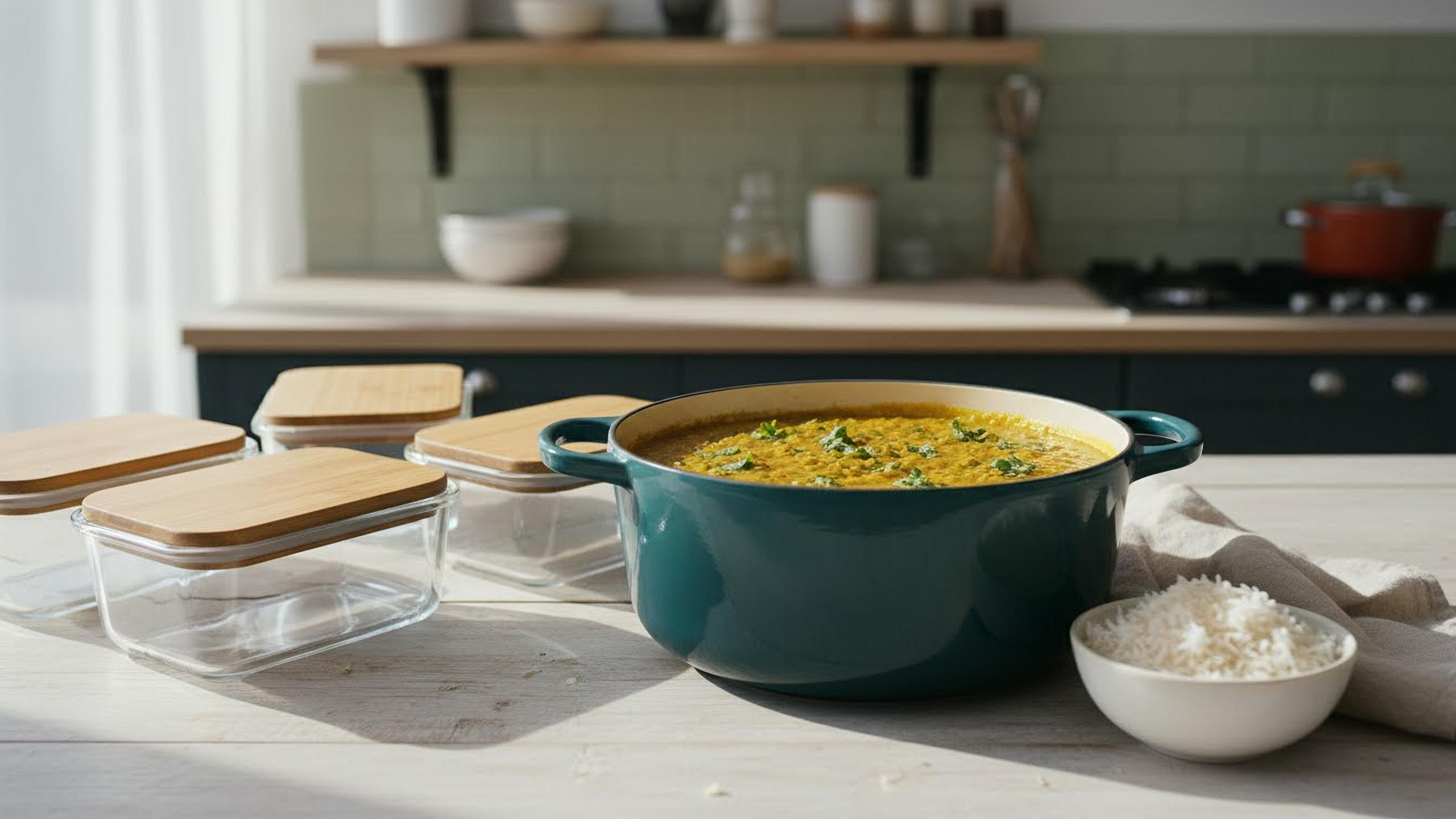
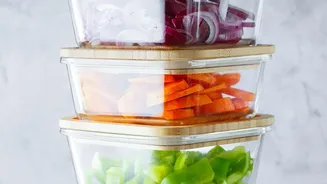
The single most effective strategy for cooling food quickly is to divide and conquer. Instead of leaving the food in its original deep pot, transfer it into multiple smaller, shallow containers. The principle is simple: increasing the surface area of the food allows heat to escape much more rapidly. A depth of two inches or less is ideal for quick cooling. This method ensures that the core temperature of the food drops below the danger zone much faster, often within the recommended two-hour window. It's a simple plan that organises the cooling process efficiently.
Choosing the Right Tools
The material of your storage containers also matters. Metal containers, such as stainless steel or aluminum pans, are excellent conductors and will transfer heat away from the food more efficiently than plastic. Glass containers are another good option. While plastic containers are convenient, they tend to insulate, which is the opposite of what you want when trying to cool food quickly. When you transfer the hot food, leave the containers uncovered or loosely covered at first to allow steam and heat to escape. Once the food has cooled to around room temperature, you can cover it tightly and place it in the refrigerator.
Accelerating the Cooling Process
For very large quantities or for foods that are particularly dense, you might want to use additional techniques to speed up cooling. An ice bath is a highly effective method. Place your smaller, shallow containers of food into a larger basin or sink filled with ice and a little cold water. Stir the food occasionally to help release heat from the center. Another professional trick is to use an ice paddle—a reusable, freezable tool that you can stir through the food to cool it from the inside out. You can also prepare food to be slightly thicker than desired and then add ice as part of the recipe to help it cool down.
Common Cooling Mistakes to Avoid
To ensure food safety, it's just as important to know what not to do. Never leave perishable food out on the counter to cool for more than two hours. If the room temperature is above 90°F (32°C), that window shrinks to just one hour. Don't place a large, piping hot pot directly into your refrigerator or freezer; it won't cool safely and can endanger other foods. Avoid sealing a container of hot food with a tight lid immediately. Trapped steam creates condensation but also slows the cooling process. Finally, do not cool food outdoors, as temperatures can fluctuate and you risk contamination from animals or the environment.