


The Millet Renaissance in Your Kitchen
For generations, millets were a staple food across India, valued for their resilience and nutrition. Today, as we seek healthier alternatives to refined flours, we are rediscovering these powerhouse grains. Millet flours are not only gluten-free but also
boast an impressive nutritional profile, rich in protein, essential minerals like magnesium and iron, and antioxidants. Their high dietary fibre content is a significant advantage, aiding in digestive health and providing a sustained release of energy. This makes them a fantastic ingredient for upgrading the nutritional value of everything from cookies to cakes, without sacrificing flavour.
Jowar (Sorghum): The Versatile All-Rounder
If you're new to baking with millets, Jowar (Sorghum) is an excellent place to start. With a mild, slightly sweet flavour and a texture similar to traditional flour, it's incredibly versatile. Jowar is packed with protein and fibre, which helps create a good structure in baked goods like cakes and cookies. Its ability to absorb moisture well contributes to a soft, tender crumb, making it ideal for moist banana breads or rich chocolate cakes. Because it doesn't have a strong, overpowering taste, it easily adapts to both sweet and savoury snack recipes, from mathris to muffins.
Ragi (Finger Millet): The Nutrient-Dense Powerhouse
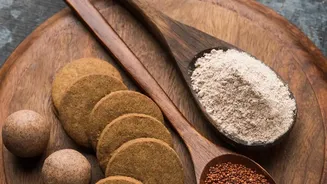
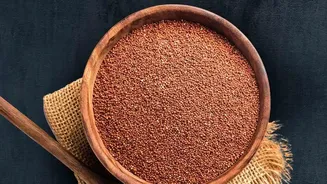
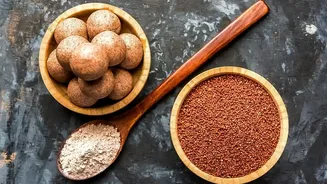
Ragi is renowned for its exceptional nutritional content, particularly its high levels of calcium—almost ten times that of wheat. This makes it a wonderful addition to snacks for growing children and adults alike. Ragi has a distinct, earthy flavour and gives baked goods a beautiful, dark colour. While its taste can be an acquired one, it pairs wonderfully with strong flavours like chocolate, coffee, and spices like cinnamon. Think decadent ragi brownies, crispy chocolate-chip cookies, or savoury baked crackers. Due to its coarse texture, it can be beneficial to blend it with other flours like whole wheat or oat flour to achieve a lighter result.
Bajra (Pearl Millet): The Warming Winter Flour
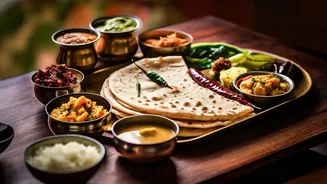
Bajra, or pearl millet, is often associated with winter due to its warming properties. It has a slightly nutty, bold flavour that works well in rustic and dense baked goods. While traditionally used for rotis, bajra flour can be creatively incorporated into baking. It has the highest iron content among the common millets. It can be used to make hearty muffins, flavourful cookies, and even cakes, though it is often blended with whole wheat flour to improve texture and binding. Its unique taste pairs well with ingredients like jaggery, cardamom, and ginger, making it perfect for creating traditional Indian sweets with a healthy twist.
Tips for Successful Millet Baking
Baking with gluten-free millet flours requires a slightly different approach than baking with wheat flour. Since they lack gluten, they don't have the same elasticity. For best results, start by substituting about 20-25% of the all-purpose flour in your recipe with a millet flour. You can gradually increase this as you get more comfortable. Blending different millet flours or combining them with binders like xanthan gum, eggs, or even mashed bananas can help improve the structure and texture of your bakes. Millet flours are also quite absorbent, so you might need to increase the liquid content in your recipe to avoid a dry or dense final product.