






The Pressure to Proceed
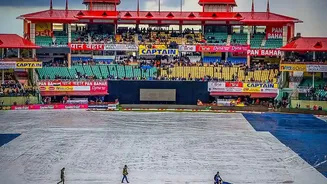
Whether it’s a major sporting event, a local festival, or simply the daily rush hour, schedules provide structure. For organisers, fixed start times are tied to broadcasting rights, vendor contracts, and ticket-holder expectations. For individuals, there
is the investment of time and money, and the psychological pull to follow through on a plan. This creates a powerful inertia, a collective momentum that pushes everyone to ignore the warning signs in the sky. Behavioural science shows that in the face of uncertainty, people often hesitate, seeking more information before changing course. Supervisors might think one more task can be completed, or commuters might believe the storm is still far enough away. This pressure to stick to the clock can lead to a dangerous underestimation of risk, where the commitment to a timetable silently overrides basic safety instincts.
When Nature Ignores the Clock
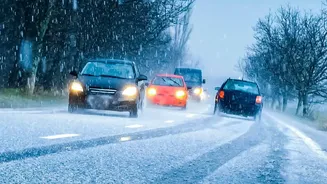
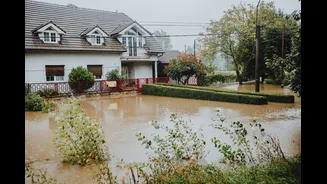
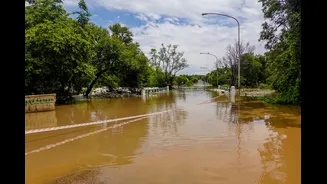
Severe rain, especially during monsoon season, doesn't adhere to a schedule. What begins as a downpour can escalate into a flash flood within minutes, turning roads into rivers and sweeping away vehicles. The National Weather Service warns that as little as six inches of fast-moving water can knock a person off their feet, and two feet can float a car. Beyond flooding, heavy rain brings other hazards. Lightning can strike miles from the centre of a storm, making any outdoor location unsafe. High winds can turn unsecured objects, from temporary structures at events to garbage cans, into dangerous projectiles. When a large crowd is involved, the situation becomes even more precarious. A sudden downpour can trigger rapid movement towards limited shelter, creating bottlenecks and raising the risk of stampedes or crushes, especially if exit routes are not clearly defined or become blocked.
The Hidden Dangers of Urban Environments
In cities, the built environment adds another layer of risk. Concrete and asphalt prevent rainwater from being absorbed into the ground, leading to rapid runoff that can overwhelm drainage systems. Steep, cobbled streets can become slick, fast-moving channels for water, and low-lying underpasses can flood in minutes, trapping vehicles and commuters. The 2021 Zhengzhou flood in China, where commuters were trapped in a flooded subway tunnel, serves as a tragic reminder of how quickly urban infrastructure can fail during extreme rainfall. Inadequate risk assessment and communication failures can turn a predictable weather event into a catastrophe. For event organisers, the responsibility includes understanding how the venue itself will behave in a deluge, from ensuring tent structures are secure to planning for power outages and blocked access roads.
A Smarter Approach: Building in Flexibility
The solution isn't to cancel everything at the first sign of a cloud, but to shift from a rigid mindset to one of adaptive planning. Event safety experts emphasize the need for robust contingency plans that are developed months in advance. This includes having a clear chain of command for who can delay or cancel an event, pre-scripted communication messages for attendees, and identifying safe shelters and dynamic evacuation routes that won't flood. For individuals, it means cultivating a personal culture of safety. This involves checking weather forecasts before heading out, being willing to change plans, and knowing when to seek higher ground. When thunder roars, the safest place is indoors in a substantial building. Ultimately, true resilience lies in acknowledging that some forces are beyond our control. Prioritising human safety over an arbitrary start time is not a failure of planning; it is the hallmark of a successful one.