




The Hidden Cost of Sitting Still
Our bodies were designed for movement. Yet, with over 80% of jobs in countries like the U.S. being largely sedentary, many professionals spend most of their day sitting. This prolonged stillness takes a toll. When you sit for extended periods, your hip
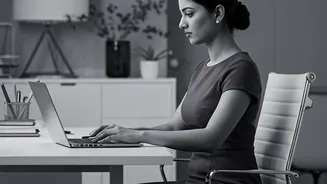
flexors shorten, and muscles in your back, neck, and shoulders can become tight and strained. This often leads to poor posture, like slouching or hunching, which can cause chronic pain. Furthermore, sitting impedes blood circulation, particularly in the legs, which can cause swelling and increase other health risks. Even if you exercise daily, research shows it may not be enough to counteract the negative effects of sitting for hours on end. The problem isn't just a lack of a workout; it's the uninterrupted nature of being sedentary.
Why Your Brain Feels Foggy
The physical strain is only half the story. That mental sluggishness you feel after hours in a chair is a real phenomenon linked to how your brain gets its fuel. The brain is an energy-hungry organ, demanding about 20% of your body's resting energy, primarily in the form of glucose delivered by blood. Studies have shown that prolonged, uninterrupted sitting can reduce blood flow to the brain. This decrease in circulation means less oxygen and fewer nutrients reach your neurons, which can impair cognitive functions like attention, memory, and problem-solving. Poor posture exacerbates this by compressing your diaphragm and reducing lung capacity, further limiting oxygen intake. In short, when you sit still for too long, you are quite literally starving your brain of the resources it needs to stay sharp.
The Solution: 'Exercise Snacks'
The answer isn't necessarily a 10-kilometre run at lunch. Instead, experts point to the power of 'exercise snacks'—short, simple bursts of movement taken throughout the day. Taking a two-minute activity break every 30 to 60 minutes can make a significant difference. These brief interruptions help restore blood flow, activate muscles that have gone dormant, and reset your posture. Think of it as hitting a refresh button for your body and mind. One study found that when participants took short walking breaks, the decline in brain blood flow associated with continuous sitting was entirely prevented. These 'snacks' don't need to be strenuous; the goal is simply to break the cycle of being sedentary.
Five Simple Movements for Your Workspace
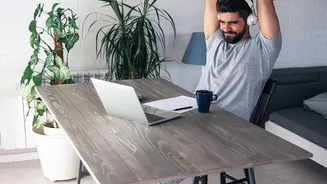
You don't need a gym or special equipment to start. These exercises can be done right at your desk to combat stiffness and wake up your body. 1. Neck Stretches: Sit up straight and gently tilt your head, bringing your left ear toward your left shoulder. Hold for 15-30 seconds, feeling a gentle stretch. Repeat on the right side to release neck tension. 2. Shoulder Rolls: Lift your shoulders up toward your ears, then roll them backward and down in a circle. Do this 5-10 times to alleviate tension built up from typing and using a mouse. 3. Trunk Rotations: While seated, cross your arms over your chest or place your hands behind your head. Gently twist your upper body to the left, hold for a moment, and then twist to the right. This helps prevent a stiff back. 4. Seated Leg Lifts: Sit upright and extend one leg straight out in front of you. Hold for a few seconds, then lower it. Alternate legs to activate your quadriceps and improve lower body circulation. 5. Wrist and Finger Stretches: Extend your arms with palms facing down. Gently flex your wrists up and down. Then, make a fist and hold for 30 seconds before spreading your fingers wide. This helps prevent repetitive strain from keyboard use.
Building a Lasting Habit
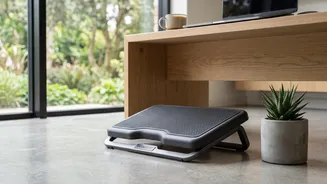
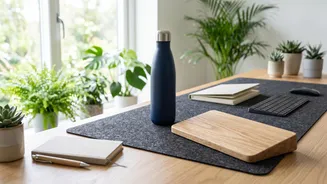
The key to success is consistency. The goal is to make these movement breaks a non-negotiable part of your workday rhythm. Start by setting a recurring timer for every hour to remind yourself to stand up. Attach the new habit to an existing one; for example, make it a rule to stand up and stretch after every meeting or phone call. Use a smaller water bottle so you have to get up more frequently to refill it. If you have the option, alternating between a sitting and standing desk can also prompt more regular movement. The easier and more integrated these breaks become, the more likely you are to stick with them, turning a small change into a powerful tool for professional longevity and well-being.