





Hair breakage is a common concern across India, but the solution might be simpler than you think. While a wide-tooth comb is a great start, the right tools are key to gentle care. Here are five brushes to protect your precious strands.
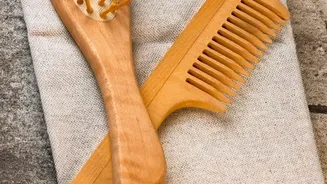
The Traditional Neem Wood Comb
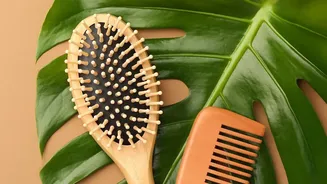
An age-old secret
for healthy hair, the neem wood comb is a staple for a reason. Unlike plastic combs that can create static and lead to frizz, a wooden comb glides through hair smoothly. Indian hair, which is often thick and exposed to humid weather, benefits immensely from this. The natural wood helps distribute your scalp's oils from root to tip, keeping ends nourished and preventing that dry, brittle feeling. Many also believe in its antibacterial properties, attributed to the neem wood itself, which can help maintain a healthier scalp environment, potentially reducing dandruff. It's a simple, eco-friendly switch that pays homage to traditional Indian hair care wisdom.
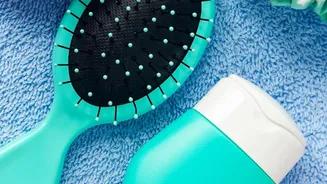
The Flexible Detangling Brush
For those with wavy, curly, or easily knotted hair, a modern detangling brush can be a game-changer. These brushes are engineered with flexible bristles of varying lengths that bend and move with your hair, rather than pulling against tough knots. This flexibility is crucial for minimizing the mechanical stress that leads to snapping and breakage, especially on wet hair which is more fragile. For many with thick or curly Indian hair, using a detangling brush in the shower on conditioner-soaked hair can significantly cut down detangling time and prevent unnecessary hair fall. It's a specialized tool designed specifically for releasing tangles gently.
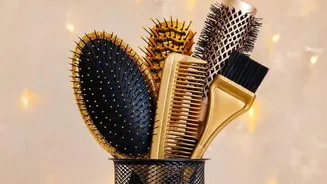
The Classic Paddle Brush
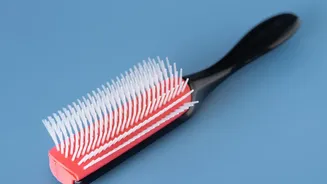
The paddle brush is a must-have for everyday grooming and smoothing. Its broad, flat surface covers large sections of hair at once, making it efficient for daily use on straight or wavy textures. The bristles are typically set in a cushioned base, which absorbs pressure and provides a gentle feel against the scalp. While its primary job is smoothing and managing already detangled hair, a good paddle brush can also help distribute natural oils. However, it's generally recommended for use on dry or damp hair, as a dedicated detangler is often a safer choice for working through knots on very wet hair.
The Scalp Massaging Brush
Healthy hair begins with a healthy scalp. A scalp massaging brush, often made with soft, flexible silicone bristles, is designed not for detangling but for scalp care. Used during shampooing, it helps to create a better lather, gently exfoliate the scalp, and lift away product buildup, dirt, and excess oil. This stimulation is believed to increase blood circulation to the hair follicles, which is essential for delivering nutrients and promoting a healthy environment for hair growth. It can also be a relaxing part of your 'champi' or oiling routine, helping to work in oils and treatments more effectively.
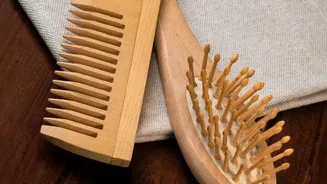
The Wide-Tooth Shower Comb
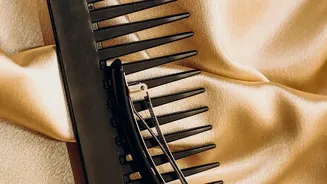
The hero of our headline, the wide-tooth comb, remains an indispensable tool, especially for use in the shower. When hair is wet, it is at its most vulnerable and prone to stretching and breaking. The wide spaces between the teeth of this comb allow it to glide through wet, conditioner-coated hair with minimal friction and pulling. This is the best tool for the initial detangling process, especially for those with thick, long, or curly hair. Always start combing from the ends and gradually work your way up to the roots to gently remove tangles without creating a bigger knot.