



1. Turning Cities into Sponges
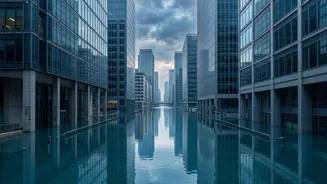
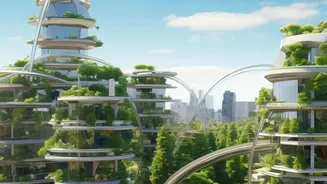
Rapid urbanisation has covered vast areas with concrete and asphalt, creating impermeable surfaces that cause rainwater to flood streets instead of seeping into the ground. The 'Sponge City' concept aims to reverse this. By integrating nature-based solutions
like rain gardens, permeable pavements, and green roofs, cities can be designed to absorb, clean, and slowly release stormwater. This approach not only mitigates urban flooding but also helps recharge groundwater levels. Cities like Mumbai and Chennai are exploring how to restore natural ecosystems like wetlands and mangroves, which act as natural sponges and buffers against storm surges. The goal is simple: work with water, not against it, by giving it more places to go.
2. Deploying Heat Action Plans
Extreme heat is no longer a rare occurrence but a public health emergency in many Indian cities. In response, cities are developing Heat Action Plans (HAPs) to protect their most vulnerable citizens. Ahmedabad pioneered this approach in India, creating a colour-coded alert system to warn the public about impending heatwaves. These plans are comprehensive strategies that include early warning systems, setting up public cooling centres, ensuring access to drinking water, and adjusting work schedules for outdoor labourers. While around 300 cities have some form of HAP, thousands of urban areas still lack one, highlighting an urgent need for wider adoption. The focus is shifting from simply reacting to heatwaves to proactively managing them as a recurring seasonal threat.
3. Investing in Green and Cool Infrastructure
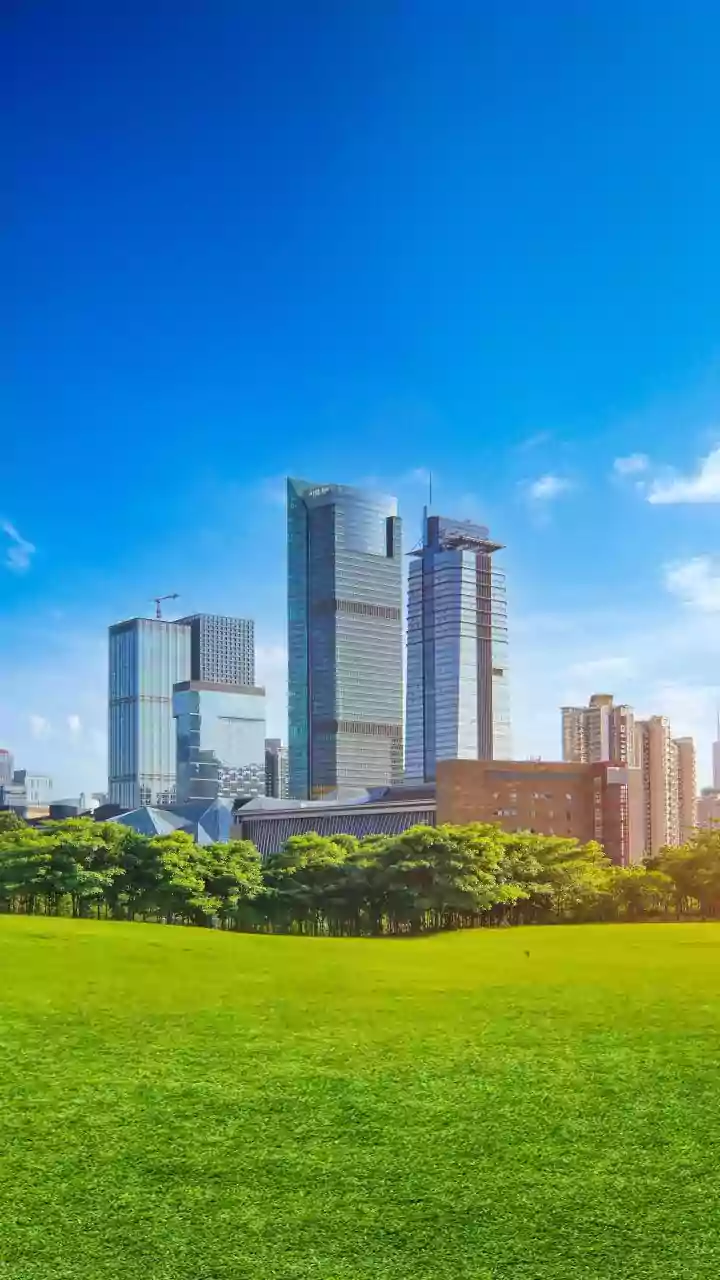
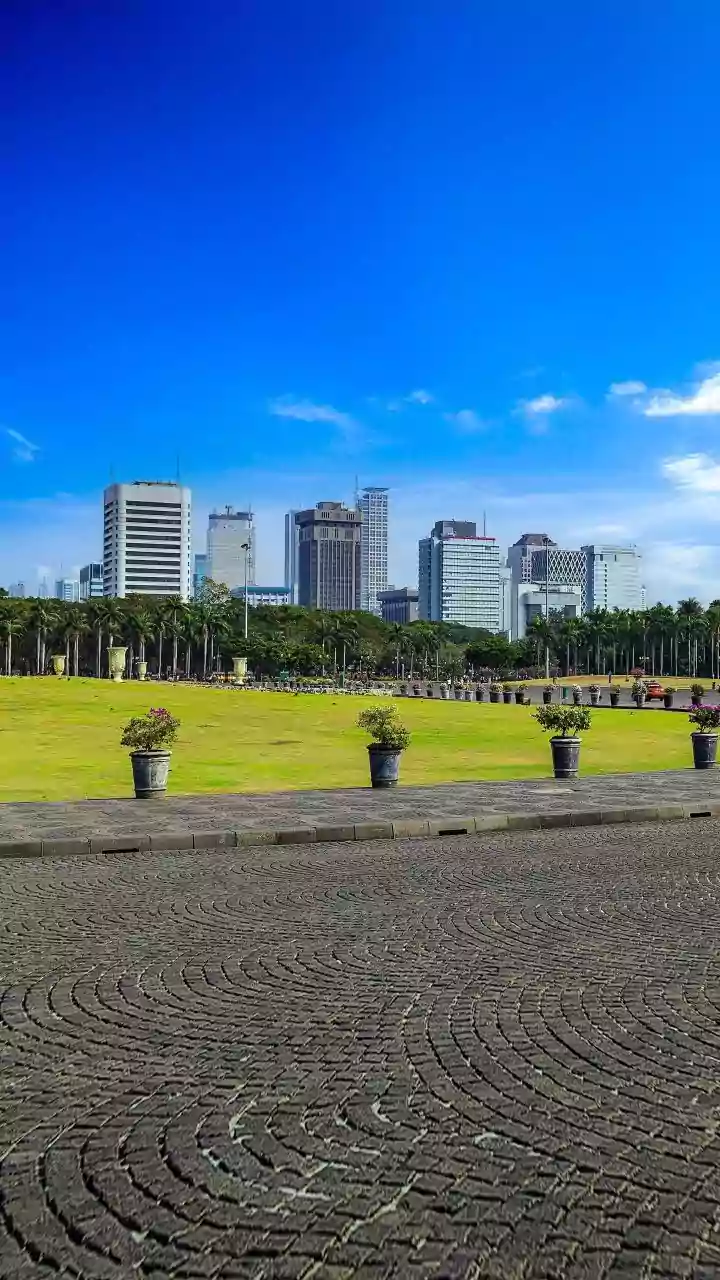
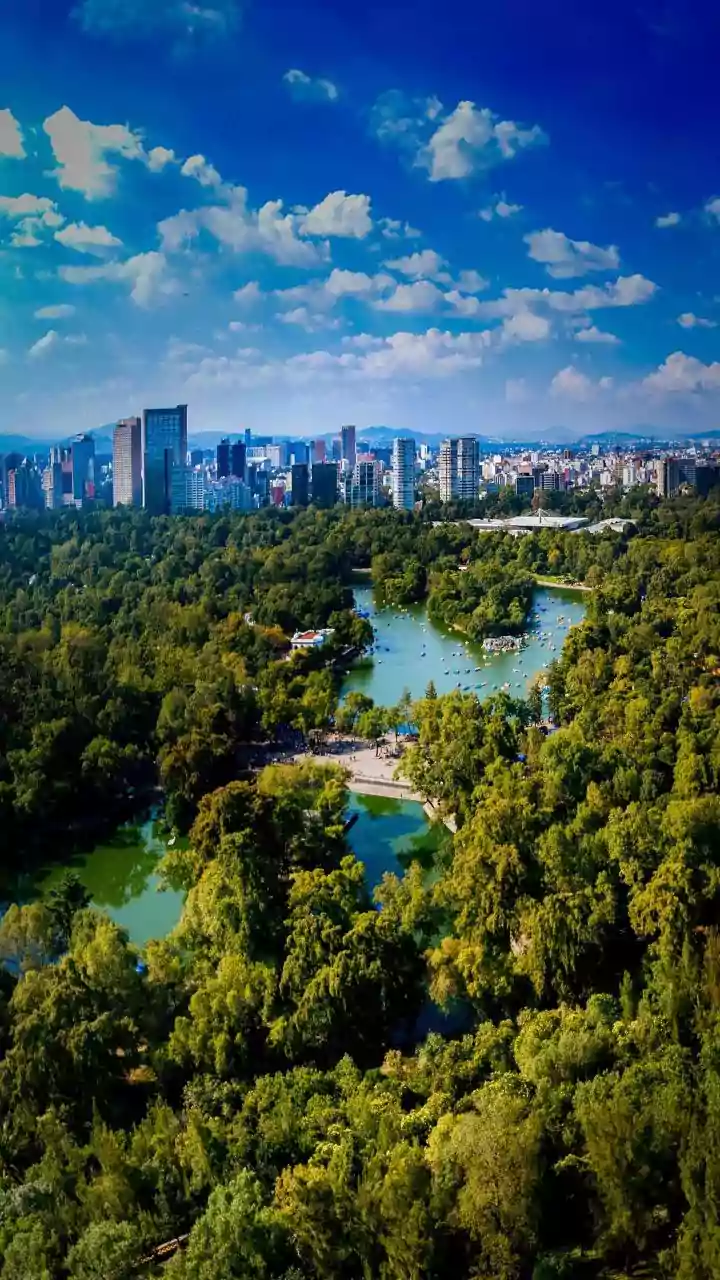
Beyond managing floods, green infrastructure is crucial for tackling the urban heat island effect, where cities are significantly hotter than surrounding rural areas. Planting more trees provides shade and cools the air through evapotranspiration. Another effective strategy is the use of 'cool roofs'—painting rooftops with reflective white paint to reduce heat absorption. Integrating green spaces, such as parks and urban forests, into city planning helps regulate temperatures, improve air quality, and enhance biodiversity. These long-term investments in nature-based solutions are essential for making cities more liveable as temperatures continue to rise.
4. Modernising Water and Energy Systems
Climate resilience depends heavily on robust infrastructure for critical services. For water, this means moving beyond traditional drainage to include systems for rainwater harvesting and wastewater recycling, which help combat both floods and water scarcity. On the energy front, cities need reliable power grids that can withstand extreme weather. This involves investing in decentralised renewable energy sources and developing smart grids that can quickly respond to disruptions. In Hyderabad, for example, strategies to improve the power sector and expand renewable energy are key parts of its climate resilience plan. These upgrades ensure that essential services continue to function during a crisis.
5. Empowering Communities and Using Data
Resilience isn't just about physical infrastructure; it's also about people. Successful climate adaptation requires collaboration between governments, the private sector, and local communities. In the coastal city of Visakhapatnam, a volunteer-based system helps monitor local conditions and serves as a network of first responders, using apps to send updates to a central command centre. At the same time, technology like climate modelling and digital twins helps planners visualise risks and test interventions before they are built. Combining local knowledge with data-driven planning ensures that solutions are effective and tailored to the specific needs of each community.