




The Familiar Boom-and-Bust Cycle
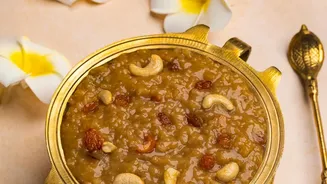
From Diwali sweets to Christmas feasts, Indian festivals are deeply intertwined with food. It’s a time for connection, tradition, and indulgence. For years, the unwritten rule has been to feast without restraint and then pay the price. The days following
celebrations are often marked by intense guilt, a feeling of having “blown it,” and a frantic search for the quickest fix. This usually leads to extreme “detox” plans, juice cleanses, or highly restrictive diets designed to undo the damage as quickly as possible. This boom-and-bust cycle, however, is not only mentally exhausting but can also be physically detrimental. Health professionals are increasingly warning that this all-or-nothing mindset is an unhealthy way to live.
Why Post-Festive Crash Diets Fail
The promise of a rapid reset is tempting, but crash dieting often does more harm than good. Drastically cutting calories can slow down your metabolism, making it even harder to manage weight in the long run. This yo-yo effect is a common outcome. Furthermore, these diets can lead to significant nutrient deficiencies, as you're not just cutting calories but also essential vitamins and minerals. This can result in fatigue, hair loss, a weakened immune system, and mood swings. In severe cases, rapid weight loss is a risk factor for health issues like gallstones and heart strain. The mental toll is just as severe, often triggering anxiety, preoccupation with food, and setting the stage for disordered eating patterns.
The New Approach: Mindful Indulgence
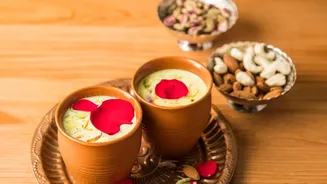
The rethink happening among nutritionists and wellness experts centres on one key idea: mindful indulgence. This approach encourages you to let go of the “good” versus “bad” food mentality. Food doesn't have a moral value. Instead of forbidding festive treats, the focus is on savouring them without guilt. Mindful eating is about being present and paying attention to your body’s hunger and fullness signals. It means truly tasting that piece of mithai or that serving of biryani, enjoying its flavours and textures, and stopping when you feel satisfied, not stuffed. It’s a shift from seeing food as an enemy to be conquered to viewing it as a source of pleasure, culture, and connection.
Practical Tips for a Guilt-Free Season
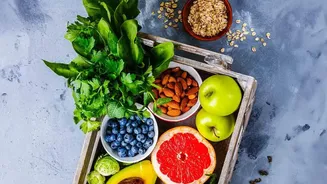
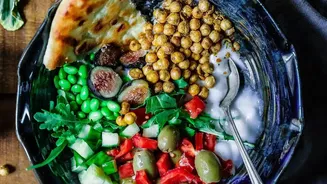
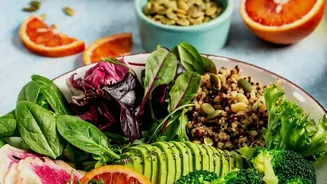
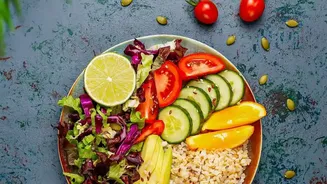
Adopting a mindful approach doesn’t mean a lack of strategy. Experts suggest several practical ways to navigate the festive season. A key tip is to never skip meals to “save” calories for a party, as this often leads to overeating later. Staying hydrated with water is also crucial, as it aids digestion and can help manage hunger. When you’re at a gathering, try using the “plate method”: fill half your plate with vegetables or salad, a quarter with protein like dal or paneer, and the final quarter with grains or treats. It’s also wise to choose your indulgences. Focus on special festive dishes you can’t get year-round and enjoy a small portion, rather than mindlessly sampling everything.
Shifting Focus From Weight to Well-being
Ultimately, this rethink is part of a larger movement that prioritises holistic well-being over a number on a scale. Your health is defined by your consistent habits over time, not by a few days of festive eating. If you do overeat, the best response is compassion, not punishment. Instead of launching into a restrictive diet the next day, simply return to your normal routine of balanced meals and gentle movement. The goal is to build a healthier relationship with food, one where you can participate fully in cultural celebrations without anxiety or shame. It's about finding a sustainable balance that honours both tradition and your body’s needs.