





Understanding the 'Danger Zone'
The most critical concept in food safety is the 'temperature danger zone'. This is the range between 4°C and 60°C, where bacteria like Salmonella and E. coli can multiply rapidly on perishable foods. The fundamental rule of travel food safety is to keep
cold foods cold (below 4°C) and hot foods hot (above 60°C). Perishable food should never be left in this danger zone for more than two hours. If the ambient temperature is high, like on a hot summer day above 32°C, that window shrinks to just one hour. After that, even if it looks and smells fine, the food may be unsafe to eat.
Smart Food Choices for the Road
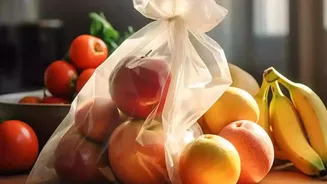
Some foods are simply better suited for travel than others. The safest options are non-perishable items that don't require refrigeration at all. Think whole fruits you can peel (like bananas and oranges), nuts, seeds, trail mix, protein bars, crackers, and jerky. If you're packing a sandwich, consider using fillings that are less prone to spoilage, such as peanut butter. For perishable items like meat, dairy, and cooked leftovers, proper temperature control is non-negotiable.
Packing Cold Foods for Success
A well-packed cooler is your best defence against the danger zone. Start with a clean, insulated cooler and bring it indoors to cool down before packing. It's best to pack it just before you leave. Use plenty of ice, freezer packs, or even frozen water bottles to keep the temperature inside below 4°C; an appliance thermometer can help you monitor this. A full cooler stays cold longer than a half-empty one, so fill any empty spaces with more ice. Pack items in reverse order of use, but always place raw meats at the very bottom in sealed, leak-proof containers to prevent their juices from contaminating other foods. Consider using a separate cooler for drinks, which tend to be opened more frequently, to help the food cooler maintain its temperature.
The Challenge of Keeping Foods Hot
Keeping food hot while travelling is more challenging than keeping it cold. The goal is to maintain a temperature of 60°C or higher. To do this, you'll need a high-quality, insulated container like a thermos or food jar. For best results, preheat the container by filling it with boiling water and letting it sit for about 10 minutes before emptying it and adding your piping hot food. Wrap the container in towels for extra insulation. A quality pre-heated thermos can keep food safely hot for 4-6 hours. Remember, these containers are designed to maintain heat, not to cook food. If the food is not steaming hot when you open it, it may have entered the danger zone.
When in Doubt, Throw It Out
This is the golden rule of food safety. Your senses of sight and smell are unreliable for detecting harmful bacteria, which often don't alter the food's appearance or odour. Attempting to reheat food that has been sitting in the danger zone for too long will not make it safe, as some bacteria produce heat-stable toxins that cooking cannot destroy. Always be realistic about how long your food will be without proper refrigeration or heating. If you're unsure how long a perishable item has been at room temperature, it's safest to discard it. The risk of a foodborne illness is never worth it.