


India's Widespread Deficiency
It’s a strange paradox: in a sun-drenched country like India, Vitamin D deficiency is rampant, affecting 70-100% of the population in some studies. Factors like an increasingly indoor lifestyle, pollution that blocks UVB rays, and cultural clothing habits
limit the skin's ability to produce this vital nutrient. While symptoms can be subtle, like fatigue and body aches, a long-term deficit can lead to serious bone-health issues like osteoporosis. This makes understanding dietary sources more important than ever, even though they are secondary to sun exposure.
Fatty Fish: A Powerful Source
Among natural food sources, fatty fish are champions of Vitamin D. Varieties commonly found in Indian coastal regions like mackerel (bangda), sardines (tarli), and hilsa (ilish) are excellent options. For instance, hilsa is one of the richest sources available in the Indian diet. Salmon (rawas) and tuna are also potent, providing a significant portion of your daily requirement in a single serving. However, the exact Vitamin D content can vary depending on whether the fish is wild-caught or farmed, and how it is prepared.
Egg Yolks: A Daily staple
For a more accessible and vegetarian-friendly (for eggetarians) option, look no further than the humble egg. The Vitamin D is concentrated almost entirely in the yolk. While the amount in a single egg yolk is much lower than in fatty fish, incorporating eggs into your daily breakfast or curries can contribute a steady and useful amount to your overall intake. They are a convenient and affordable way to give your diet a small but consistent Vitamin D boost.
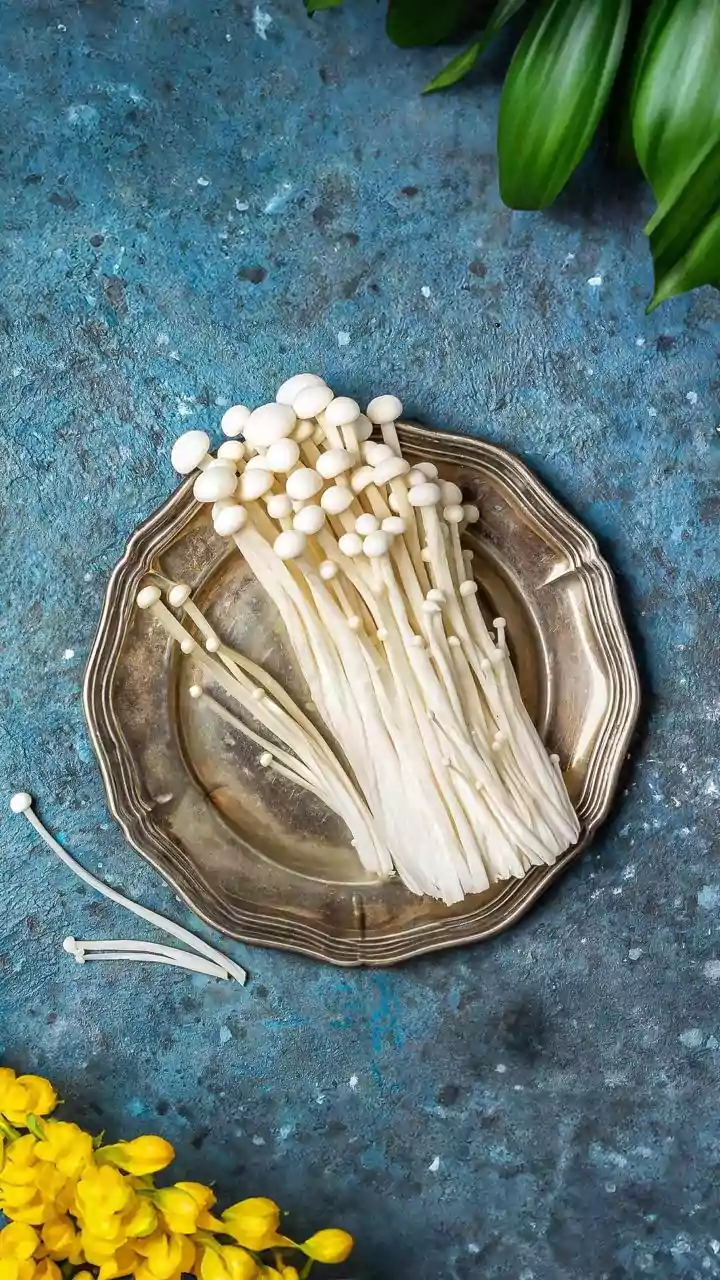
Mushrooms: The Plant-Based Wonder
Mushrooms are one of the few plant-based sources of Vitamin D. They have the unique ability to produce Vitamin D2 when exposed to ultraviolet (UV) light, much like human skin. Some varieties like shiitake and button mushrooms naturally contain it, but their levels can be significantly enhanced by exposing them to direct sunlight for a short period before cooking. While commercially available UV-exposed mushrooms are still rare in many parts of India, this simple home technique can turn a regular ingredient into a more powerful one.
Fortified Foods: A Modern Solution
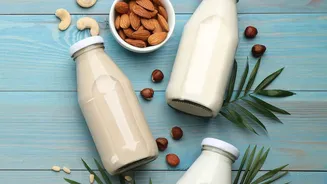
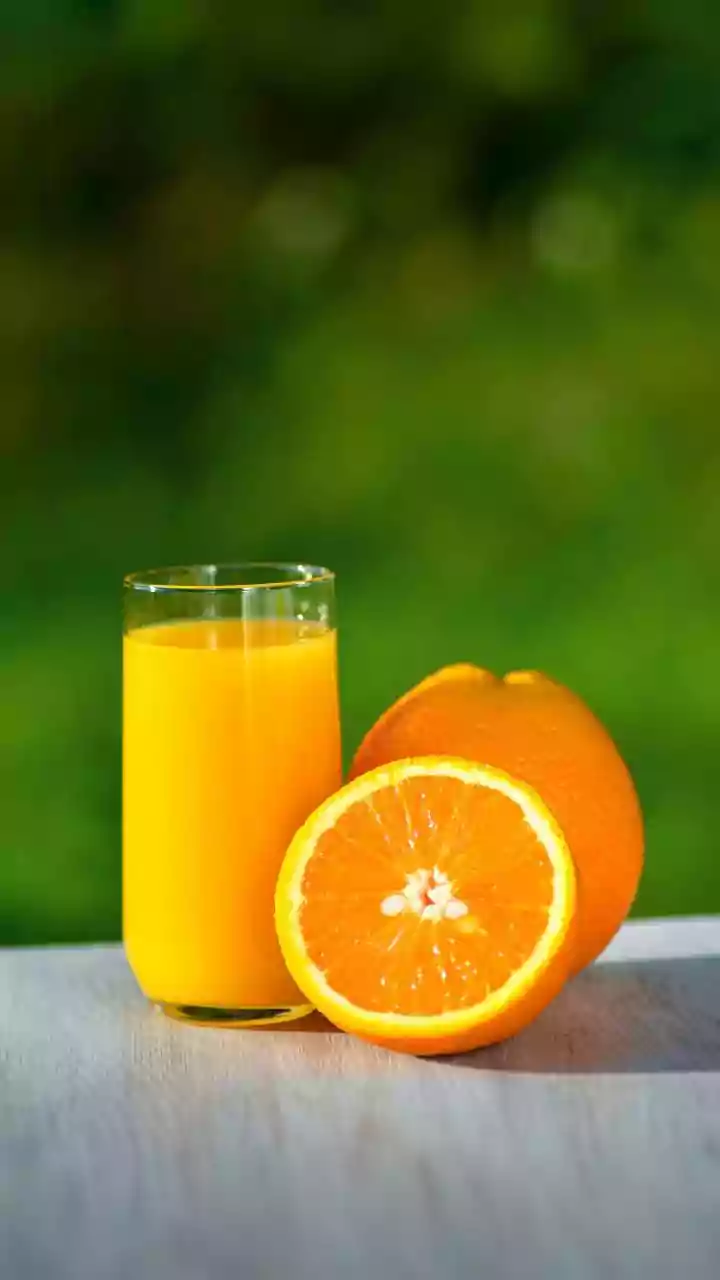
Recognising the widespread deficiency, many food products in India are now fortified with Vitamin D. This is perhaps the most reliable dietary strategy for many. Look for fortified milk, dahi (yoghurt), edible oils, and breakfast cereals. The Food Safety and Standards Authority of India (FSSAI) has set regulations for fortification, making these products a dependable source. Always check the packaging and nutritional information to ensure a product is fortified, as levels can vary between brands. Plant-based milks, like soy or almond milk, are also often fortified.
The Role of Sunlight and Supplements
It's crucial to understand that it is very difficult to meet your daily Vitamin D needs from food alone. The Indian Council of Medical Research (ICMR) recommends a daily allowance of 600 IU (International Units) for most adults. Sensible sun exposure remains the most effective way to produce Vitamin D. Aim for 15-30 minutes of midday sun (between 11 AM and 2 PM) on your arms and face a few times a week. People with darker skin tones may need longer exposure. Given the high rates of deficiency, food should be seen as a top-up to sunlight. If you suspect a deficiency, it is best to consult a doctor, who may recommend a blood test and prescribe supplements.