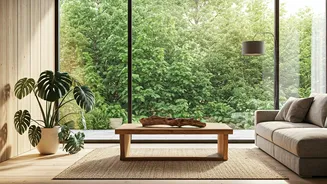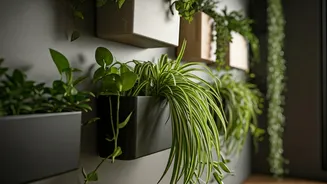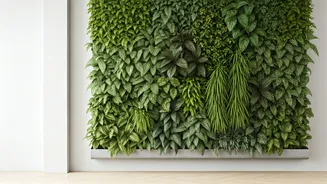



First, What Is Biophilic Design?
You’ve likely heard the term, but biophilic design is more than just buying a fiddle-leaf fig. Coined by biologist E.O. Wilson, the core idea—biophilia—is that humans have an innate tendency to seek connections with nature. In design, this translates
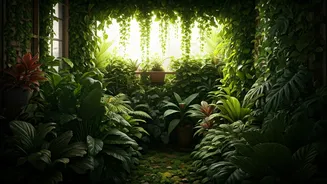
to creating spaces that integrate natural elements, materials, and patterns to improve our well-being. On a balcony, this isn’t just about cramming in as many plants as possible. It’s about creating a holistic experience. Think about mimicking a natural ecosystem with varied heights, textures, and even sounds. It’s the difference between a few sad pots and a space that genuinely feels like a retreat from the concrete and steel surrounding you.
Build Your Jungle's Foundation
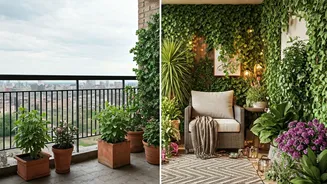
Before a single plant is purchased, consider the floor and walls. A bare concrete floor screams “utility space.” Instantly upgrade it with interlocking wood deck tiles. They’re renter-friendly, easy to install, and immediately add warmth and a natural texture underfoot. Next, address privacy and create a sense of enclosure. A simple reed or bamboo screen tied to the railing can block unsightly views and buffer wind, creating a more protected microclimate for your plants. This simple step turns your balcony from a platform into a room.
Think Vertically, Plant Strategically
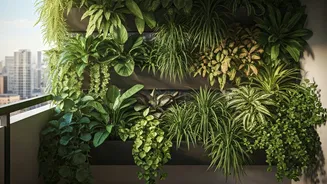
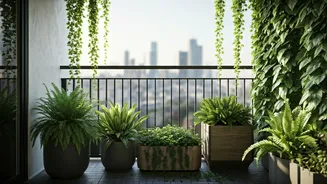
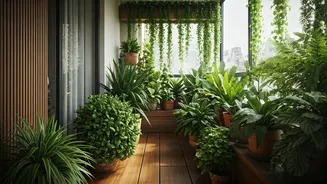
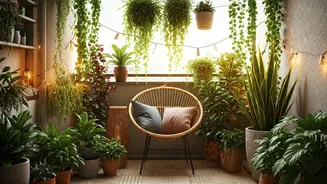
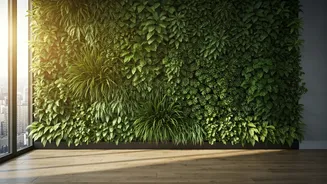
In a small space, the only way to go is up. Utilize your vertical real estate to create the lush, layered look of a jungle. Install a trellis against a wall for climbing plants like clematis or passionflower. Use railing planters for cascading plants like sweet potato vine or ‘Silver Falls’ dichondra, which will create a green curtain. Tiered plant stands and wall-mounted shelves allow you to stack smaller pots without sacrificing floor space. A few hanging baskets at different heights add depth and draw the eye upward, making the space feel larger and more immersive.
Choose Your Plant All-Stars
Not all plants are created equal, especially on a windy, sun-beaten (or shaded) balcony. Choose hardy, container-friendly varieties. For structure, consider a dwarf evergreen or a slender bamboo in a large, weighted pot. For fillers, use tough perennials like heuchera (for its colorful foliage) or coleus. For the “jungle” effect, you need spillers and climbers. Golden pothos is nearly indestructible and will happily trail, as will many varieties of ivy (just be mindful of its invasive potential). Don’t forget herbs like mint, basil, and rosemary, which add scent and are useful in the kitchen. Group plants with similar light and water needs together to make care easier.
Add the Finishing Touches
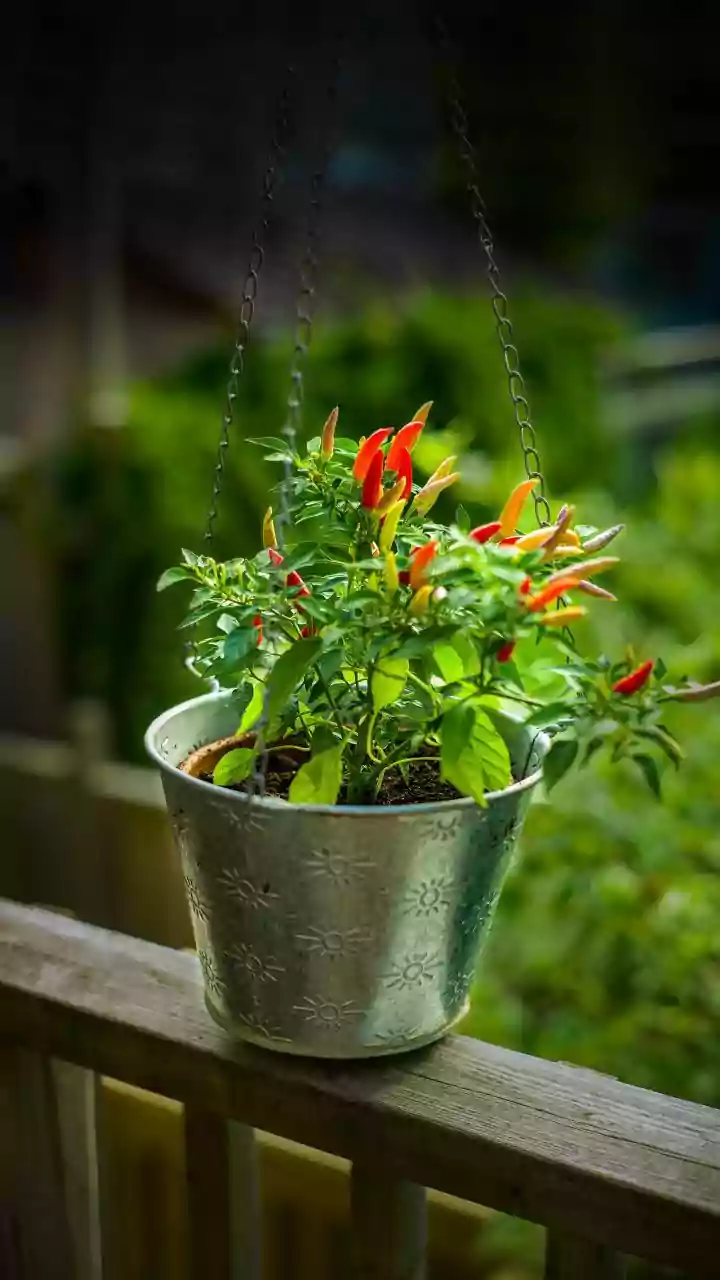
A true biophilic space engages more than just sight. Incorporate other natural elements. Use terracotta, stone, or unglazed ceramic pots instead of plastic to enhance the earthy feel. If you have the space and an outlet, a small, self-contained water feature can provide the soothing sound of bubbling water, masking city noise. Finally, make the space usable. Add a comfortable, weather-resistant chair and a tiny table for a morning coffee or an evening drink. String up some solar-powered fairy lights to create a magical ambiance after sunset. This isn’t just a collection of plants; it’s an outdoor living room.