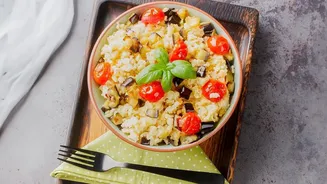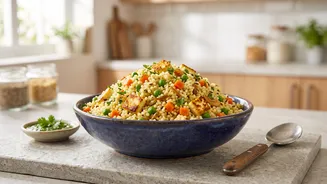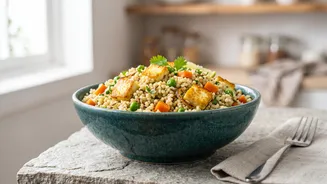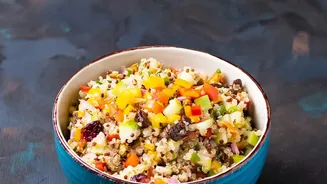



In the search for a wholesome and balanced lunch, many of us are looking beyond the usual suspects. Enter millet pulao, a delicious and nourishing dish that swaps traditional rice for an ancient grain packed with modern health benefits.
A Grain with Deep Roots in India
Long before rice
and wheat dominated Indian plates, millets were a staple food across the subcontinent. Archaeological evidence shows millets were cultivated during the Indus Valley Civilization as far back as 2500 BCE. Ancient texts, from the Vedas to Sangam literature, mention a variety of millets like ragi (finger millet), jowar (sorghum), and bajra (pearl millet) as central to regional diets. These hardy grains were perfectly suited to India's diverse climates, especially in arid regions, making them a reliable source of nutrition for centuries. However, with the Green Revolution's focus on high-yield rice and wheat, millets were gradually sidelined, becoming a less common sight in urban kitchens.
The Nutritional Comeback
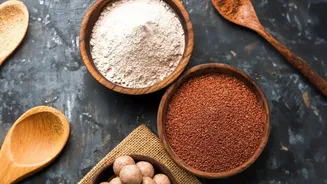
Today, millets are making a major comeback, celebrated as a 'superfood' for their impressive nutritional profile. The United Nations even declared 2023 the International Year of Millets, a move championed by India to raise awareness of their benefits. So, why the resurgence? Millets are a nutritional powerhouse, naturally rich in protein, dietary fibre, and essential minerals like iron, magnesium, and calcium. Being naturally gluten-free, they are an excellent option for those with celiac disease or gluten sensitivity. Their high fibre content promotes healthy digestion, helps regulate blood sugar levels, and provides a longer feeling of fullness, which can aid in weight management.
Millet vs. Rice: A Pulao Face-Off
When making pulao, the grain is the star. Compared to polished white rice, millets offer a significant nutritional advantage. For instance, foxtail millet contains substantially more protein and fibre than its white rice counterpart. One of the most significant differences is the glycemic index (GI), which measures how quickly a food raises blood sugar levels. Millets generally have a lower GI than white rice, making them a better choice for sustained energy release and for individuals managing diabetes. While some calorie comparisons can be confusing, when cooked, millets and rice have a similar calorie count per serving. The key difference lies in the higher fibre and protein, which makes a bowl of millet pulao more satiating than one made with white rice.
Crafting the Perfect Millet Pulao
Making a fluffy, flavourful millet pulao is simple. Foxtail millet is often recommended for pulao as its grains tend to remain separate after cooking, mimicking the texture of basmati rice. The first step is to rinse the millets thoroughly. Soaking them for at least 30 minutes is also a good practice, as it helps in better digestion and nutrient absorption. From there, the process is nearly identical to making rice pulao. Sauté whole spices like cinnamon and cloves in ghee or oil, add onions, ginger-garlic paste, and your favourite vegetables. Stir in the drained millets, add water (a 1:2 millet-to-water ratio is standard), and cook until the liquid is absorbed. Letting it rest for a few minutes before fluffing with a fork is key to getting that perfect, non-sticky texture.