
More Flavour, Less Waste
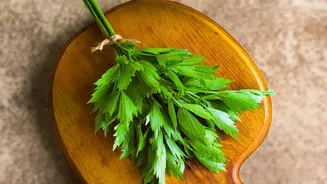
In many Indian kitchens, fresh coriander and mint are staples, used for everything from chutneys to garnishes. But while the leaves get all the attention, the stems are often discarded. This is a missed opportunity. Coriander stems, in particular, pack
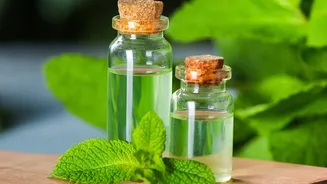
a more potent and intense flavour than the leaves. They are also rich in nutrients and offer a satisfying crunch when chopped finely. Embracing a 'root-to-stem' cooking philosophy not only helps reduce food waste, a significant issue with an estimated 30-40% of the food supply in some countries ending up in landfills, but it also unlocks new layers of flavour and stretches your ingredients further. Making an infused oil is one of the easiest ways to extract the essence of these flavourful stems before they end up in the bin.
What You Will Need
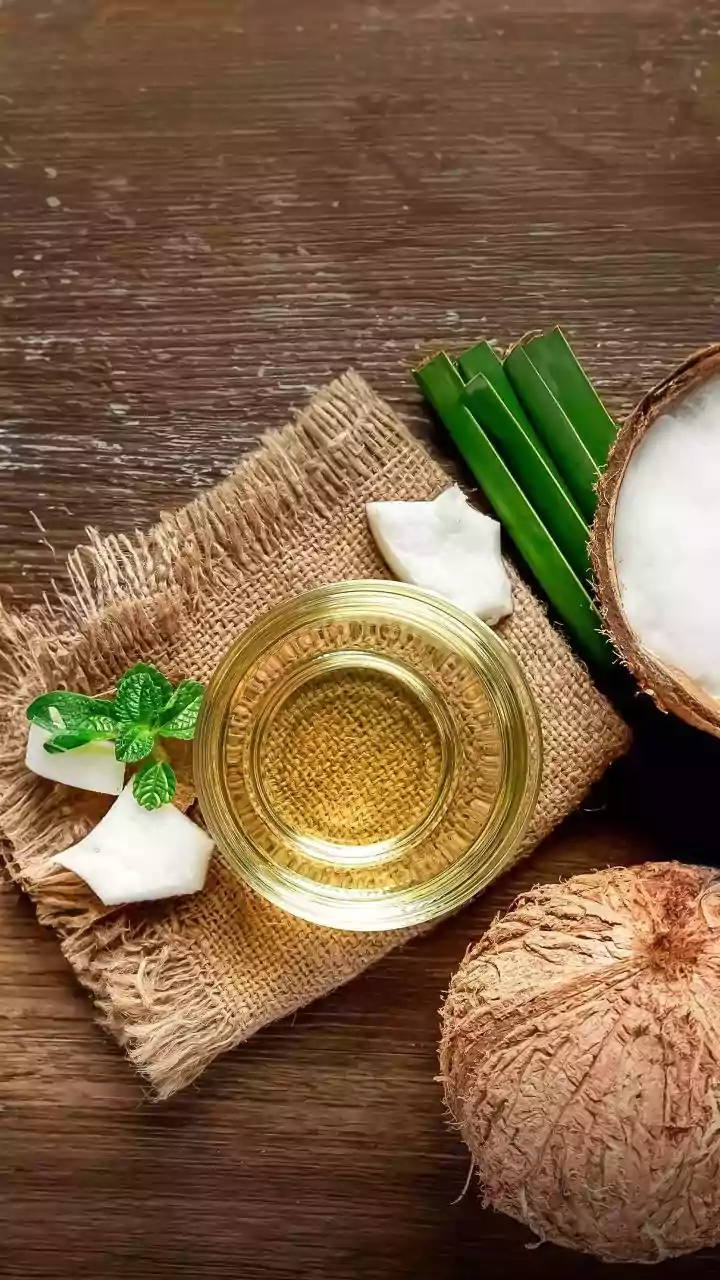
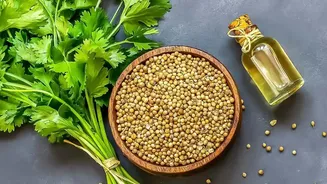
The beauty of this technique lies in its simplicity. You don't need any special equipment, just a few basic kitchen items. You'll need about a cup of fresh, clean herb stems—this can be all coriander, all mint, or a combination of both. Make sure the stems are washed and, most importantly, thoroughly dried. Water is the enemy of infused oil as it can lead to spoilage. For the oil, choose a good quality neutral-flavoured oil like grapeseed or sunflower oil, or a light olive oil. A strong extra virgin olive oil can be used, but its peppery flavour might overpower the delicate herb notes. You'll also need a small saucepan, a blender, and a fine-mesh sieve lined with cheesecloth or a coffee filter for straining.
The Step-by-Step Infusion Process
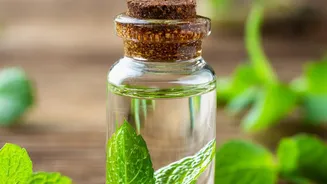
Creating your vibrant green oil is a quick and rewarding process. First, give the dry stems a rough chop. Next, you'll want to gently blanch the herbs. Bring a small pot of salted water to a boil, add the chopped stems, and cook for just 10-15 seconds until they turn bright green. Immediately transfer them to an ice bath to stop the cooking process and lock in that beautiful colour. Once cooled, squeeze out as much water as possible and pat them completely dry with a clean towel. Combine the blanched stems and about a cup of your chosen oil in a blender. Blend on high speed until the mixture is as smooth as possible. Now for the final step: patience. Pour the blended mixture into your cheesecloth-lined sieve set over a bowl and let it drip through naturally. This can take an hour or two. Do not press or squeeze the solids, as this will make your oil cloudy. The result is a clear, brilliantly green, and intensely aromatic oil.
Beyond Mint and Coriander
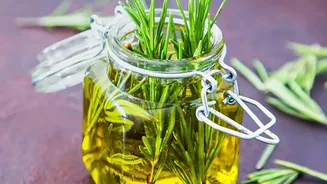
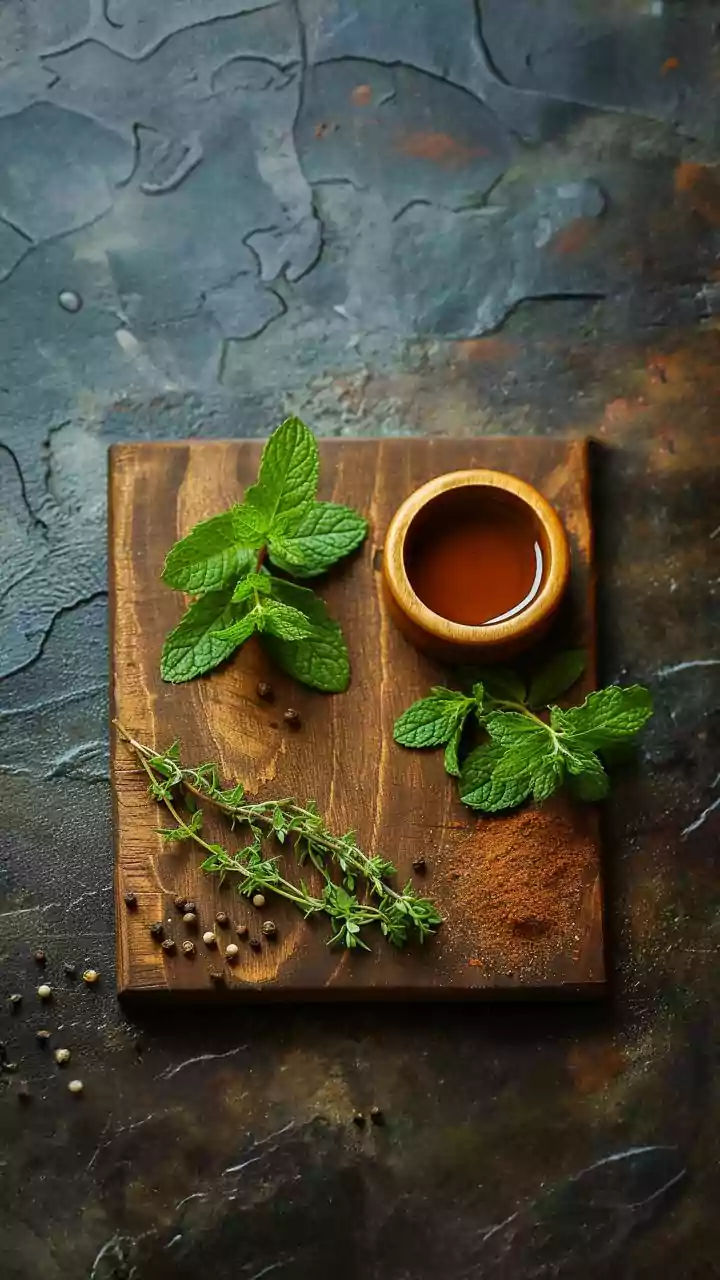
This technique isn't limited to just mint and coriander. It works wonderfully with any soft-stemmed herbs. Think of parsley, dill, or basil stems, which are often leftover from making pesto or salads. You can create single-herb oils or experiment with your own custom blends. For a different flavour profile, you can also infuse woody herb stems like rosemary or thyme. For these tougher stems, a warm infusion works best: simply warm the oil gently in a saucepan, add the stems, turn off the heat, and let it steep for several hours or overnight before straining. You can also add other aromatics like a crushed garlic clove, a few peppercorns, or a slice of chilli to your infusion for an extra layer of flavour.
How to Use Your Herb Oil
This versatile herb oil can be used in countless ways to add a final flourish of fresh flavour to your dishes. Drizzle it over soups, dal, or curries just before serving. Use it as a base for a vibrant salad dressing or vinaigrette. It's perfect for tossing with roasted vegetables, finishing pasta dishes, or spooning over grilled chicken, fish, or paneer. You can even use it for dipping crusty bread or as an elegant garnish to make your plates look chef-made. The intense, fresh flavour provides a beautiful contrast and brightens up any meal.
Proper Storage for Lasting Freshness
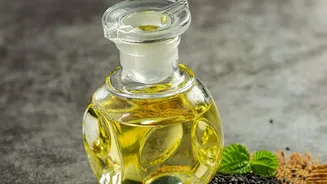
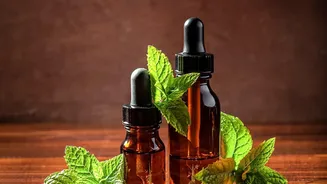
To keep your homemade herb oil fresh and flavourful, store it in a clean, airtight glass bottle or jar. It's best to keep it in the refrigerator to preserve its vibrant colour and prevent the oil from going rancid. The cold may cause the oil to solidify or become cloudy, but it will return to its liquid state after a few minutes at room temperature. Properly stored in the fridge, your herb oil should last for up to a month, giving you plenty of time to enjoy your delicious, zero-waste creation.