







The Allure of the Familiar Café
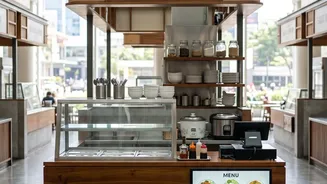
There's no shame in seeking comfort. After a long day of travel, the clean, predictable environment of a global coffee chain can feel like a sanctuary. The menu is in English, the Wi-Fi is reliable, and you know exactly what your cappuccino will taste
like. It’s a safe, sterile, and standardized experience, designed to be the same whether you’re in Mumbai or Mexico. This consistency is its greatest strength, offering a risk-free transaction that provides a moment of cool, caffeinated respite before you step back out into the unfamiliar. It’s a space that requires nothing of you but your money, offering a taste of home when you’re far from it. But in that predictable comfort, an opportunity is lost—the chance to experience something truly local.
What Exactly Is a Warung?
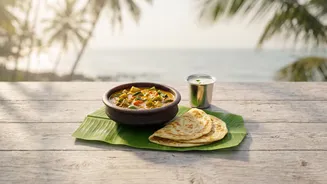
A warung is the heart of Indonesian culinary life. The term describes a small, family-owned business, which could be a tiny shop or, more commonly, a simple eatery. These are not restaurants in the Western sense; they are often extensions of a family’s home, with plastic stools, shared wooden benches, and an atmosphere that feels like you've been invited in for a home-cooked meal. Run by generations of the same family, warungs are where local recipes are treated like precious heirlooms. Some specialise in a single iconic dish, like Balinese roast pork ('babi guling'), while others feature a buffet-style spread ('nasi campur') where you point at what you’d like on your plate. They are unpretentious, affordable, and deeply woven into the fabric of the community.
A Taste of True Authenticity
The word 'authentic' is overused in travel, but at a warung, it finds its true meaning. The food isn't designed by a corporate test kitchen; it's cooked from family recipes passed down through generations. Ingredients are often sourced from nearby markets that very morning, resulting in flavours that are fresh, vibrant, and intensely local. Your meal—be it a spicy beef rendang, a fragrant chicken soup ('soto ayam'), or simple fried noodles ('mie goreng')—is prepared with care, not mass-produced. It's an honest expression of the local palate, often spicy and always packed with flavour. This is food with a story, a connection to place that you simply cannot find in a chain café’s shrink-wrapped sandwich.
More Than Just a Meal
Choosing a warung over a café isn't just a culinary decision; it's an experiential one. Dining at a warung is an immersion in local culture. It’s about the friendly chaos, the shared tables where you might sit next to a fisherman or an office worker, and the genuine hospitality that transcends language barriers. The money you spend doesn't go to a distant corporate headquarters; it directly supports the family who cooked your meal and the local economy. Studies show that independent eateries recirculate a much larger portion of their revenue back into the local community compared to chains. This simple act of choosing where to eat becomes a meaningful way to connect with and contribute to the place you are visiting.
How to Find the Best Warungs
Finding a great warung is part of the adventure. The first rule is to look for the locals. A crowd of residents is the most reliable sign of good, safe, and delicious food. Don't be deterred by a simple appearance; some of the best meals come from the most unassuming shacks. Often, the menu will be small, a sign that the kitchen focuses on doing a few things exceptionally well. If you see the food displayed in a glass case, look for high turnover—a busy lunch rush means everything is fresh. Be prepared for a bit of spice, and don't hesitate to ask for less 'sambal' (chilli paste) if you're sensitive to heat. Embrace the experience with an open mind, a smile, and a hearty appetite.