








Beyond Simple Alarms
The daily planner, whether a leather-bound book or a digital app, has traditionally been a passive tool. You tell it what to do, and it reminds you. But a new generation of AI-powered tools is flipping that script. [4, 6] Instead of just logging tasks,
these systems are designed to understand them. They analyze your goals, habits, and even your energy levels to create a dynamic, optimized schedule. [20, 25] This isn't just about setting an alarm for a meeting; it's about an AI assistant that automatically finds the best time for that meeting based on everyone's availability, priorities, and even their peak productivity hours. [18, 9] The goal is to move from 'task management' to 'time orchestration'. [16]
What an AI-Powered Day Looks Like
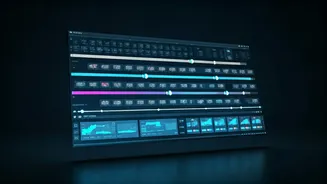
Imagine this: You add “finish project proposal” to your to-do list. Instead of you needing to block out time, your AI assistant analyzes the project's complexity, breaks it down into smaller, actionable steps, and then finds open slots in your calendar to dedicate to each step. [4, 21] It sees you have a string of meetings in the afternoon and schedules a block of deep work for the proposal in the morning, when it knows you're most focused. [18] A last-minute meeting pops up? The AI automatically reshuffles your tasks, ensuring the most critical deadlines are still met without you having to manually drag and drop calendar events. [11] It can even suggest when to take breaks to avoid burnout and improve your work-life balance. [1, 13]
The Promise of Hyper-Productivity
The primary benefit of this AI layer is a massive boost in efficiency. [13] By automating the repetitive, administrative parts of planning—scheduling, prioritizing, and reorganizing—these tools free up significant mental energy and time. [1, 19] Users can focus on higher-value work instead of getting bogged down in the “work about work”. [18] These systems can also improve decision-making by offering data-driven insights into your own work patterns. [2] They can identify your most productive hours, help you set more realistic goals, and ensure your daily activities align with your long-term objectives. [23] The result is not just doing more tasks, but doing the right tasks at the right time.
The Hidden Costs of Automation
However, handing over the reins of your schedule to an algorithm is not without its concerns. A major drawback is the potential for over-reliance, which could weaken our own critical thinking and decision-making skills over time. [8, 19] If you never have to manually juggle priorities or recover from a disrupted schedule, you may lose the ability to do so. [3] There are also significant privacy implications. For an AI to effectively manage your day, it needs access to a vast amount of personal data—your calendar, emails, and maybe even biometric data from a wearable device to gauge your energy levels. [20] This raises valid concerns about data security and how this information could be used. Finally, the complexity and cost of some of these advanced AI tools can be a barrier for many. [3]
From Assistant to Partner
The evolution of AI in planning marks a fundamental shift in our relationship with technology. Your planner is no longer just a digital notebook but an intelligent partner designed to help you make the most of your time. [24] Tools like Motion, Reclaim.ai, and Akiflow are already pioneering this space, turning to-do lists into fully optimized schedules. [4, 14] Some even integrate with wearable tech to schedule demanding tasks when you have the most physical and mental energy. [17, 20] While a fully autonomous AI life planner may still be in the future, the building blocks are already here and changing how we approach our daily routines. [12]