






The Soggy Batter Mystery
It's a frustratingly common scenario in Indian kitchens, especially during the monsoon season. You prepare a thick, flavourful batter for bhajiyas or pakoras, adding freshly chopped coriander, mint, or other herbs. You turn to heat the oil, and when you
look back, the batter has lost its consistency, becoming thin and runny. This often leads to fritters that are limp, absorb too much oil, and lack that satisfying crunch. Many cooks blame the gram flour (besan) or the humidity in the air, but a significant and often overlooked factor is how the herbs were stored.
Meet the Hidden Moisture Bomb
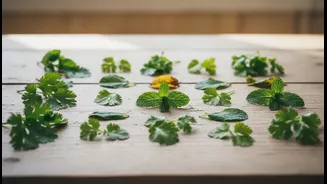
Fresh herbs like coriander (dhania) and mint (pudina) are delicate and have a high water content. When stored in a refrigerator—an environment that is surprisingly humid—without any protective wrapping, they act like tiny sponges. They absorb excess moisture from the air around them. So, the bunch of coriander you bought a day or two ago might look fresh, but it could be secretly waterlogged, waiting to sabotage your cooking. When you chop these super-hydrated herbs and add them to your batter, you are introducing a significant amount of hidden water.
The Science of a Ruined Pakora
The real trouble begins when these damp herbs meet the salt in your batter. This triggers a scientific process called osmosis. Salt has a powerful ability to draw water out of cells. When the salt from your seasoned batter comes into contact with the herb leaves, it aggressively pulls the excess water out of the herb's cells and into the batter. This process happens remarkably quickly, transforming a perfectly thick mixture into a watery disappointment in minutes. A thinner batter cannot cling properly to vegetables, spreads too much in the hot oil, and results in flat, oily, and soggy fritters instead of light, crispy ones.
The Magic of a Simple Wrap
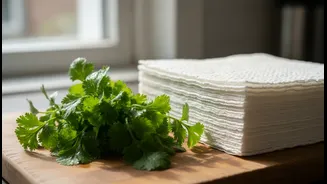
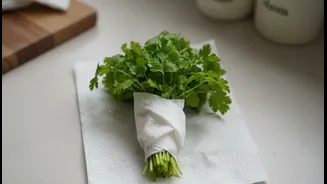
This is where proper storage becomes your secret weapon. Wrapping your herbs before refrigerating them is not just about keeping them from wilting; it's about moisture control. A simple paper towel or a muslin cloth acts as a crucial barrier. It absorbs any excess surface moisture from the herbs themselves while also protecting them from the high humidity inside the fridge. This prevents them from becoming waterlogged. By keeping the herbs dry, you ensure they add only flavour and aroma to your batter, not unwanted liquid. This single, simple step preserves the integrity of both your herbs and your final dish.
Your Ultimate Herb Storage Guide
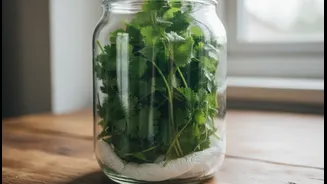
To ensure your herbs are always ready for your recipes, follow these simple storage tips. For soft herbs like coriander, mint, and parsley, the best method is to first pat them completely dry. Do not wash them until you are ready to use them. Gently wrap the dry bunch in a paper towel, which will absorb any residual moisture. Place this wrapped bundle inside a zip-top bag or an airtight container and store it in the crisper drawer of your fridge. Some people have success treating them like a bouquet—trimming the stems and placing them in a jar with a little water, loosely covering the top—but for use in dry batters, the paper towel method is often more reliable to prevent excess water. By taking a minute to store your herbs correctly, you guarantee that your rainy-day pakoras will be perfectly crisp every single time.