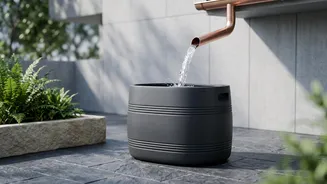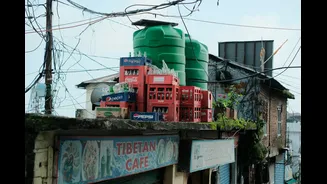






In India's metro cities, we face two extremes: summer water shortages and monsoon waterlogging. A simple, affordable technology offers a way to bridge this gap: the sediment filter for rainwater harvesting.
Your First Line of Defence
A rainwater harvesting system captures the rain that
falls on your roof and stores it for later use. A sediment filter is the system’s gatekeeper. As rainwater flows from your roof through pipes, it picks up dirt, leaves, grit, and bird droppings. The sediment filter, a screen-like device installed in the pipeline, physically blocks these coarse impurities from entering your storage tank. This simple step is crucial—it prevents pipe and tank blockages, improves the quality of the stored water, and protects downstream equipment like pumps.
Breaking Down the Cost
The word 'affordable' is key. Basic, effective sediment filters for residential use in India can start from as low as ₹2,950, with many robust models available in the ₹5,000 to ₹10,000 range. More advanced systems with higher capacity or self-cleaning features may cost more. When you consider the long-term savings on your water bills and the reduced reliance on municipal or tanker water, this one-time investment quickly pays for itself. It’s a small price for greater water security.
Safe Water for Everyday Chores
It's vital to understand what 'non-potable' means. Water passed through a sediment filter is not safe for drinking, cooking, or bathing without further, more intensive purification. However, it is perfectly safe and suitable for a wide range of other household needs. This includes flushing toilets—which can account for a significant portion of indoor water use—washing cars, cleaning floors and balconies, and watering your garden. Plants often thrive on rainwater as it is naturally soft and free from the chemicals found in treated tap water.
Choosing the Right Filter
When selecting a filter, consider your rooftop area, the average rainfall in your city, and the size of your storage tank. Filters come with specifications for the roof area they can handle (e.g., up to 1,500 sq ft, 2,700 sq ft). Most models are designed for easy installation into existing or new piping with standard PVC pipe sizes. Look for filters with stainless steel mesh for durability and corrosion resistance. Some advanced models even feature 'first flush' systems, which automatically discard the first few minutes of rainfall that typically contains the most contaminants from the roof.
Simple Maintenance for a Long Life
A sediment filter's effectiveness depends on regular, simple maintenance. The filter cartridge or screen needs to be cleaned periodically to remove the trapped debris. During the monsoon, it’s a good practice to check and clean it after every few significant rain events. For most filters, this is a simple task of removing the filter element and rinsing it thoroughly under a tap before placing it back. A clean filter ensures a good flow rate and high-quality water entering your tank, maximizing the efficiency of your entire rainwater harvesting system.