




Day 1: Mumbai’s Colonial Grandeur
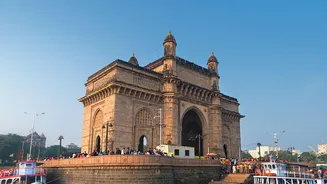
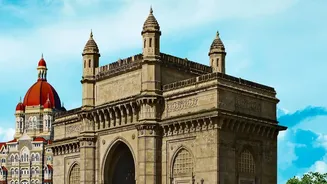
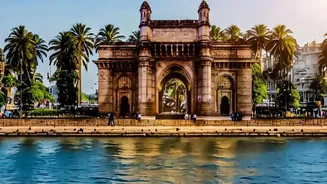
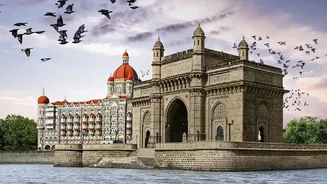
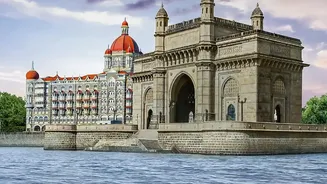
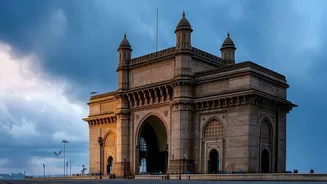
Begin your historical journey in the heart of South Mumbai, a district brimming with architectural marvels from the British Raj. Start at the iconic Gateway of India, a majestic arch built to commemorate the 1911 royal visit of King George V. Standing
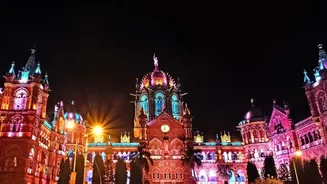
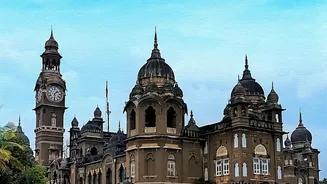
opposite is the grand Taj Mahal Palace hotel, an icon of Indian entrepreneurship from 1903. From there, a short taxi ride will take you to the Chhatrapati Shivaji Maharaj Terminus, a UNESCO World Heritage site. Formerly known as Victoria Terminus, this sprawling railway station is a breathtaking example of Victorian Gothic architecture, blending Indian and British styles. Spend the rest of your day exploring the Fort area, admiring heritage buildings like the Bombay High Court and the Rajabai Clock Tower, which was inspired by London's Big Ben.
Day 2: Island Caves and an Evening Journey
Today, you will take a short journey back in time. Head to the Gateway of India to catch a ferry to Elephanta Island. The one-hour boat ride across Mumbai Harbour offers stunning views of the city skyline. The island is home to the Elephanta Caves, another UNESCO World Heritage site, featuring a network of rock-cut temples dedicated to Lord Shiva, carved between the 5th and 7th centuries. The main cave houses the famous Trimurti sculpture, a magnificent 20-foot-tall, three-faced representation of Shiva. After exploring the caves, return to the mainland. In the evening, make your way to Aurangabad. You can take an overnight train, which takes about 6-7 hours, or a short one-hour flight to maximize your time.
Day 3: The Mughal Echoes of Aurangabad
After arriving and settling in Aurangabad, your first stop is the Bibi Ka Maqbara. Commissioned by the Mughal prince Azam Shah in memory of his mother, Dilras Banu Begum, it is often called the 'Taj of the Deccan' due to its striking resemblance to the Taj Mahal. While it doesn't match the scale of the original, its elegant design and marble dome make it a beautiful sight. A short distance away is Panchakki, an ingenious water mill complex from the 17th century. This feat of medieval engineering was designed to use water channelled from a distant spring to power a large mill for grinding grain for the community and pilgrims. It stands as a testament to the scientific innovation of the period.
Day 4: Ellora’s Rock-Cut Wonders and a Mighty Fort
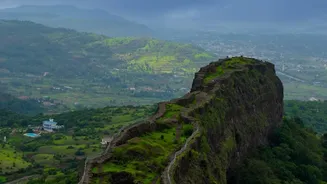
Prepare for a day of awe-inspiring architecture. A 45-minute drive from Aurangabad brings you to the Ellora Caves, a monumental complex of 34 rock-cut monasteries and temples. A UNESCO World Heritage site, Ellora is unique because it features carvings from three different religions—Hinduism, Buddhism, and Jainism—created over 600 years. The undisputed masterpiece is Cave 16, the Kailasa Temple, an enormous structure carved from a single rock. On your way back to Aurangabad, stop at the Daulatabad Fort, a formidable medieval fortress perched on a conical hill. Originally known as Devagiri, its ingenious defensive structures, including a labyrinthine passage known as the 'Bhulbhulaiya', made it one of the most impregnable forts of its time.
Day 5: The Ancient Paintings of Ajanta
On your final day, embark on a trip to the Ajanta Caves, another UNESCO World Heritage site located about two to three hours from Aurangabad. Unlike Ellora's focus on sculpture, Ajanta is world-renowned for its incredibly preserved mural paintings. These 30 rock-cut Buddhist caves were carved in two phases, with the earliest dating back to the 2nd century BC. The vibrant paintings depict scenes from the life of Buddha and Jataka tales, offering a vivid glimpse into ancient Indian life and art. You will need around three to four hours to explore the main caves. After your visit, you can drive back to Aurangabad to catch an evening flight or train, concluding your whirlwind historical tour of Maharashtra.