





A New Space Race Begins at Home
India's space program, long dominated by the state-run Indian Space Research Organisation (ISRO), has entered a transformative era. Following landmark policy reforms in 2020, the government officially opened the space sector to private participation.
This strategic shift is designed to expand India's share in the global space economy, which is projected to grow from around $8.4 billion in 2023 to over $40 billion by 2033. To manage this transition, the government established the Indian National Space Promotion and Authorisation Centre (IN-SPACe) as a single-window agency. IN-SPACe's role is to facilitate, authorise, and supervise the activities of private players, enabling them to use ISRO's facilities and expertise. This move allows ISRO to focus on advanced research and strategic missions like human spaceflight, while private firms handle more routine manufacturing and commercial launches.
The Rocket Builders
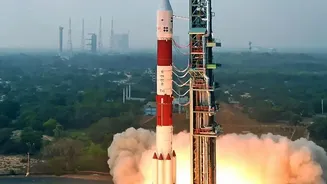
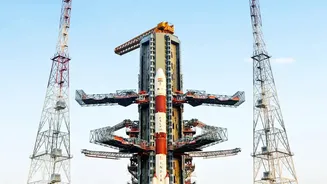
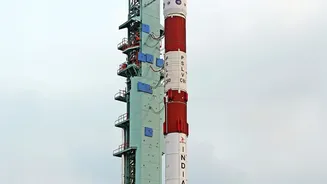
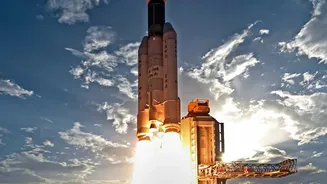
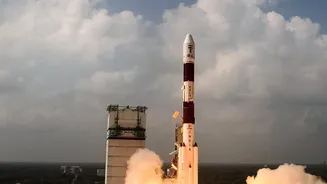
At the forefront of this change are ambitious startups building launch vehicles from the ground up. Hyderabad-based Skyroot Aerospace made history in July 2026 by successfully launching Vikram-1, India's first privately developed orbital rocket. This achievement made India only the third country, after the US and China, with a private company capable of orbital launches. Another key player is Agnikul Cosmos, incubated at IIT Madras. The company is known for its 3D-printed, semi-cryogenic engines and conducted a successful sub-orbital test flight of its Agnibaan rocket in May 2024 from its own private launchpad. Agnikul is now preparing for reusable launch missions, a critical step towards reducing launch costs. These companies are not just building hardware; they are creating a domestic capability for on-demand satellite launches.
Satellites and Data on Demand
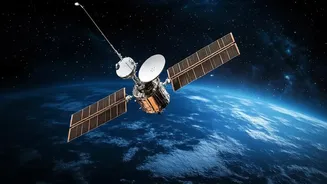
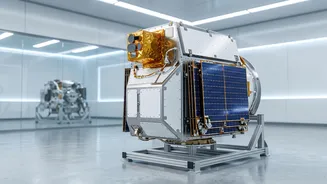
Beyond launch vehicles, a vibrant satellite manufacturing and services ecosystem is also emerging. Pixxel is a standout name, building a constellation of hyperspectral imaging satellites. These satellites can see the Earth in hundreds of wavelengths of light, providing data that can detect crop diseases, monitor pollution, and identify illegal mining. The company has already launched several demonstration satellites and is preparing for a larger commercial constellation. Meanwhile, Dhruva Space is pioneering a 'satellite-as-a-service' model. Instead of building their own spacecraft, clients can place their payloads—like sensors or cameras—on Dhruva's standardised satellite platforms, drastically lowering the barrier to entry for accessing space. The company also offers ground station services, providing end-to-end solutions for space missions.
A Symbiotic Partnership with ISRO
The privatisation of India's space sector is not a handover but a partnership. ISRO has actively embraced a new role as a mentor and enabler. The agency has transferred technologies to private firms and opened its world-class testing facilities for their use. NewSpace India Limited (NSIL), ISRO's commercial arm established in 2019, plays a crucial role by procuring launch vehicles from industry and marketing launch services globally. This model creates a symbiotic relationship: private companies gain access to decades of accumulated expertise, while ISRO gets a robust industrial ecosystem to support its ambitious goals. This collaboration allows ISRO to offload routine production and focus its resources on pioneering research, deep space exploration, and national security missions.