








The Reality of Monsoon Rail Travel
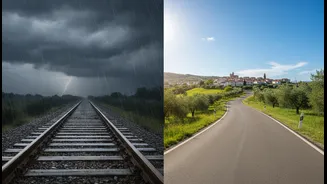
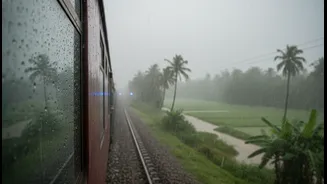
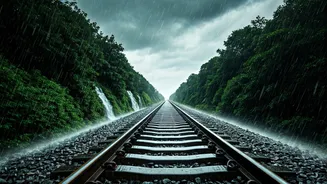
The Indian monsoon, while beautiful, poses significant challenges to the country's vast railway network. Heavy rainfall can lead to waterlogging on tracks, especially in low-lying urban and coastal areas. In hilly regions like the Western Ghats, the risk
of landslides increases, which can block tracks and cause severe disruptions. For instance, the popular Mumbai-Pune route frequently faces suspensions due to landslips in the ghat sections between Karjat and Lonavala. Similarly, the Konkan Railway, famous for its scenic coastal journey, operates on a special monsoon timetable with reduced speeds to ensure safety. These factors combined mean that delays aren't just possible; they're probable.
Before You Go: Pre-Travel Checklist
A smooth journey starts before you even book your ticket. First, closely monitor weather forecasts for your origin, destination, and the route in between. The India Meteorological Department (IMD) provides regular updates that can help you anticipate heavy rainfall. Next, check for official announcements from Indian Railways. Zonal railways like Konkan, Western, and Central Railway often issue press releases about monsoon preparedness, special timetables, or potential disruptions. Use the National Train Enquiry System (NTES) app or website to check the live status of your train and its schedule. This is crucial, as monsoon timetables can alter departure times and add hours to your journey. Finally, have a rough idea of alternative transport options, just in case.
Your Monsoon Travel Toolkit
Packing smart can make a huge difference if you find yourself delayed. Waterproofing is key. Use waterproof bags or rain covers for your luggage to keep your belongings dry. Pack essentials like electronics, documents, and medications in separate zip-lock bags. A lightweight raincoat and non-slip, waterproof footwear are non-negotiable for navigating slippery platforms. Given that delays can be long, a power bank is a lifesaver for keeping your phone charged. It's also wise to pack some non-perishable snacks and a water bottle, as pantry car services can be disrupted and platform vendors may be unavailable during heavy rain.
When Your Train is Delayed or Cancelled
If you receive news that your train is significantly delayed or cancelled, it's time to activate Plan B. Inter-city buses, including state transport and private operators, are a common alternative. They often run on highways that may be less affected than rail lines, though they too can face delays from traffic or road conditions. For longer distances or if time is a constraint, check for last-minute flights. Air travel is generally reliable during the monsoon, though severe weather can cause airport delays. Ride-sharing apps and private taxis are another option, especially if you're travelling in a group and can split the cost. If your train is delayed by more than three hours, you are entitled to a full refund, which you can claim by filing a Ticket Deposit Receipt (TDR) on the IRCTC website.
Embracing the Backup Plan
Sometimes, the best backup plan is a different destination altogether. If your primary choice of a weekend getaway, like Lonavala or Matheran, is facing severe travel warnings, consider a location that is more accessible. Places like Alibaug, Igatpuri, or even a staycation within your city can offer a relaxing break without the stress of uncertain travel. The key is flexibility. The goal of a weekend trip is to de-stress, and battling a travel disruption can do the opposite. Being open to changing your plans can turn a potential travel nightmare into an unexpected adventure.