







The Science of Your Scalp
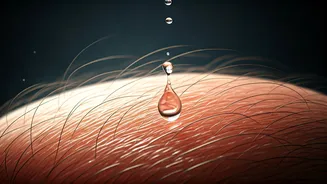
First, let's understand the basics. Your scalp is covered in sebaceous glands that produce a natural oil called sebum. This oil is not your enemy; it’s essential for keeping your scalp moisturised and your hair protected and shiny. In a balanced environment,
sebum production is a well-regulated process. However, various factors—including hormones, diet, and climate—can send these glands into overdrive, leading to that all-too-familiar greasy feeling. Think of your scalp as a delicate ecosystem. When conditions are ideal, it thrives. When external factors disrupt it, things can get a little out of control.
How Humidity Triggers Oiliness
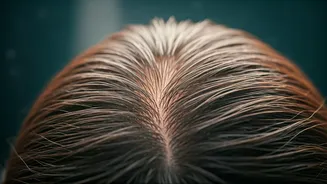
The monsoon season brings with it a dramatic spike in humidity. This excess moisture in the air has a dual effect on your hair and scalp. Firstly, the humid air can swell the hair shaft, causing it to become frizzy and unmanageable. In response, your sebaceous glands may overcompensate by producing more sebum to try and 'tame' the hair and protect the scalp. Secondly, the high moisture content in the atmosphere prevents the sweat and oil on your scalp from evaporating easily. This traps the sebum, dirt, and sweat, creating a sticky, greasy layer that makes your hair feel flat and dirty, even if you’ve just washed it. This build-up can also clog hair follicles, potentially leading to other issues like dandruff and hair fall.
Resist the Urge to Over-Wash
When your hair feels oily, the first instinct is to wash it more frequently. However, this can be counterproductive. Washing your hair too often with harsh, sulphate-based shampoos strips your scalp of its natural oils. In response, your sebaceous glands panic and produce even more oil to compensate for the dryness. This creates a vicious cycle of oiliness and washing. Instead of daily aggressive washing, try to stick to a schedule of washing your hair every two or three days. If you must wash daily, opt for a very gentle, sulphate-free shampoo that cleanses without stripping.
Choose Your Cleanser Wisely
Not all shampoos are created equal, especially during the monsoon. Look for clarifying or balancing shampoos designed for oily scalps. Ingredients like salicylic acid, tea tree oil, or charcoal can be excellent for controlling excess oil and removing product build-up without being overly harsh. It can also be beneficial to double-cleanse your scalp once a week. The first wash breaks down the oil and grime, while the second wash ensures a deep clean. This method helps keep your scalp feeling fresher for longer.
Rethink Your Conditioner Routine
Conditioner is crucial for keeping your hair smooth and preventing breakage, but applying it incorrectly can weigh your hair down. During the monsoon, avoid applying conditioner to your scalp at all costs. Concentrate the product only on the mid-lengths and ends of your hair, which are the parts that actually need the extra moisture. Applying it near the roots will only add to the greasy feeling. You might also consider switching to a lightweight, gel-based conditioner instead of a heavy, creamy one for the season.
Embrace Scalp-Soothing Home Remedies
A few simple home remedies can help regulate oil production and soothe your scalp. A rinse with diluted apple cider vinegar (one part ACV to four parts water) after shampooing can help balance your scalp's pH and remove build-up. Similarly, applying a mask of multani mitti (Fuller's earth) and rose water can absorb excess oil and impurities. Another great option is a green tea rinse. Brew a cup of green tea, let it cool completely, and use it as a final rinse after conditioning. The tannins in green tea are known to help shrink pores and reduce sebum production.
Dry Shampoo and Other Styling Tricks
For days when you’re short on time or in between washes, dry shampoo is your best friend. A quick spray at the roots can absorb excess oil and add volume, instantly refreshing your hair. However, don't rely on it too heavily, as it can also contribute to build-up if not washed out properly. Also, try to minimise touching your hair throughout the day. Your fingertips transfer oils and dirt to your strands, making them greasier faster. Opt for loose hairstyles like a high ponytail or a bun to keep hair off your face and neck.