






First, What Is the Skin Barrier?
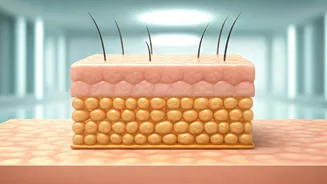
Think of your skin barrier as a tiny, invisible shield. It's the outermost layer of your skin, scientifically known as the stratum corneum. A helpful analogy is a brick wall: the skin cells are the 'bricks' and the lipids (natural fats) are the 'mortar'
holding them together. This wall has two crucial jobs: it keeps good things (like water) in, ensuring your skin stays hydrated and plump, and it keeps bad things (like pollutants, bacteria, and irritants) out. When this barrier is healthy, your skin looks and feels smooth, calm, and resilient. When it's compromised, it can lead to dryness, sensitivity, redness, and breakouts.
Humidity’s Deceptive Effect
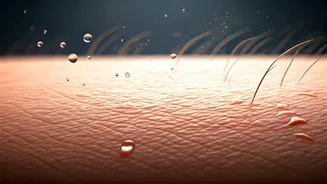
You might think the humid monsoon air is great for hydration. Initially, it can be. The high moisture content in the air can reduce water loss from your skin, making it feel plump. However, prolonged exposure to high humidity can be a double-edged sword. It can cause your skin cells to swell, disrupting the tight, organised structure of your skin barrier. Furthermore, for those with oily or combination skin, the humidity signals the sebaceous glands to go into overdrive, leading to excess oil production. This creates a sticky, greasy feeling and can clog pores, making your skin a perfect breeding ground for acne-causing bacteria.
Rain Isn't Just Water
The rain that falls, especially in urban areas, isn’t pure H2O. It washes pollutants, dust, and grime out of the atmosphere and deposits them directly onto your skin. These environmental aggressors generate free radicals, unstable molecules that cause oxidative stress. This process breaks down collagen, triggers inflammation, and directly assaults the lipid 'mortar' in your skin barrier. Over time, this constant exposure weakens your skin's natural defences, leaving it vulnerable to irritation and premature ageing. So, that refreshing feeling of rain on your face might come with unseen consequences.
The Urge to Over-Cleanse
When your skin feels oily, sticky, and grimy, the first instinct is often to wash your face repeatedly with a strong, foaming cleanser. While this provides temporary relief, it’s one of the fastest ways to damage your skin barrier. Harsh cleansers and excessive washing strip away not just the dirt and excess oil, but also the essential lipids that hold your barrier together. This disruption creates tiny cracks in your skin's 'brick wall,' allowing moisture to escape and irritants to get in, leading to a vicious cycle of dryness, sensitivity, and even more oil production as your skin tries to compensate.
Your Monsoon Skin Barrier Rescue Plan
Protecting your skin doesn't mean hiding from the rain. It's about making smart, simple adjustments to your routine. - **Cleanse Gently:** Swap your harsh, stripping cleanser for a gentle, pH-balanced, non-foaming one. Cleanse twice a day, but no more. If you get caught in the rain, rinse your face with plain water and pat dry. - **Don't Skip Moisturiser:** It's a common myth that oily skin doesn't need moisturiser in humid weather. Your skin needs hydration, even when the air is damp. Opt for a lightweight, non-comedogenic, gel-based moisturiser to lock in hydration without clogging pores. - **Embrace Antioxidants:** Introduce a Vitamin C serum into your morning routine. Antioxidants help neutralise the free radical damage from pollutants, providing an extra layer of defence for your skin barrier. - **Exfoliate, But Wisely:** Gentle exfoliation is key to removing dead skin cells and preventing clogged pores. Use a mild chemical exfoliant with ingredients like Lactic Acid or Mandelic Acid once or twice a week, rather than a harsh physical scrub.