


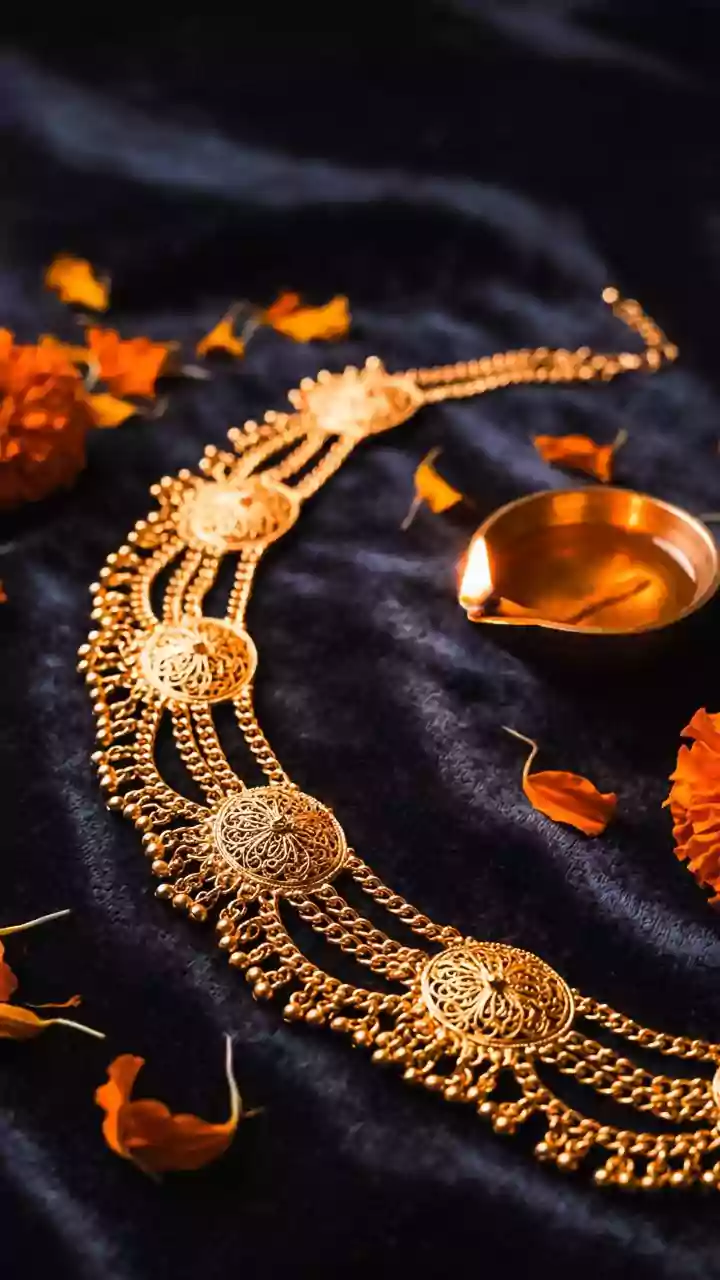




Gold loans are a quick and accessible source of funds for many Indians. But the loan amount you receive depends entirely on your gold's valuation. Understanding the purity check process is key to ensuring you get a fair and transparent deal.
Why Purity Is the Most Important Factor
The purity
of your gold, measured in karats, is the single most important factor in determining your loan amount. Pure gold is 24 karats (K), but it's too soft for jewellery, so it's mixed with other metals for durability. This is why most Indian jewellery is 22K (91.6% pure gold) or 18K (75% pure gold). When a lender values your jewellery, they are assessing how much pure gold it contains. A higher karat value directly translates to a higher valuation and, consequently, a larger potential loan amount. Lenders are primarily interested in the intrinsic value of the gold itself, not the craftsmanship or any sentimental value.
The First Check: BIS Hallmarking
Before any machine is used, the first sign of quality is the Bureau of Indian Standards (BIS) hallmark. This is a government-certified stamp that guarantees the gold's purity. A hallmarked piece of jewellery will have a tiny laser engraving, typically on an inner surface, that includes the BIS logo, the karat value (like 22K916), and often a Hallmark Unique Identification (HUID) number. For lenders, a BIS hallmark is a trusted indicator of purity and can streamline the valuation process. While non-hallmarked jewellery can still be pledged for a loan, its purity will require more rigorous verification by the lender.
How Lenders Test Your Gold
Most reputable banks and Non-Banking Financial Companies (NBFCs) today use non-destructive methods to test gold purity right in front of you. The most common and accurate method is X-Ray Fluorescence (XRF) spectroscopy. An XRF machine fires a safe, low-energy X-ray at the jewellery, causing the atoms to fluoresce. The machine reads these signals to determine the exact elemental composition, providing a precise percentage of gold and other alloyed metals in seconds without causing any damage. While older methods like the acid or touchstone test exist, they are less precise and can be subjective. Insist on a transparent, modern testing method like XRF.
Key Questions to Ask Your Lender
To protect your interests, you should be an active participant in the valuation process. Here are the crucial questions to ask:
1. What method do you use to test purity? Confirm they use a non-destructive XRF machine for accuracy.
2. Can I witness the entire valuation process? The weighing and testing of your gold should happen in your presence to ensure transparency.
3. How do you account for stones and enamel? Lenders will deduct the weight of any non-gold items like stones, gems, and enamel from the total weight. Ask them to explain the net weight calculation.
4. Can I see the purity reading on the machine? The XRF machine will display a detailed breakdown of the metal composition. Ask to see this report to verify the karat value determined by the lender.
5. What is the final net weight and purity you have recorded? Always get a clear breakdown of the final valuation, including the net weight of gold, the purity assessed, and the per-gram rate being applied.
Red Flags to Watch For
Be cautious if a lender is not transparent about their process. Warning signs include taking your gold out of sight for valuation, being vague about deductions for stones, or using only rudimentary tests like an acid scratch test without a more scientific backup. Reputable lenders pride themselves on a transparent and accurate process because their business depends on trust. Any unwillingness to answer your questions clearly or show you the results of the purity test should be a major red flag. Remember, the Reserve Bank of India (RBI) mandates a maximum Loan-to-Value (LTV) ratio of 75% for gold loans, meaning you can get a loan of up to 75% of your gold's assessed value.