



Why Combine Birding and Big Game?
A traditional Indian safari often focuses on the thrilling pursuit of the Bengal tiger. While seeing a tiger in the wild is an unforgettable experience, limiting your focus to big cats means missing out on the incredible biodiversity that thrives alongside
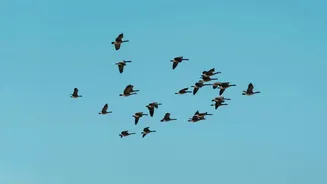
them. By adding birdwatching to your itinerary, you embrace a more holistic safari experience. November is the ideal month for this combination. The weather is cool and pleasant, the forests are vibrant post-monsoon, and it marks the beginning of the migratory season when thousands of birds from Central Asia and Europe fly south to India for the winter. This convergence of comfortable safari conditions and peak avian activity creates a perfect window for a multi-faceted wildlife adventure.
Corbett: The Classic All-Rounder
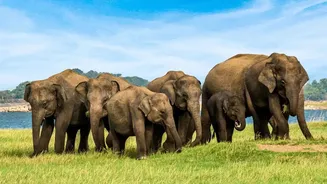
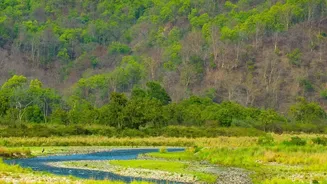
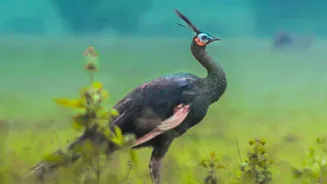
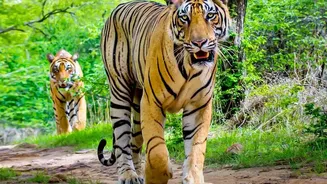
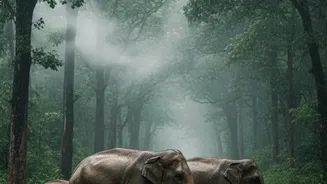
Jim Corbett National Park in Uttarakhand is perhaps the ultimate destination for a combined tour. As India's first national park, its legendary status is built on a healthy tiger population, but its rich avian life is just as impressive, with over 600 recorded bird species. In November, the park's forests and grasslands are teeming with resident species like the Great Hornbill and Crested Serpent Eagle, while its riverine belts along the Ramganga River welcome a host of migratory water birds. You can spend the morning tracking tigers and elephants in the famed Dhikala zone and the afternoon exploring the riverbanks for the Pallas's Fish Eagle, Wallcreeper, and various kingfishers. The varied landscape of Sal forests, grasslands, and water bodies ensures that every moment, whether you're waiting for a tiger or not, is filled with discovery.
Kaziranga: Rhinos, Tigers, and Waterfowl
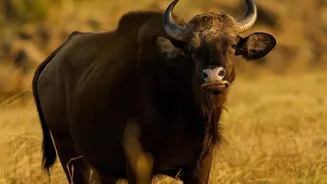
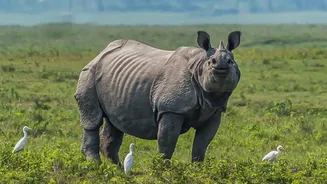
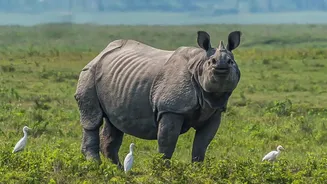
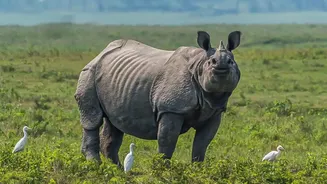
Further east, in the state of Assam, Kaziranga National Park offers a different but equally compelling experience. A UNESCO World Heritage Site, Kaziranga is the global stronghold for the one-horned rhinoceros. Safaris here across vast grasslands offer near-guaranteed rhino sightings, along with opportunities to see Asiatic elephants, wild water buffalo, and a significant tiger population. November marks the beginning of the prime visiting season, as the park reopens after the monsoon floods. The receding waters leave behind rich, marshy wetlands that attract an enormous number of migratory birds. The Eastern Range (Agoratoli) is particularly famous for its waterfowl, making it a hotspot for birders. Combining a jeep safari in the Central Range for rhinos with a visit to the Eastern Range for birds provides a comprehensive tour of this unique floodplain ecosystem.
Ranthambore: History and Habitats
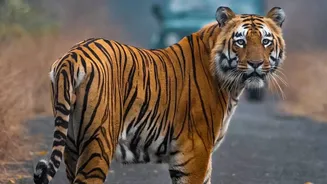
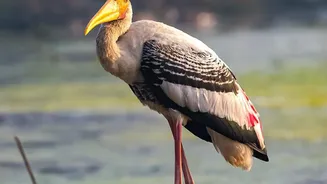
In Rajasthan, Ranthambore National Park is synonymous with dramatic tiger sightings set against the backdrop of a 10th-century fort. While the focus is heavily on tigers, the park's numerous lakes—Padam Talao, Rajbagh Talao, and Malik Talao—are magnets for birdlife. Over 300 species of birds have been recorded here. In November, these water bodies become crucial habitats for winter migrants like the Greylag Goose and various ducks, alongside resident species such as the Painted Stork and Crested Serpent Eagle. A safari in Ranthambore is a journey through history and nature; you might photograph a tiger lounging near ancient ruins in the morning and spend the afternoon watching flocks of migratory birds land on a shimmering lake. For dedicated birders, areas just outside the park, like Soorwal Lake, offer excellent opportunities for birdwatching on foot, which isn't permitted inside the main tiger zones.
Essential Planning Tips
To make the most of your November trip, planning is key. Safari permits for popular parks like Ranthambore and Corbett are booked online months in advance and sell out quickly, especially for the best zones. When booking, consider hiring a guide with specific expertise in both mammals and birds; their knowledge will transform your experience from mere spotting to deep understanding. For accommodation, lodges situated near park gates or in quieter, bird-rich buffer zones offer the best of both worlds. Finally, pack accordingly. Neutral-coloured clothing is essential for not disturbing wildlife, and a good pair of binoculars is non-negotiable. A camera with a decent zoom lens will help you capture both the grandeur of a tiger and the delicate features of a migratory warbler.