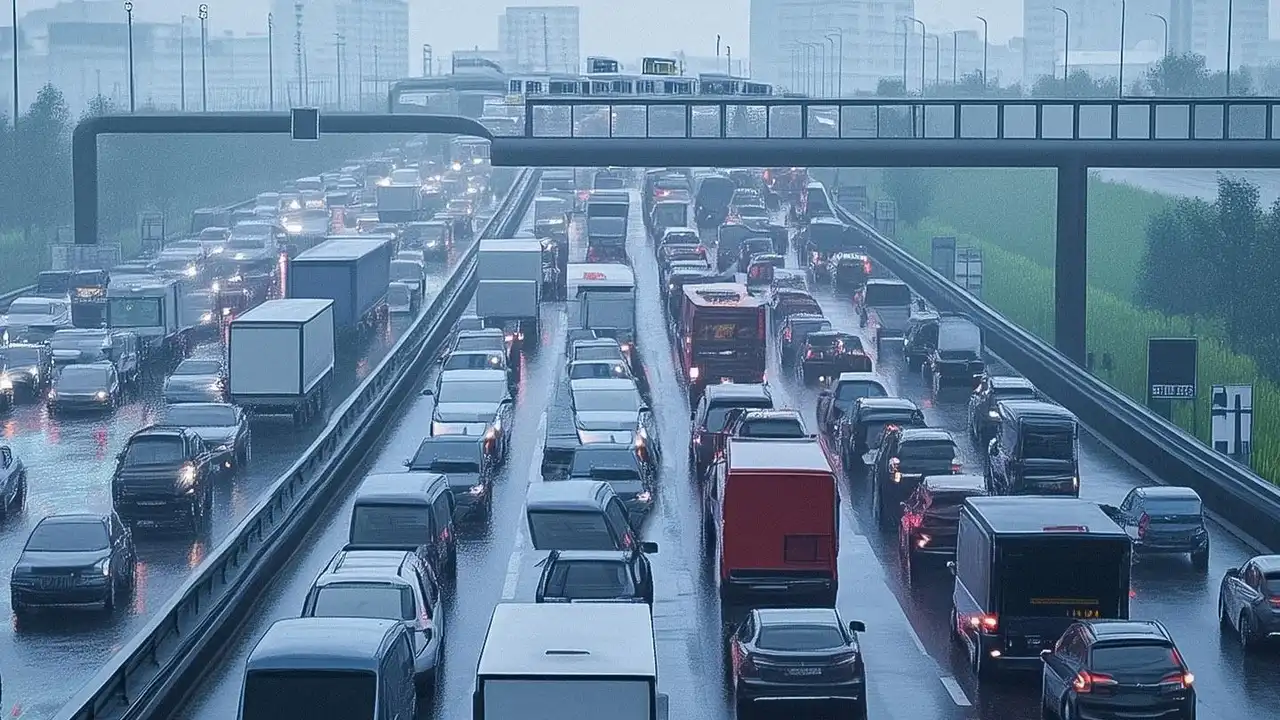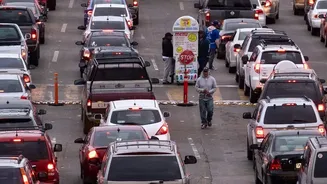



As winter approaches, Delhi is bracing for its annual battle with air pollution. Starting November 1, new traffic restrictions on passenger cars will be enforced at the capital's borders. Here is a detailed guide to help you navigate the changes.
What Exactly Is Changing on November 1?
The core
of the new advisory is a ban on specific types of passenger vehicles from entering Delhi. This measure is part of a broader strategy, often linked to the Graded Response Action Plan (GRAP), to curb vehicular emissions as air quality deteriorates. The primary targets are older, more polluting cars. Specifically, the ban typically applies to BS-III model petrol cars and BS-IV model diesel cars. If the air quality worsens to the 'Severe' or 'Severe+' category (AQI above 401), these restrictions are strictly enforced not only in Delhi but also in surrounding NCR districts like Gurugram, Faridabad, Ghaziabad, and Noida. The goal is to reduce the volume of vehicles contributing heavily to smog and particulate matter during the critical winter months.
Which Vehicles Are Banned?
The restrictions are based on Bharat Stage (BS) emission standards, not the age of the vehicle in years. If GRAP Stage III is invoked, the following light motor vehicles (four-wheelers) will be affected: BS-III Petrol Vehicles: Any car running on petrol that complies with the BS-III standard or older is usually banned. BS-IV Diesel Vehicles: Similarly, diesel cars that meet the BS-IV standard or older are prohibited from plying on the roads. It is important to note that vehicles with a valid Pollution Under Control (PUC) certificate are still subject to these BS-norm-based restrictions. Having a valid PUC is mandatory, but it does not grant an exemption if your vehicle's emission standard falls into the banned category during a high-alert period.
Who Is Exempt From the Restrictions?
Not all vehicles will be barred from the roads. The government provides exemptions for cleaner-fuel vehicles and essential services. The following categories are typically allowed to operate: Electric Vehicles (EVs) and CNG Vehicles: All cars running on electricity or compressed natural gas are exempt from the ban and can move freely.. BS-VI Compliant Vehicles: All vehicles, whether petrol or diesel, that meet the BS-VI emission standard are permitted to operate. These are generally vehicles manufactured after April 2020.. Emergency and Essential Services: Vehicles used for emergency services like ambulances, fire tenders, police vehicles, and those involved in government or public utility work are also exempt.
Why Are These Curbs Being Implemented?
These traffic restrictions are a critical component of Delhi's winter action plan to combat severe air pollution. During winter, a combination of factors including lower temperatures, slower wind speeds, and smoke from stubble burning in neighbouring states leads to a sharp spike in air pollutants, creating a public health emergency. Vehicular emissions are a major contributor to Delhi's pollution, accounting for a significant percentage of PM2.5 particles. By restricting the movement of older, more polluting vehicles, the Commission for Air Quality Management (CAQM) and the Delhi government aim to bring down the overall pollution load. These measures are activated in stages based on the Air Quality Index (AQI), with stricter curbs like the car ban coming into effect when the air quality is deemed 'Severe'.
What Are the Penalties for Violating the Ban?
Motorists found violating the ban on BSers III petrol and BSers IV diesel cars face significant penalties. Under Section 194(1) of the Motor Vehicles Act, driving a prohibited vehicle during the enforcement period can attract a hefty fine of ₹20,000. Authorities will deploy enforcement teams from the Transport Department and Delhi Traffic Police at major border entry points and across the city to catch violators. Additionally, there is strict enforcement of the 'No PUC, No Fuel' rule, where vehicles without a valid Pollution Under Control certificate can be denied fuel at petrol pumps. Not having a valid PUC itself can result in a separate fine of ₹10,000.
How to Plan Your Commute
With these restrictions in place, planning your travel in and around Delhi is essential. First, check your vehicle's Registration Certificate (RC) to confirm its BS standard. If you own a BSers III petrol or BSers IV diesel car, avoid taking it out during the ban period. The best alternative is to use public transport. The Delhi Metro remains fully operational and often increases its service frequency during such times to accommodate the extra passenger load. DTC and Cluster buses that are CNG or electricers powered will also continue to run. Carpooling with someone who owns a compliant vehicle (BSers VI, CNG, or EV) is another excellent option. If possible, consider working from home on days when air quality is particularly bad to avoid the commute altogether.