







Your Gut: The Second Brain
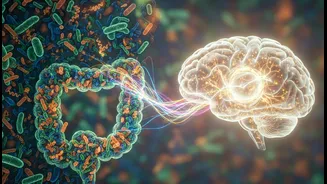
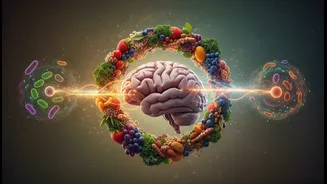
The idea that your gut and brain are connected isn't just a feeling; it's a physiological fact known as the gut-brain axis. This bidirectional communication network means your gastrointestinal tract is constantly sending signals to your brain, and vice-versa.
A significant portion of your body's serotonin, a neurotransmitter that helps regulate mood, is produced in the gut. Therefore, a healthy gut microbiome—the community of trillions of microorganisms living in your digestive system—is critical for balanced mood and mental processes. An unhealthy diet can lead to imbalances in this delicate ecosystem, a state called dysbiosis, which research has linked to mental health conditions like anxiety and depression.
Key Nutrients That Nurture Your Mind
Certain nutrients play a starring role in brain function and mood regulation. Omega-3 fatty acids, found in fatty fish like salmon and plant-based sources like walnuts and flaxseeds, are crucial for brain cell structure and have anti-inflammatory properties that may help relieve depression. B vitamins, particularly B12 and folate (B9), are essential for producing brain chemicals like serotonin and dopamine that affect mood. You can find folate in dark leafy greens like spinach and palak, as well as in beans and lentils. Antioxidants, abundant in colourful fruits and vegetables, help protect the brain from oxidative stress, a process linked to inflammation and mood disorders.
Foods to Favour for Better Well-being
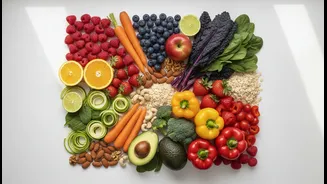
Building a diet that supports your mind doesn't have to be complicated. Adopting an eating pattern similar to the Mediterranean diet—rich in fruits, vegetables, whole grains, and healthy fats—has been associated with a reduced risk of depression. Focus on incorporating complex carbohydrates like brown rice, oats, and starchy vegetables, which provide a steady supply of energy and help stabilize blood sugar levels, preventing mood swings associated with sudden drops. Lean proteins found in chicken, fish, eggs, and legumes like dal and chickpeas provide amino acids that are the building blocks for mood-regulating neurotransmitters. Don't forget fermented foods like yogurt (dahi) and kimchi, which contain probiotics that bolster a healthy gut microbiome.
What to Limit, Not Exclude
Just as some foods can support mental wellness, others can have a negative impact when consumed in excess. Diets high in refined sugars and processed foods can promote inflammation and have been linked to an increased risk of depressive symptoms. These foods can cause rapid spikes and crashes in blood sugar, leading to irritability and mood swings. Highly processed and fried foods often lack the essential nutrients your brain needs and can contribute to feelings of fatigue and poor concentration. The goal isn't to create a restrictive list of forbidden foods, but rather to be mindful of moderation and prioritize whole, nutrient-dense foods more often.
Food Is Only One Part of the Plan
It is crucial to remember that nutrition is a supportive player, not a solo act, in any mental health plan. While a healthy diet can make a significant difference in your mood and energy levels, it is not a substitute for professional mental health care. Think of it as one strong pillar in a foundation that also includes regular exercise, adequate sleep, stress management techniques, social connection, and, when necessary, therapy or medication. Combining these elements creates a holistic and resilient approach to psychological well-being. A mindful approach to what you eat is a powerful form of self-care that complements other strategies for a healthier mind and body.