

Understanding the Magic: How They Work
Self-watering pots are brilliantly simple. They consist of a separate water reservoir below. A wicking mechanism, often a cotton rope or an absorbent material plug, connects the two. Through a natural process called capillary action, the wick draws water up
from the reservoir into the soil as the soil begins to dry out. This provides a consistent supply of moisture directly to the root zone, theoretically giving the plant exactly what it needs, when it needs it. The system is designed to prevent the stress of a plant going from bone-dry to soaking wet, which can happen with traditional top-watering.
The One-Size-Fits-All Myth
The core issue with the 'set it and forget it' mindset is that plants have vastly different evolutionary histories and, therefore, different watering needs. A self-watering pot's default function is to keep the soil consistently moist. While this sounds ideal, it's perfect for some plants and a death sentence for others. Plants native to arid, desert environments are adapted to periods of drought; their roots need to dry out completely between waterings to avoid suffocation and rot. Subjecting a succulent or cactus to the constant dampness of a standard self-watering setup is one of the fastest ways to kill it with kindness.
Moisture Lovers: The Thirsty Crowd
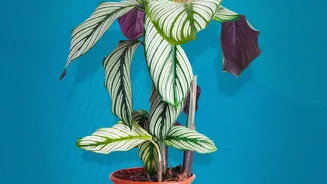
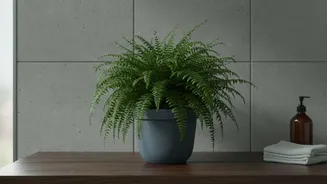
Some plants are perfectly suited for the unmodified self-watering experience. These are typically tropical plants that grow in consistently damp environments in the wild. They love the steady supply of moisture and are less prone to root rot in these conditions. Good candidates include many ferns (like Boston ferns), Peace Lilies, Calatheas, and some herbs like basil and mint. These plants often wilt dramatically when they get thirsty, so the constant hydration from a self-watering pot keeps them looking lush and happy with minimal fuss. For these plants, simply keep the reservoir filled and let the pot do its job.
Drought-Tolerant Plants: Hacking the System
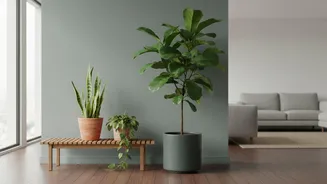
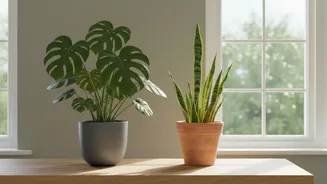
So, does this mean you can't use these convenient pots for your succulents, cacti, or snake plants? Not at all—you just have to adapt your approach. Instead of keeping the reservoir full, treat it like a watering can. Let the soil dry out completely, then add a specific amount of water to the reservoir and allow the plant to wick it all up over a day or two. Once the reservoir is empty, do not refill it. Wait until the soil is bone-dry again—which could be weeks later—before repeating the process. This method gives you the benefits of bottom-watering (which encourages strong root growth) without the risk of constant moisture causing root rot.
The In-Betweeners: Finding a Balance
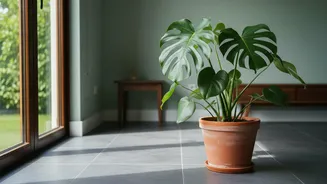
Many popular houseplants, such as Pothos, Spider Plants, and Philodendrons, fall into a middle category. They don't want to be constantly waterlogged, but they also don't want to dry out completely like a cactus. For these plants, a flexible approach works best. You can keep the reservoir filled but allow it to go completely empty for a few days before refilling it. This creates a mini dry-out period that allows air to get to the roots, preventing them from becoming waterlogged. The key is observation. If the top inch or two of soil feels dry, it's a good time to refill the reservoir.
Soil Is Your Secret Weapon
No matter the plant, the right soil is crucial for success in a self-watering pot. Standard garden soil is too dense and will become a compacted, waterlogged mess. You need a potting mix that is light, airy, and good at wicking. Mixes high in peat moss or coco coir are great for wicking, while adding a generous amount of perlite or vermiculite ensures there is enough aeration to keep roots healthy. For plants that prefer drier conditions, increasing the amount of perlite or using a gritty succulent mix can further help prevent the soil from holding too much water.