







What Sparked the Confusion?
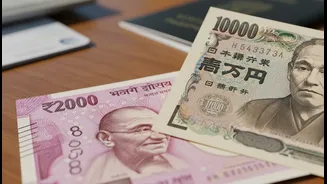
In early July 2026, Japan announced its first major global visa fee revision in nearly 50 years. Effective July 1, the cost for a single-entry visa jumped from JPY 3,000 to JPY 15,000 (about ₹8,750), and a multiple-entry visa increased from JPY 6,000
to JPY 30,000 (roughly ₹17,500) for most nationalities. This five-fold increase understandably sent shockwaves through the travel community, with many assuming this steep new price applied to everyone, including Indian passport holders. Social media and news reports amplified the alarm, leading to the current panic.
The Good News: India Is Exempt
Here's the crucial detail that got lost in the noise: Indian citizens are exempt from this global fee hike. Thanks to a long-standing bilateral arrangement, the visa fee for Indians remains unchanged. The Embassy of Japan in India has confirmed that Indian passport holders will continue to pay just ₹500 for both single-entry and multiple-entry visas. This special concessional rate makes Japan one of the most affordable premium destinations for Indians to get a visa for, even as it becomes more expensive for travellers from many other countries.
Understanding the Full Cost
So, why do people report paying more than ₹500? The total cost of a Japan visa application has two main components. First is the actual visa fee paid to the embassy, which is the ₹500 mentioned above. Second is a mandatory service charge paid to the authorised processing partner, VFS Global. As of April 2026, this service charge is ₹800 per application. This fee is for their services in handling the application, biometrics, and logistics. Therefore, the minimum you should expect to pay is the visa fee plus the service charge, which totals ₹1,300. Optional services like courier return of your passport will add to the cost.
What About the e-Visa?
To further streamline travel, Japan introduced an e-visa system for Indian tourists in April 2024. This option is available for single-entry short-term tourist visits. It is important to note this is not a fully online process like for some other countries; applicants still need to go through designated centres or agencies. The result is a digital 'Visa Issuance Notice' that you display on your smartphone upon arrival in Japan, instead of a physical sticker in your passport. The fee structure for the e-visa can vary, so it is best to confirm with the accredited agency handling your application. For multiple-entry visas, you must still use the traditional paper application route through VFS Global.
Your Application Plan: No Panic Needed
With the fee structure clarified, you can plan your application with confidence. The process for Indians remains largely the same. You need to submit your application through an authorised VFS Global centre. While some centres have moved to a mandatory appointment system to manage queues, the overall process is straightforward. The standard processing time is about five to seven working days after submission to the embassy. The key takeaway is that your Tokyo dream has not suddenly become five times more expensive. The core visa fee remains exceptionally low for Indians. By understanding the breakdown of the total cost—visa fee plus service charge—you can budget accurately and avoid any last-minute financial surprises.