







1. The 'Fourth Meal' is Now a Thing
Dinner at 9 PM is becoming a thing of the past for many young, urban Indians. Lifestyles defined by late working hours, binge-watching shows, and global work schedules have pushed meal times later, with sleep often not happening until 2 or 3 AM. This
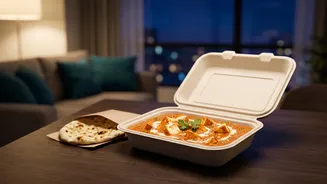
has given rise to what marketers call the "fourth meal"—a significant eating occasion between 11 PM and 3 AM. Food delivery platforms report that late-night orders have doubled over the past year, a trend accelerated by major sporting events but rooted in a deeper lifestyle change. This isn't just a sporadic craving; it's an established part of the daily routine for a growing number of people, especially young professionals and students.
2. Ghost Kitchens are Ruling the Night
The restaurant you ordered from at 1 AM might not actually exist—at least not in the traditional sense. The late-night boom is largely powered by 'ghost' or 'cloud' kitchens, which are delivery-only operations without a storefront or seating area. This model is perfect for the late-night market. It allows businesses to operate with lower overheads—no expensive decor or front-of-house staff needed—and focus entirely on preparing food for delivery. By operating from a single, low-rent kitchen, brands can serve a wide area through apps like Swiggy and Zomato. This efficiency is crucial, as late-night demand can be high but is often less predictable than daytime meals. For many, these kitchens have become the only way to profitably cater to the night owls.
3. The Rise of the Night-Shift Gig Worker
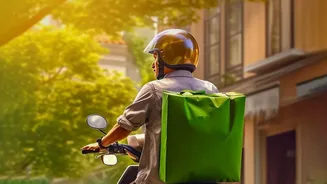
This 24/7 food economy relies on a vast network of delivery partners willing to work through the night. The gig economy is projected to provide livelihoods for over 23 million workers in India by 2030. For some, the late shift offers a way to earn extra income or work flexible hours. However, it comes with a unique set of challenges. Delivery partners often face increased safety risks on deserted streets late at night, pressure to meet tight delivery deadlines, and the physical toll of working unconventional hours. While the system provides unprecedented convenience for the consumer, it has sparked a national conversation about fair wages, job security, and the human cost of on-demand services for the workers who make it possible.
4. It's Not Just About Metros Anymore
While late-night delivery culture was born in metros like Mumbai, Bengaluru, and Hyderabad, it is rapidly expanding into Tier-2 and Tier-3 cities. Platforms like Swiggy have reported double-digit growth in late-night orders from corporate hubs in cities like Bhubaneswar, Kochi, Lucknow, and Ahmedabad. This expansion signals a broader shift in lifestyle and work culture across the country, not just in the biggest urban centres. As more companies adopt flexible or global working hours, the 'night economy' is becoming a national phenomenon. Delivery services are actively expanding their networks and encouraging more restaurants in these emerging markets to stay open late to meet the growing demand.
5. A New Health Conversation
The convenience of a midnight meal comes with a growing conversation around its health implications. Studies and health experts consistently point to the potential downsides of regular late-night eating, linking it to poor digestion, weight gain, and disrupted sleep. The body's metabolism naturally slows down at night, making it harder to process food efficiently. This can lead to issues like acid reflux, bloating, and over time, could increase the risk of chronic conditions. In response, some consumers are becoming more conscious, and platforms are beginning to highlight 'healthy nibbles' and lighter options. This creates a new dynamic: the tug-of-war between the instant gratification of comfort food and the long-term desire for wellness.