






Understanding Mumbai's Landslide Triggers
Landslides in Mumbai are rarely a surprise from a geological perspective. They are typically triggered by a combination of intense rainfall saturating the soil on steep slopes. The city's unique topography, with its many hills and coastal areas, creates
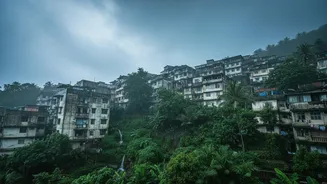
natural vulnerability. However, human activity significantly amplifies this risk. Unchecked construction, illegal encroachments on hillsides, deforestation for development, and blocked or altered drainage paths all weaken the natural stability of slopes. When heavy monsoon rains arrive, the already compromised ground becomes overburdened, leading to catastrophic collapses of soil and rock. Following a deadly landslide in August 2026, experts reiterated that this interference with the natural landscape makes such events almost inevitable.
Official Risk Zones: Is Your Area on the List?
The Brihanmumbai Municipal Corporation (BMC) actively identifies and monitors areas with a high risk of landslides. As of early 2026, the BMC had mapped 249 vulnerable locations across the city. These zones are concentrated around hilly regions and their foothills, including areas near Ghatkopar, Malabar Hill, and the Sanjay Gandhi National Park. These locations, often home to informal settlements, are considered particularly at risk. The Geological Survey of India (GSI) also provides detailed reports classifying zones by vulnerability. For instance, the Kurla hillock, site of a recent fatal landslide, was previously identified as a 'highly vulnerable' zone. Residents can inquire with their local BMC ward office to understand the specific risk assessment for their neighbourhood.
The Outdoor Checklist: Visual Warning Signs
You don't need to be a geologist to spot potential danger. Regular visual checks around your property, especially during heavy rains, can reveal early warning signs. Look for new or widening cracks in the ground, soil moving away from your home's foundation, or unusual bulges at the base of a slope. Another key indicator is the tilting of previously straight objects like trees, fences, or utility poles. Pay close attention to water. New springs or seeps on a slope that used to be dry, or a sudden change in water flow in nearby drains from clear to muddy, can signal that the ground is saturated and unstable. Also, inspect any retaining walls for new cracks or bulges, as these are designed to hold back soil and their failure is a major red flag.
The Indoor Checklist: Signs of Stress
The stability of the land around your home directly affects the structure itself. Signs of a slow-moving landslide can often appear inside your house first. Be alert if doors or windows suddenly start to stick or jam when they previously worked fine. This could indicate that the building's frame is being subtly warped by ground movement. Similarly, new cracks appearing in plaster, tile, brickwork, or the foundation are serious warning signs that require immediate attention. Look for outside walls, patios, or stairs that appear to be pulling away from the main building. Any breakage of underground utility lines like water or sewage pipes is another critical indicator of ground shifting.
Immediate Steps if You Suspect Risk
If you observe any of the warning signs, especially a combination of them or a rapid change, it is crucial to act quickly. Unusual sounds like trees cracking, boulders knocking together, or a faint rumbling that gets louder are signs of an imminent, fast-moving landslide, and you should evacuate to higher ground immediately. For slower-developing signs, contact your local BMC ward office or the disaster management cell. They can provide an assessment and advise on necessary precautions. It is also wise to prepare a family evacuation plan and an emergency kit. Following recent tragedies, the BMC has reiterated its stance on evacuating residents from high-risk structures, sometimes forcefully if notices are ignored, underscoring the seriousness of the threat.