





Check Before You Leave
The single most important monsoon habit is to check conditions before you step out. A quick look at a reliable app can save you hours of waiting. For train travel, the official National Train Enquiry System (NTES) app provides real-time train status,
delays, and cancellations. Other popular apps like 'Where is my Train' can even work offline by using cell tower information to locate the train. For road travel, use mapping services that provide live traffic updates to identify waterlogged areas and major congestion before you get stuck. Checking the weather forecast and local travel advisories should be a daily ritual during the rainy season.
Mastering the Monsoon Train Journey
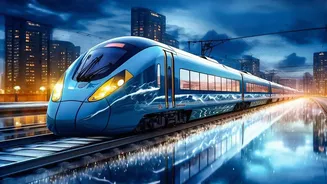
For millions, local and national trains are a lifeline, but they are highly vulnerable to monsoon disruptions. Waterlogging on tracks, signal failures, and reduced visibility can lead to a domino effect of delays. If your train is delayed, the first step is to verify the information through official apps, not just social media forwards. Platform safety becomes critical in the rain; slippery surfaces and crowds increase the risk of accidents, so it's wise to wear footwear with good grip and stand back from the platform edge. Standing near the doors of a moving train can be particularly dangerous due to sudden jerks and poor visibility. If you find yourself facing a long delay, having a fully charged phone and a power bank is essential for staying informed and in touch.
Navigating Waterlogged Roads
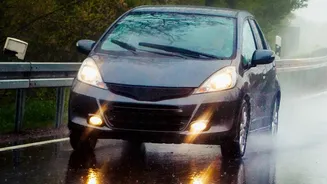
Whether you are in a car, on a two-wheeler, or in an auto-rickshaw, waterlogged streets pose a significant danger. The primary rule is to avoid driving through standing water if you can't judge its depth. As a general guideline, if the water is above the center of your car's wheels, it's best to find an alternate route. If you must proceed, stay in a low gear and keep the engine revs high to prevent water from entering the exhaust pipe. Avoid sudden acceleration or braking. For two-wheeler riders, this means slipping the clutch to control speed while keeping the throttle steady. Modern cars can have electrical systems that short-circuit in water, potentially locking the doors, so it's a good safety measure to crack the windows open slightly before entering a deeply flooded area.
The Pedestrian's Playbook
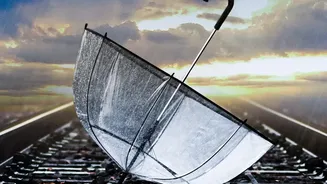
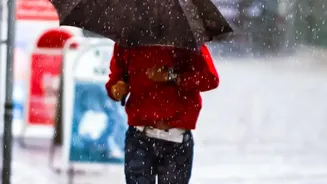
Walking during the monsoon comes with its own set of hazards. Waterlogged streets can hide open manholes, potholes, and other dangers. Pay close attention to your path and, if possible, follow others who know the area. Station staircases and foot overbridges are often the most slippery spots, so slow down and hold the railing. A sturdy umbrella is a must, but a lightweight raincoat can offer better protection in heavy downpours, especially in windy conditions. Keeping a safe distance from electrical poles and wires is also crucial. A good pair of waterproof, non-slip footwear is perhaps the most important investment for a pedestrian's monsoon commute.
Your Monsoon Commute Kit
A little preparation goes a long way. Assembling a small monsoon kit can make unexpected delays and drenchings far more manageable. Start with a waterproof backpack or at least a rain cover for your bag to protect electronics and documents. Inside, keep a small microfibre towel, a spare pair of socks, and perhaps a change of clothes at the office if possible. A power bank is non-negotiable for long commutes. It's also wise to carry some drinking water, light snacks, and any personal medication in case your journey takes much longer than planned. Finally, keep some cash handy, as digital payments can be unreliable during network disruptions caused by heavy rain.