



What Exactly is Finger Millet?
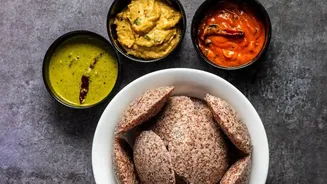
Finger millet, known commonly across India as ragi, is a hardy cereal crop that has been a staple food for thousands of years. Recognised by its small, reddish-brown seeds, this ancient grain is experiencing a modern revival as health-conscious consumers
rediscover its incredible benefits. Traditionally a food of sustenance, particularly in Southern India, ragi is celebrated for its resilience and its impressive nutritional profile. It is naturally gluten-free, making it an excellent and safe grain for individuals with celiac disease or gluten sensitivity.
A Nutritional Powerhouse
The reasons to embrace ragi are numerous, starting with its dense nutrient content. It is one of the best non-dairy sources of calcium, crucial for strong bones and teeth. Beyond calcium, ragi is packed with dietary fibre, which aids digestion, promotes feelings of fullness to help with weight management, and helps regulate blood sugar levels due to its low glycemic index. It is also a good source of iron, which can help combat fatigue, and is rich in essential amino acids that the body needs for functions like tissue repair.
Preparing the Simple Savoury Batter
Creating a batter for ragi crepes, or dosas, is surprisingly simple. For a basic, quick version, you only need a few ingredients. The foundation is ragi flour, which has a distinct nutty and earthy flavour. To create a batter with a good texture, ragi flour is often mixed with other flours like rice flour and a small amount of semolina (rava). Curd (yoghurt) can be added to the flour mixture along with water to form a smooth, lump-free batter. For an instant crepe, you can let this mixture rest for just 10-15 minutes before cooking. For a more traditional, fermented flavour and potentially better digestibility, the batter can be left to ferment for several hours or overnight.
Quick Ragi Savoury Crepe Recipe
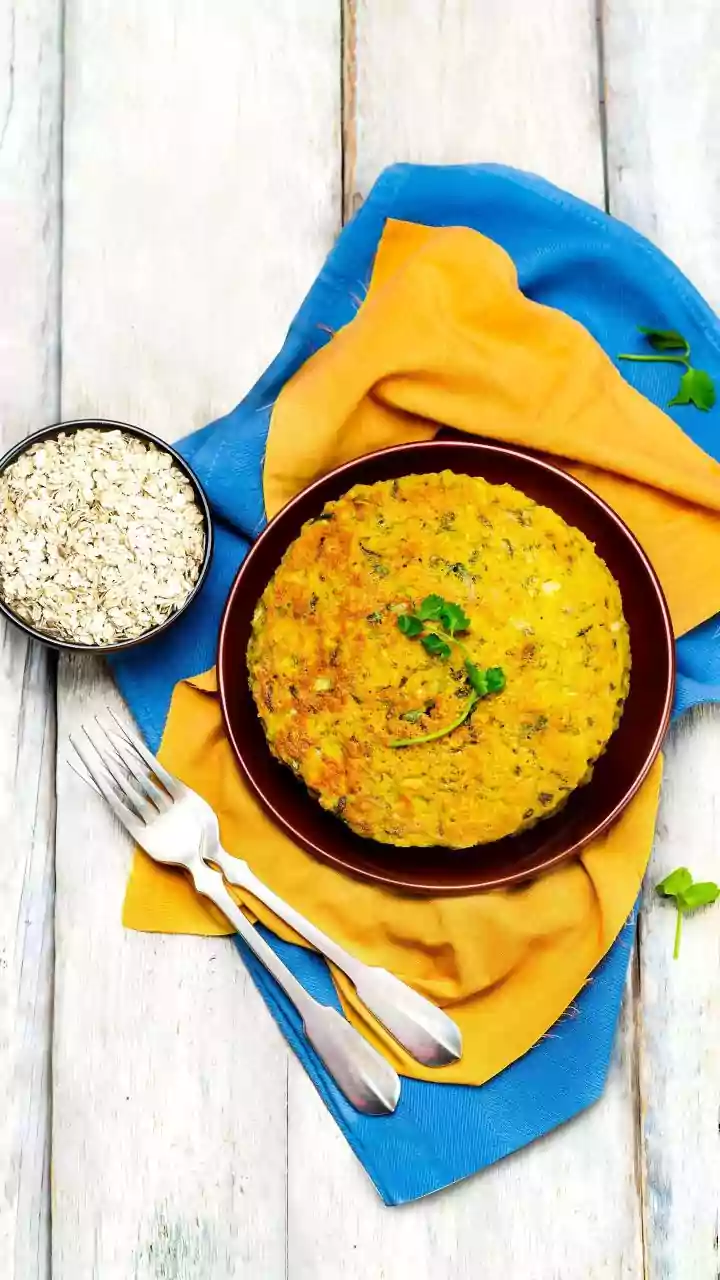
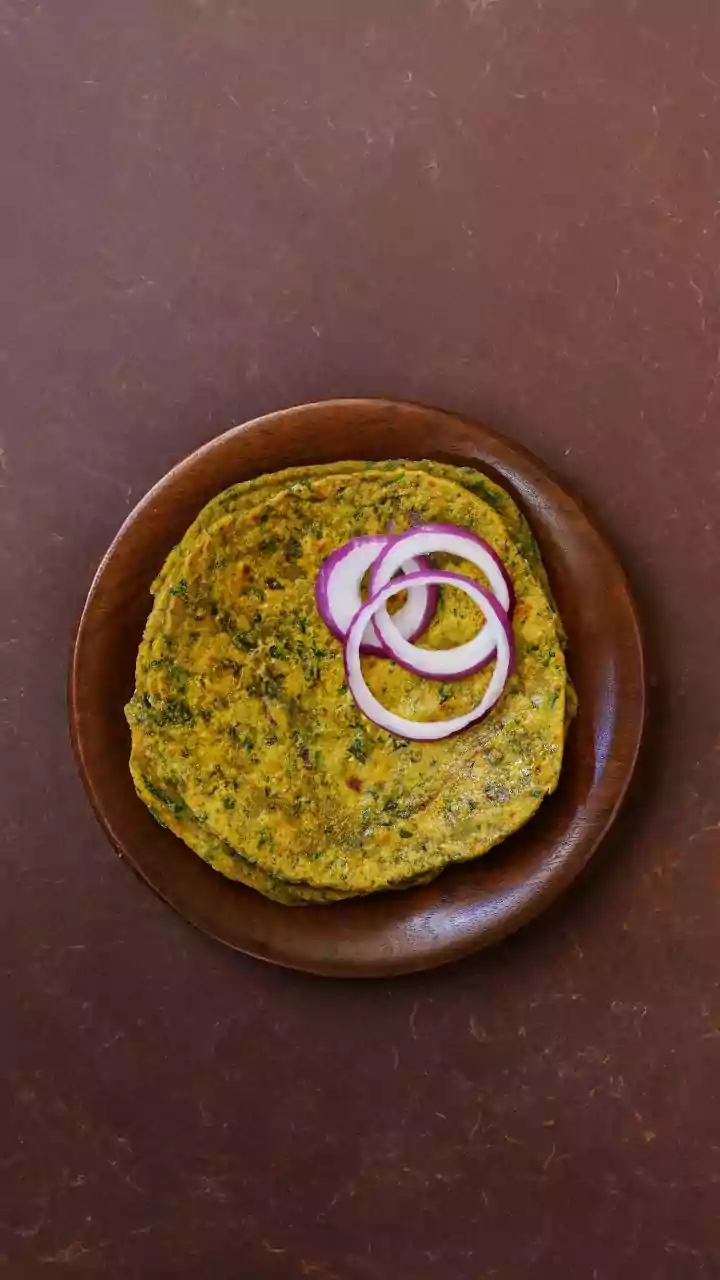
This recipe yields thin, flavourful crepes perfect for a wholesome breakfast. Ingredients: 1 cup ragi flour, ¼ cup rice flour, ¼ cup fine semolina (rava), ½ cup curd, 1 finely chopped onion, 1-2 finely chopped green chillies, a handful of chopped coriander leaves, 1 teaspoon cumin seeds, salt to taste, and water as needed. Instructions: In a large bowl, whisk together the ragi flour, rice flour, and semolina. Add the curd and a cup of water, mixing well to ensure there are no lumps. Add the chopped onion, green chillies, coriander leaves, cumin seeds, and salt. Continue to add water gradually until you have a thin, runny batter, similar to a rava dosa batter. Let it rest for at least 15 minutes. Heat a non-stick tawa or griddle on medium-high heat and grease it lightly with oil. Pour a ladleful of the batter onto the hot tawa, starting from the edges and filling in the center. Drizzle a little oil around the edges and cook until the bottom is golden brown and crisp. There is no need to flip it. Gently fold and serve hot.
Tips, Tricks, and Variations
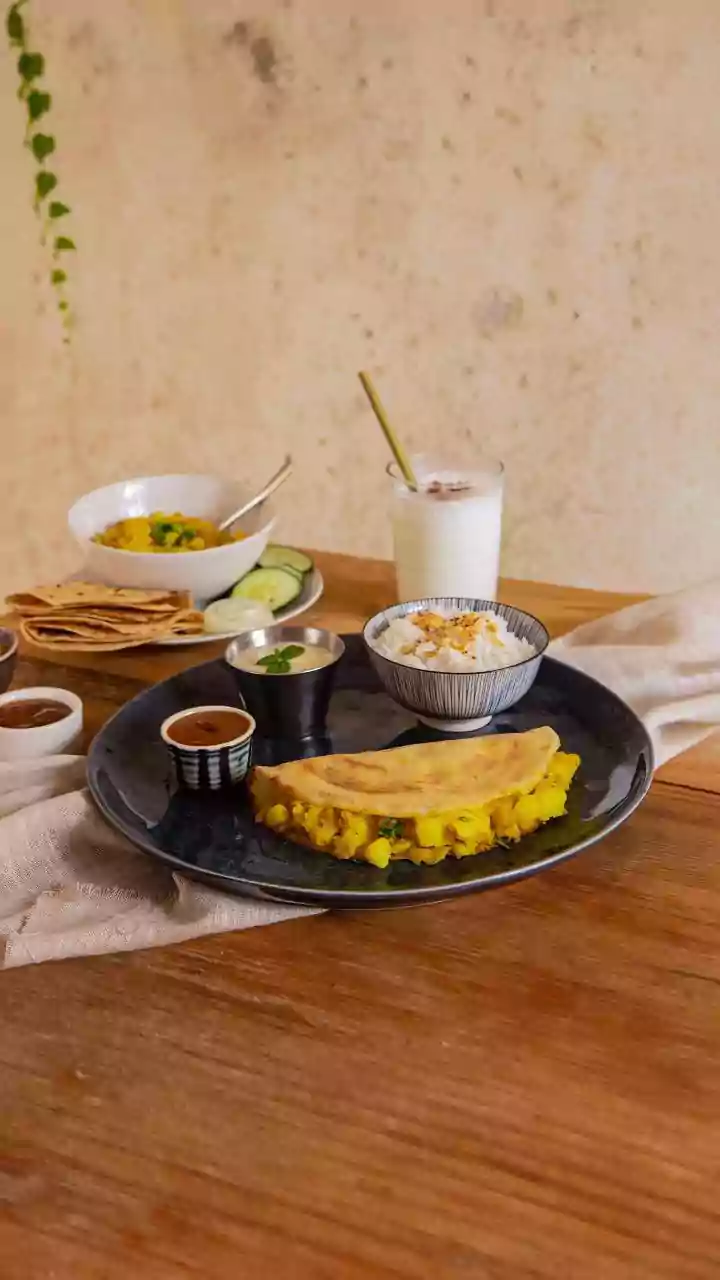
For the best results, ensure your tawa is sufficiently hot before pouring the batter; this helps create a crispy, lacey texture. The batter consistency is key—it should be thin and pourable. Don't be afraid to customize your crepes. You can add grated carrots, finely chopped capsicum, or spinach to the batter for an extra vegetable boost. Spices like crushed ginger, garlic, and curry leaves can also be blended and added to the batter for a more aromatic flavour. These savoury ragi crepes are best served immediately, paired with coconut chutney, tomato chutney, or a flavourful sambar.