



The Annual Monsoon Tragedy
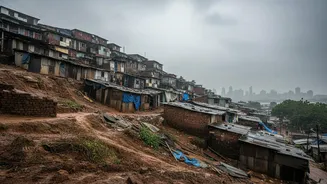
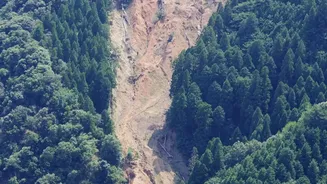
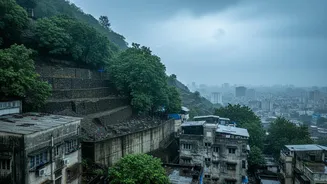
The danger is not theoretical. In the early hours of August 12, 2026, heavy rains triggered a devastating landslide in the Ghatkopar and Kurla areas. A section of a hill collapsed onto homes as residents slept, claiming at least seven lives, including
children, and injuring several others. This tragic event is a grim echo of past monsoons. In the last six years alone, Mumbai has recorded 95 landslides, resulting in 38 deaths. Rescue efforts are often severely hampered because the dense, narrow lanes of these hillside settlements prevent heavy machinery from accessing the site. For residents, it's a terrifying cycle of warnings, anxiety, and, for some, disaster.
A Perilous Combination of Geology and Weather
Mumbai's unique geography makes it inherently vulnerable. The city was originally a collection of islands with numerous hills, many of which have been altered for urban expansion. When the monsoon arrives, intense and prolonged rainfall saturates the topsoil. This water adds immense weight to the slope while simultaneously reducing the friction that holds the soil particles together. In many areas, this loose soil sits atop a hard, impermeable rock layer. The rainwater pools at this boundary, creating a lubricated surface that allows the heavy, water-logged topsoil to suddenly slide off. Climate change is intensifying this risk, leading to more extreme and unpredictable rainfall events that overwhelm the land's natural ability to cope.
The Human Cost of a Housing Crisis
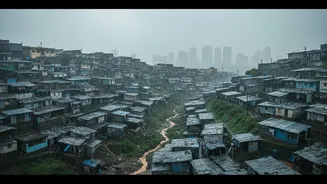
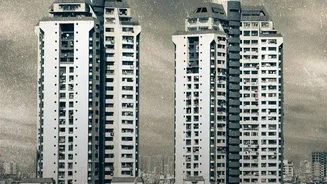
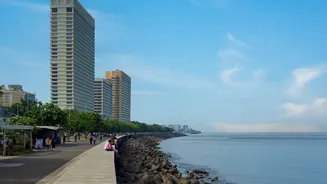
The critical question is why people live in such dangerous locations. The answer lies in Mumbai's severe and protracted housing crisis. With a population of over 20 million, affordable and safe housing is out of reach for a vast number of residents. Over half the city's population lives in informal settlements, or slums, which are crammed into just a fraction of the city's land. These settlements often occupy the only available land: low-lying areas prone to flooding or, perilously, the city's steep hillsides. For many families, the cheaper rent in an unauthorized structure on a slope is the only viable option in a city with sky-high property values. They are forced to weigh the daily need for shelter against a seasonal, but deadly, risk.
Construction and Encroachment: Making a Bad Situation Worse
The natural geological risks are dangerously amplified by human activity. Unchecked encroachment and illegal construction are rampant in these areas. When slopes are cut to create flat ground for building, it removes the natural base that supports the hillside, destabilizing the entire structure. Deforestation and the removal of vegetation for construction further erode the soil, stripping away the roots that help bind it together. Poorly planned drainage and the construction of amenities like toilets can also lead to concentrated water seepage, weakening slopes from within. This constant interference with the city's natural landscape turns a known hazard into an almost inevitable disaster.
The Official Response: Warnings and Walls
The Brihanmumbai Municipal Corporation (BMC) annually identifies landslide-prone areas, with recent counts flagging nearly 250 such locations. Before the monsoon, the civic body issues notices and puts up warning boards, urging residents to relocate to safer places. Following the recent tragedy in Ghatkopar, the BMC has intensified these efforts, arranging temporary accommodation for some families who agree to move. However, many residents refuse to leave the homes they have built over decades, citing a lack of viable, long-term alternatives. In response, authorities have discussed forceful eviction after the monsoon as a last resort. Longer-term engineering solutions, like constructing retaining walls and improving drainage, are also underway in some areas like Malabar Hill, but these are expensive and not always sufficient to counter the immense pressure.