
The Allure of the Wild Harvest
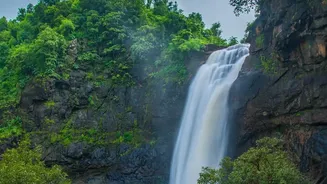
Across India, from the misty hills of the Western Ghats to the dense Sal forests of Jharkhand, the monsoon season signals the start of a treasure hunt. This isn't for gold, but for the incredible variety of wild edible mushrooms that spring to life in the damp,
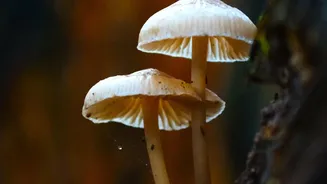
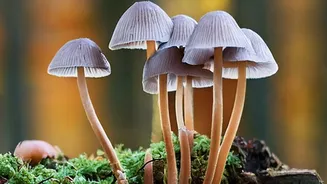
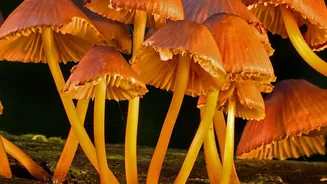
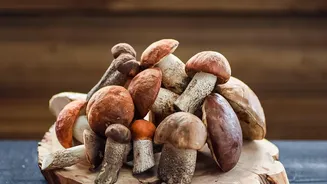
rain-soaked earth. Foraging, the practice of gathering wild food, has long been a tradition in indigenous communities, but it's now capturing the imagination of urban dwellers seeking a deeper connection with their food and the environment. The appeal is multi-layered: it's a culinary adventure, a lesson in ecology, and a chance to discover flavours that can't be found in any supermarket.
A Monsoon Bounty: What to Look For
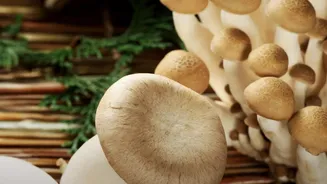
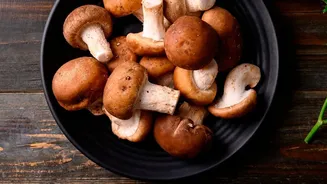
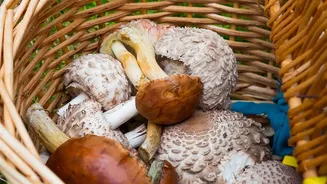
The diversity of India's wild mushrooms is staggering. One of the most prized varieties is the Termitomyces, which grows on termite mounds. Known as 'Olmi' in Goa and 'Alambi' in Karnataka, these meaty mushrooms are a monsoon delicacy. In Goa, a meal of Olmi is considered an essential part of the season. In Jharkhand and Chhattisgarh, foragers seek 'Rugda' or 'Putu', a dense, spherical mushroom often called 'vegetarian mutton' for its texture. The forests of Uttarakhand and Himachal Pradesh yield 'Gucchi' or morels, one of the most expensive mushrooms in the world, while the Konkan coast offers 'Gud Gud Alambe', or 'thunder mushrooms', believed to fruit after thunderstorms. These are just a few examples of the regional specialities that make foraging in India so unique.
The Forager's First Rule: Safety Above All
The world of wild fungi is as dangerous as it is delicious. For every tasty edible mushroom, there is often a toxic look-alike that can cause serious illness or even be fatal. This is why the single most important rule of foraging is to never eat a mushroom unless you are 100% certain of its identity. Generations of traditional knowledge have been the bedrock of safe foraging in tribal communities. For newcomers, this expertise is not optional; it's a necessity. The only safe way to begin is by accompanying an experienced local guide or a seasoned mycologist. They can teach you not just what to look for, but also what to avoid, and how to distinguish between similar-looking species.
A Guide to Responsible Foraging
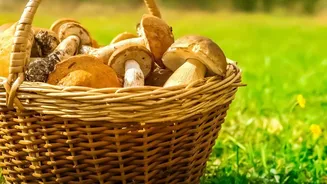
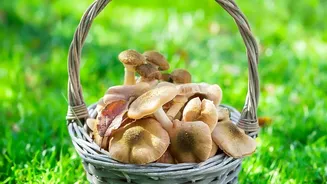
Beyond personal safety, responsible foraging is crucial for protecting the ecosystem. Over-harvesting can deplete local fungi populations and disrupt the delicate natural balance. To forage responsibly, always follow a few golden rules. First, only take what you need for personal use, leaving plenty behind. This ensures the mushrooms can release their spores and propagate for future seasons. Use a wicker basket or a mesh bag, which allows spores to disperse as you walk. Avoid picking very young 'button' stage mushrooms, as they are harder to identify and haven't had a chance to mature. Finally, respect the environment by treading lightly and leaving the habitat as you found it. Some regions and national parks may require permits, so always check local regulations before you go.
How to Get Started
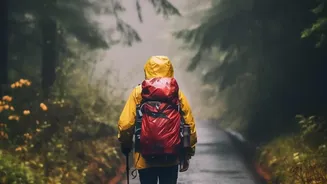
For those eager to try, the best entry point is through organised groups and workshops. Several eco-tourism outfits and naturalist groups across the country, particularly in regions like Goa, Karnataka, and Uttarakhand, offer guided mushroom foraging walks during the monsoon. These walks provide a safe, structured environment to learn from experts. Joining a local mycology group or online forum can also be a valuable resource for identifying finds and connecting with other enthusiasts. Institutions like Goa University have even started conducting workshops on mushroom identification and cultivation, highlighting the growing interest in the field. By learning from those with experience, you can turn a simple monsoon walk into a fascinating and flavourful adventure.