

The Rise of the Diner-Influencer
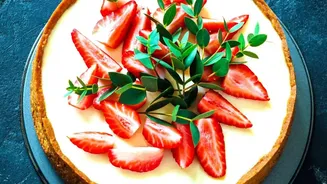
In today's digital age, traditional word-of-mouth has been supercharged by social media. Platforms like Instagram and TikTok have transformed the restaurant industry, where a single viral video of a well-plated dessert can drive hundreds of customers
through the door. Restaurateurs understand that every diner is a potential content creator, capable of generating free advertising that reaches thousands. This user-generated content is seen as authentic and trustworthy, creating social proof that entices new customers to visit. As a result, the visual appeal of a dish has become as crucial as its taste. Some studies even show that a majority of diners have chosen a restaurant for the first time based on a social media post.
The Economics of Being 'Instagrammable'
In a fiercely competitive market, standing out is everything. Designing 'Instagrammable' dishes and interiors is a core business strategy for attracting attention and driving sales. A visually striking dish isn't just a meal; it's a powerful marketing asset that increases online exposure and builds brand recognition. Some restaurants have seen their turnover nearly double after embracing a social media-forward strategy, leveraging everything from whimsical decor to over-the-top plating. This focus on shareable moments can be so effective that it can fill tables during off-peak hours through flash promotions and create buzz around new menu items, directly impacting the bottom line. In some cases, customers have indicated a willingness to spend more for a unique and memorable 'Insta-worthy' dining experience.
What Makes a Dish Shareable?
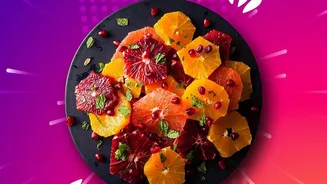
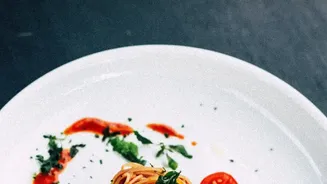
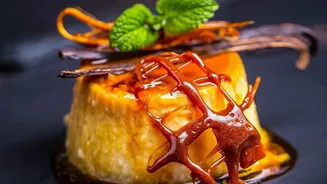
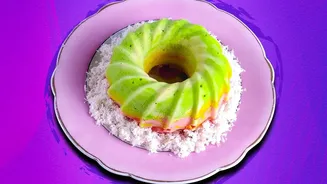
Creating a shareable dish is both an art and a science. Chefs now think like creative directors, focusing on elements that pop on a phone screen. Key ingredients include vibrant colours, artistic sauce smears, and surprising textures. Asymmetry is often preferred over centered plating because it looks more artistic. Interactivity is another major factor; dishes that involve the diner, such as pouring a sauce, breaking open a sphere, or a dramatic 'cheese pull', are highly likely to be filmed and shared. Even the plates and glassware are chosen to create an inherently photogenic experience that encourages guests to become organic content creators. However, some research suggests that while unique foods get attention, it's often familiar and easily recognizable foods presented beautifully that garner the most positive engagement.
The Chef as a Content Creator
The trend has also reshaped the role of the chef. Many have embraced social media, building personal brands that extend far beyond their restaurant's kitchen. By showcasing their craft, sharing behind-the-scenes moments, and posting beautifully styled food photos, chefs become influencers in their own right. This online presence can lead to brand collaborations, recipe licensing deals, and new job opportunities. Some chefs now earn more from content creation than from their restaurant shifts. This fusion of culinary skill and digital storytelling means a chef's portfolio is no longer just their menu, but also their social media feed.
Taste vs. Visuals: Finding the Balance
A common criticism of the 'Instagrammable' food trend is that it can prioritize appearance over flavour. However, the most successful restaurants understand that a dish must deliver on both fronts. A beautiful plate might earn a like, but only a delicious meal will earn a repeat customer. Interestingly, some psychological studies suggest that the act of photographing a meal can actually enhance the dining experience. The anticipation built while trying to capture the perfect image can make the food seem tastier. Shared plates also play into this social dining trend, encouraging interaction and allowing groups to sample a wider variety of a restaurant's offerings, turning the meal itself into a more communal and memorable event.