




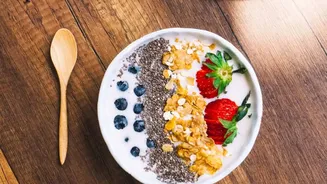
The Gold Standard: Whole Fruits
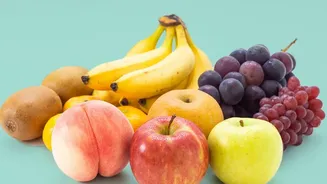
Eating fruit in its natural, unprocessed form is the benchmark for nutrition. When you eat a whole apple or a handful of berries, you get the complete package: water, vitamins, minerals, and, most importantly, fibre. The fibre is contained within the fruit's
cell walls, acting like a natural scaffold. This structure is crucial because it slows down digestion. Your body has to work to break it down, which means the natural sugars (fructose) are released into your bloodstream gradually. This prevents the sharp blood sugar spikes that can lead to energy crashes and cravings later on. Furthermore, the fibre and bulk of whole fruit contribute to a feeling of fullness, or satiety, which helps regulate appetite and can prevent overeating. Many valuable nutrients and antioxidants are also found in the skin and pulp, which are fully consumed when you eat the fruit whole.
The Liquid Extract: The Case for Juice
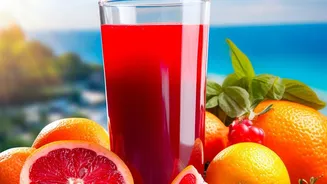
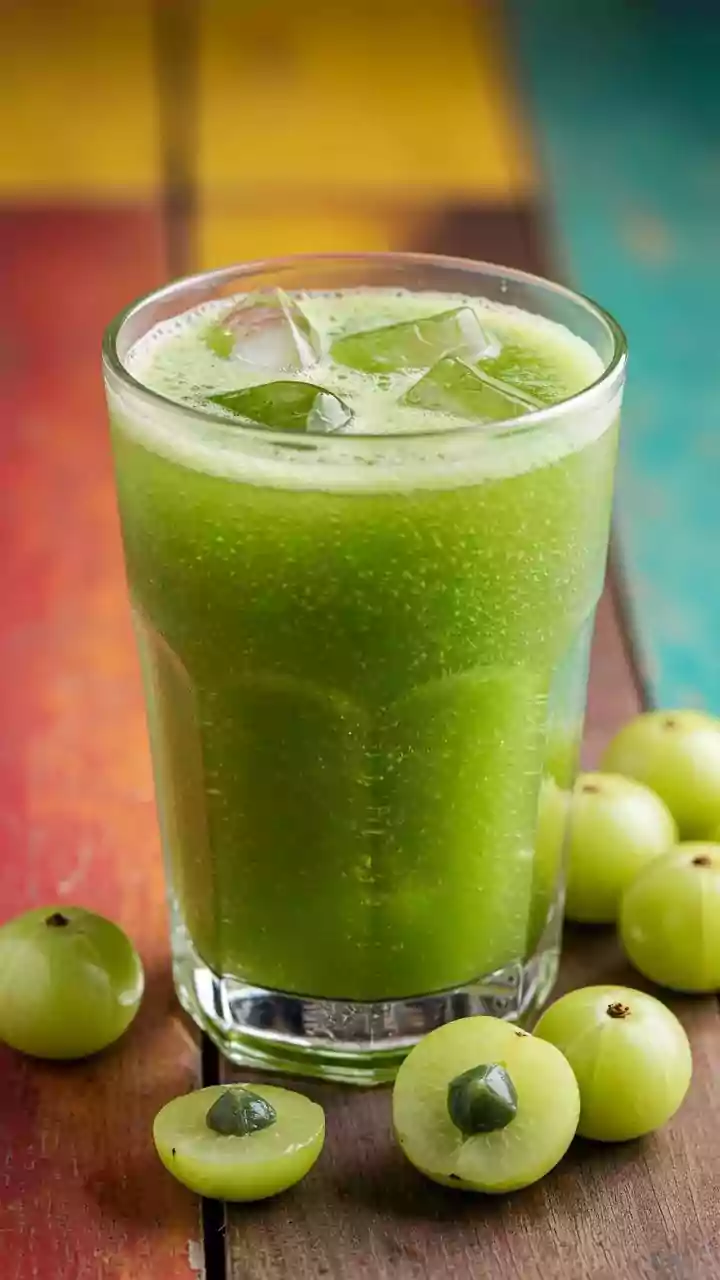
Juicing is an extraction process. A machine separates the liquid from the solid parts of the fruit—the pulp, skin, and seeds are discarded. The result is a concentrated liquid packed with water, vitamins, and minerals that are very quickly and easily absorbed by the body. However, this efficiency comes at a cost. The most vital component left behind is the fibre. With virtually no fibre to slow things down, the concentrated sugar in juice hits your bloodstream all at once, which can cause a rapid spike in blood sugar. This can be a concern for blood sugar management. Studies have associated high consumption of fruit juice with less favourable health outcomes compared to other forms of fruit intake. Because juice lacks the bulk of fibre, it's also not very filling. It's easy to consume the juice of several oranges in a single glass, delivering a significant amount of sugar and calories without the same feeling of fullness you'd get from eating a single orange.
The Blended Option: Where Smoothies Fit In
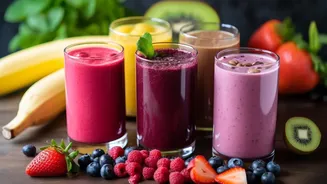
A smoothie occupies the middle ground. Unlike juicing, blending uses the entire fruit, skin and all (when edible). The blender's blades pulverize the fruit's structure, but the key difference is that the fibre is retained in the final drink. While the fibre is broken into smaller pieces, it is still present and offers benefits for digestion and satiety. Because all the components are there, smoothies are nutritionally much closer to whole fruit than to juice. They are more filling than juice and generally cause a more gradual rise in blood sugar, though this can be influenced by the ingredients. A smoothie made with just fruit will still contain a lot of sugar. However, the format allows you to add other ingredients like vegetables (spinach, kale), healthy fats (avocado, nut butter), and protein (yoghurt, protein powder), which can create a more balanced, satisfying, and nutrient-dense meal.
Fibre, Sugar, and Satiety: The Final Verdict
When comparing the three, the main differences come down to fibre content, impact on blood sugar, and how full they make you feel. Whole fruit is the undisputed winner for fibre, which promotes gut health and slow sugar absorption. Smoothies come in a strong second, as they retain all the fibre from the blended ingredients. Juice lands in a distant third, with most of the beneficial fibre removed during processing. In terms of blood sugar, whole fruits provide the most gentle response. Smoothies are next, though a fruit-only smoothie can still be sugary. Juice, lacking fibre, provides the fastest sugar rush. For satiety, the story is similar. The fibre in whole fruits and smoothies makes them far more filling than juice. Some studies suggest that the feeling of fullness is greatest with solid food, making a whole fruit the most satisfying option. Ultimately, whole fruit should be your first choice for daily nutrition. Smoothies can be a healthy, convenient option, especially when balanced with protein and greens. Juice is best consumed in moderation as an occasional treat rather than a replacement for whole fruit.