




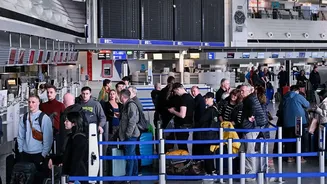
A Damper on Demand
According to SITA's 2026 Passenger IT Insights report, the stress associated with air travel has reached a point where it is actively suppressing demand. The survey, which included nearly 8,000 travelers across 24 countries, delivered a startling headline
statistic: 42% of passengers have decided against booking a trip specifically because they anticipated the journey would be too stressful. This finding suggests a significant pool of potential revenue is being lost not due to high fares or a lack of destinations, but because the process of getting from Point A to Point B has become a powerful deterrent.
Who Is Opting Out?
The trend is particularly pronounced among the industry's most valuable and emerging customer segments. A staggering six in ten frequent flyers—those who travel more than ten times a year—admitted to abandoning a trip over expected stress. Similarly, more than half of travelers under the age of 30, the next generation of core customers, have also been put off. This indicates a critical issue for airlines and airports, as the very people who are supposed to be driving growth are the ones most likely to be discouraged by the current state of the travel experience. The loss of these high-frequency and young travelers poses a long-term threat to the industry's recovery and expansion.
The Anatomy of Travel Anxiety
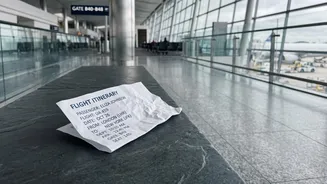
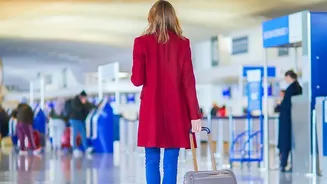
So, what exactly is causing this widespread stress? The SITA report pinpoints a few key culprits that travelers consistently find frustrating. The most common stressors are operational: flight delays and cancellations, long waiting times and queues, and anxiety over baggage handling. According to SITA's CEO, David Lavorel, most of these issues boil down to a single core problem: a lack of information and not knowing what will happen next. This uncertainty creates a sense of powerlessness that erodes passenger confidence. Worryingly, the report also found that one-third of travelers now feel anxious in the period between clearing security and boarding the plane, a threefold increase from 2023.
Is Technology the Solution?
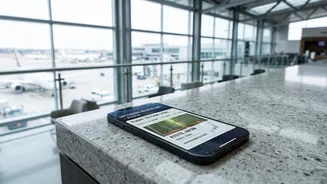
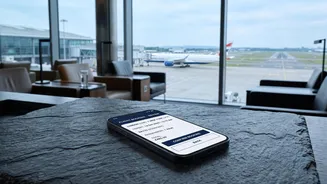
While parts of the travel process create stress, passengers overwhelmingly believe that technology holds the key to alleviating it. Eight out of ten travelers surveyed think technology can significantly reduce the stress of air travel. The most sought-after solutions involve providing passengers with visibility and control. Real-time updates sent to mobile phones, live information on security wait times displayed on airport screens, and clear directions during disruptions are a few examples. Passengers are calmest during check-in and boarding, stages where the journey is 'already on their phone'. The goal is to extend that feeling of informed control to the entire journey. Interestingly, 40% of travelers said they would trust real-time updates delivered by AI, showing an openness to automated solutions that provide clarity.
The Commercial Cost of a Bad Experience
The impact of stress isn't just about lost ticket sales; it also affects lucrative airport retail revenues. The SITA report notes that 37% of passengers would be encouraged to spend more in airport shops and restaurants if the journey were less stressful, a figure that jumps to 45% among frequent flyers. As SITA's CEO puts it, 'Every trip we win back is a seat filled, a parking space sold and a coffee bought'. By failing to address these friction points, the industry is leaving a substantial amount of money on the table. The report highlights the United Arab Emirates as a positive case study, where high-tech adoption at border control has correlated with significantly lower reported negative emotions from passengers compared to the global average.