




The First Line of Defence: The Co-Pilot
Every commercial flight operates with at least two fully qualified pilots: a Captain and a First Officer (or co-pilot). Both are completely capable of flying and landing the aircraft alone. If one pilot becomes incapacitated, the other is trained to immediately
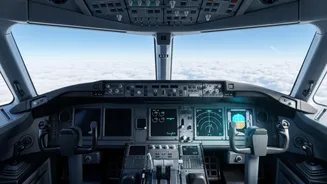
take full control. The standard procedure involves the remaining pilot verbally declaring, "I have control," to establish command. Their first priority is to ensure the aircraft is stable and flying safely, often by engaging the autopilot to manage workload. They will then assess the situation and initiate emergency protocols. This two-pilot system is the most critical safety feature, ensuring that a single medical event doesn't jeopardize the flight.
Declaring an Emergency with Air Traffic Control
With the aircraft under control, the next step is communication. The remaining pilot will contact Air Traffic Control (ATC) and declare an emergency. This is typically done using the distress call "Mayday" or the urgency call "Pan-Pan." Declaring an emergency immediately gives the flight priority over all other air traffic. ATC controllers are trained to assist, clearing airspace for the aircraft, providing vectors to the nearest suitable airport, and coordinating with emergency services on the ground, such as fire and medical teams. The pilot will provide crucial information like the nature of the emergency, fuel onboard, and the number of people on the aircraft.
The Crucial Role of the Autopilot
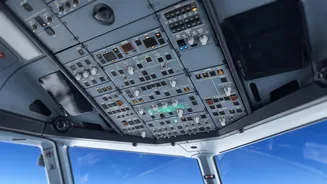
The autopilot is more than just a cruise control for the sky; it's a sophisticated system that becomes invaluable during an emergency. It can maintain the aircraft's heading, altitude, and speed, freeing up the lone pilot to focus on other critical tasks like communicating with ATC, running checklists, and preparing for landing. Many modern aircraft are also equipped with an "autoland" system. This technology can automatically guide the plane through an entire landing sequence, from approach to touchdown and even rollout on the runway, provided the destination airport has the necessary equipment. While normally used for landings in poor visibility, autoland can be a lifesaver in a pilot incapacitation scenario, significantly reducing the pilot's workload during the most critical phase of flight.
Cabin Crew: More Than Just Service
Flight attendants are highly trained safety professionals, and their role in a cockpit emergency is vital. Upon being alerted by the pilot, a senior cabin crew member will be called to the flight deck. Their job is not to fly the plane—they do not receive pilot training. Instead, they assist the remaining pilot. This can involve securing the incapacitated crew member so they don't interfere with the controls, administering first aid, and relaying information to the rest of the cabin crew. They will also ask if there are any medically qualified passengers on board to assist. In some procedures, a flight attendant may be required to remain in the cockpit to assist the pilot and ensure security protocols are followed, such as the two-person cockpit rule.
What About Cockpit Security?
The days of passengers visiting the cockpit mid-flight are long gone. Since the September 11, 2001 attacks, cockpit security has been dramatically enhanced worldwide. Cockpit doors are now heavily reinforced and bullet-resistant, designed to prevent forcible intrusion. These doors remain locked throughout the flight. Access is strictly controlled, and procedures are in place to ensure the door is only opened when necessary and secure. This prevents any external disruption from reaching the pilots, ensuring the integrity of the flight deck remains intact even if there is a disturbance in the passenger cabin.
The Unthinkable: Both Pilots Incapacitated
The scenario where both pilots become incapacitated is exceedingly rare, largely due to rules preventing pilots from eating the same meal to avoid shared food poisoning. However, if it were to happen, the autopilot would continue to fly its programmed route. Flight attendants would be tasked with using the radio to communicate the dire situation to ATC. From there, a complex ground-assisted operation would begin. It's theoretically possible for ATC, with the help of another pilot on the radio, to talk someone through the basics of overseeing the autopilot. In some newer, smaller aircraft, 'emergency autoland' systems exist that can be activated by a passenger with a single button press, which then commands the plane to find a suitable airport and land itself.