




The Foundation: Strategic Outfit Planning
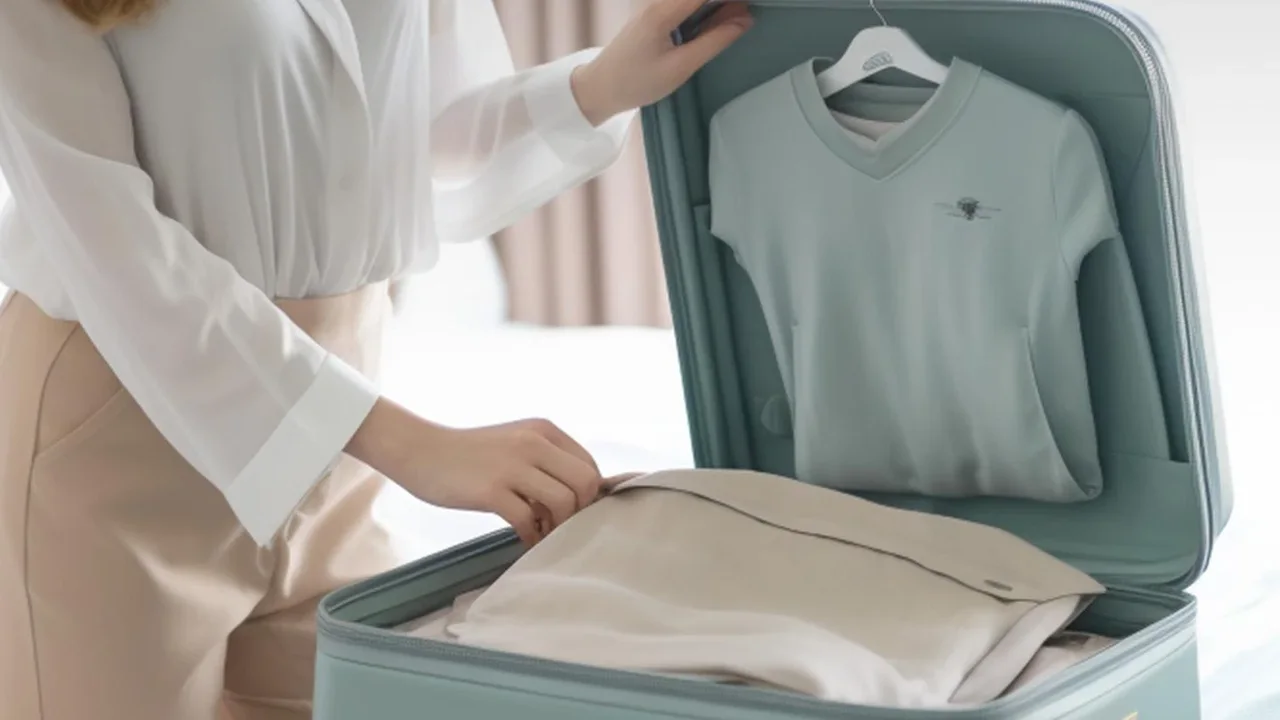
The secret to efficient packing begins before you even open your suitcase. Instead of packing individual outfits for each day, think in terms of a capsule wardrobe. Select versatile pieces that can be mixed and matched. Choose a core colour palette and pack items
that complement each other. For a ten-day trip, this could mean three bottoms (trousers, a skirt) and five to six tops that work with all of them. This drastically reduces the number of items you need. When it comes to heavy outfits like anarkalis or sherwanis, choose one or two statement pieces and plan to re-wear them or style them differently. Remember, no one at the event will notice if you wear the same elegant trousers with a different kurta and dupatta.
To Roll or to Fold? That Is the Question
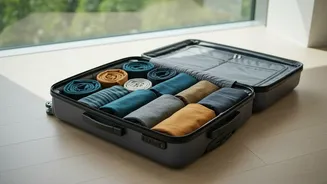
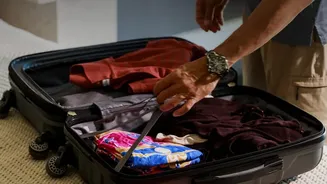
The age-old debate of rolling versus folding has a simple answer: it depends on the fabric and garment. For most of your clothes—like t-shirts, casual trousers, and pyjamas—rolling tightly is the superior method. It compresses the fabric, saves significant space, and minimises wrinkles. For more structured items like blazers, formal shirts, or delicate fabrics, folding is better. Lay them flat and fold as neatly as possible. When it comes to heavy Indian ethnic wear, a hybrid approach often works best. A heavy lehenga skirt, for example, should be turned inside out to protect the embroidery, then folded loosely along its natural seams. Never create sharp creases in embellished fabric.
The Magic of Packing Cubes
If you are not using packing cubes, you are missing out on the single most effective space-saving tool. These zippered fabric containers not only compartmentalise your luggage but also compress your clothing. For maximum efficiency, consider compression packing cubes, which feature an extra zipper that squeezes out excess air. Designate different cubes for different categories: one for tops, one for bottoms, one for undergarments, and one for your heavier event wear. This organisation prevents you from rummaging through your entire suitcase to find one item. When you arrive, you can simply transfer the cubes directly into the hotel wardrobe, making unpacking a breeze.
Special Handling for Ethnic Wear
Heavy Indian outfits require special attention to prevent damage and wrinkles. For sarees, especially silk or chiffon, rolling is far better than folding. You can roll the saree with acid-free tissue paper or butter paper placed between the layers to prevent the delicate fabric from snagging or creasing. For a bulky lehenga, after turning it inside out and folding it, place it at the bottom of your suitcase as a flat base. The blouse (choli) should be packed separately, with its cups stuffed with socks or tissue paper to maintain its shape. Delicate dupattas with embroidery or sequins should be loosely rolled, never folded tightly, to prevent the embellishments from leaving imprints on the fabric.
Utilise Every Nook and Cranny
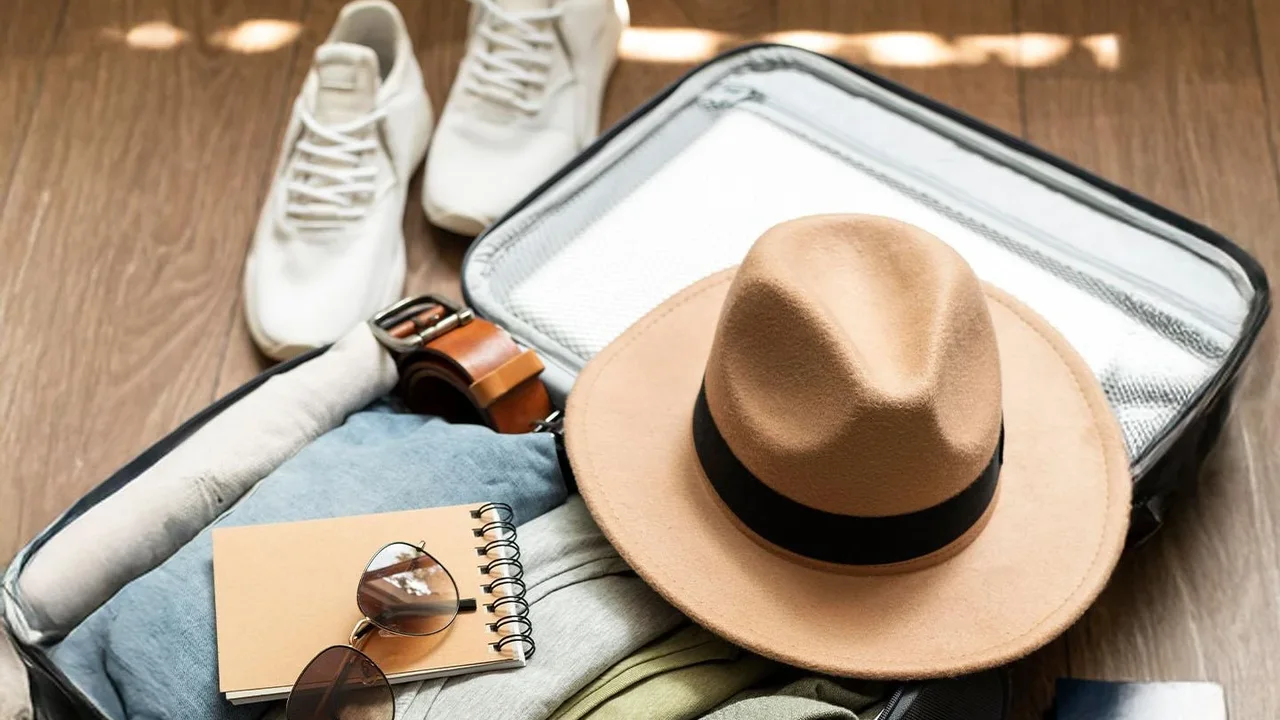
Truly efficient packing means no wasted space. Your shoes, for instance, are not just footwear; they are potential storage containers. Stuff them with socks, chargers, or small, fragile items to both save space and help the shoes keep their shape. Line the perimeter of your suitcase with belts, rolled-up dupattas, or scarves. Any small gaps that appear after your main items and packing cubes are in place can be filled with smaller pieces of clothing or accessories. This not only maximises your space but also creates a denser, more stable pack where items are less likely to shift and wrinkle during transit.
Wear Your Heaviest Items
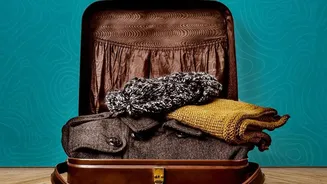
This is one of the most classic and effective travel hacks for a reason. Your bulkiest items should be on your body, not in your bag. If you are travelling to a colder climate, wear your heaviest jacket, sweater, and boots on the plane. The same applies to a heavy shawl or a structured blazer. It might feel a little cumbersome during boarding, but it will free up an astonishing amount of space and weight in your carry-on. Once you are seated on the plane, you can easily remove the jacket and store it in the overhead bin. This simple act can be the difference between fitting everything into your carry-on and having to check a bag.