

1. Ridge Gourd Peel Chutney
In many kitchens, the fibrous peel of the ridge gourd (turai or peerkangai) is the first thing to go in the bin. But in South India, it’s the star of a punchy chutney called 'Peerkangai Thogayal'. The peels are roasted with lentils, red chillies, garlic,
and tamarind, then ground into a coarse, flavourful paste. This chutney has a slightly charred, smoky flavour and a nutty texture from the lentils, making it a perfect accompaniment to hot rice and ghee. It’s a brilliant example of finding flavour where most people see waste.
2. Banana Stem Stir-Fry
The inner stalk of a banana plant, known as vazhaithandu in Tamil or 'banana stem', is often overlooked due to the effort required to prepare it. After peeling away the tough outer layers, you're left with a fibrous, crunchy core that’s incredibly healthy. A classic South Indian 'Poriyal' transforms this ingredient. Finely chopped banana stem is sautéed with a tempering of mustard seeds, lentils, curry leaves, and dried chillies, then finished with a generous amount of fresh grated coconut. The result is a delightfully crunchy, mild, and nutritious side dish.
3. Jackfruit Seed Curry
After feasting on sweet, fleshy jackfruit, many people discard the large seeds inside. However, these seeds are a versatile and starchy vegetable in their own right, with a nutty flavour reminiscent of potatoes or chestnuts. Once boiled and peeled, they are used in a variety of dishes, especially in Kerala and Bengal. A simple but hearty curry (Chakka Kuru Erissery or Kathal Bichi'r Dalna) involves cooking the seeds in a fragrant coconut-based gravy with spices. The seeds become tender, absorbing the flavours of the curry while adding a unique, satisfying texture.
4. Fish Head Curry (Muri Ghonto)
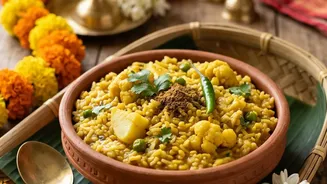
In Bengal, the fish head (muri or muro) is not just considered edible but a delicacy packed with flavour. Muri Ghonto is a celebrated dish where the head of a large carp like Rohu or Katla is the hero. The fish head is fried until crisp, then broken up and slow-cooked with potatoes and fragrant Gobindobhog rice in a rich, spicy gravy. The rice absorbs all the rich flavours from the fish head and spices, creating a dry, aromatic pilaf-like dish that is a true testament to nose-to-tail cooking.
5. Bottle Gourd Peel Sabzi
The peel of a bottle gourd (lauki or ghiya) is another common kitchen scrap that gets a second life in many Indian homes, particularly in North India and Bengal. Instead of being thrown away, the peels are finely chopped and stir-fried into a delicious 'sabzi' or 'bhaja'. Often cooked with potatoes and simple spices like mustard seeds, turmeric, and chilli powder, the peels develop a surprisingly tender texture and absorb the surrounding flavours beautifully. It’s a simple, rustic dish that embodies the philosophy of using every part of the vegetable.
6. Watermelon Rind Curry
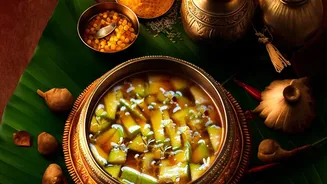
The thick white rind of a watermelon, sandwiched between the green skin and red fruit, is completely edible and surprisingly versatile. In regions like Gujarat and Rajasthan, it's used to make a tangy and slightly sweet curry known as 'Tarbooz ke Chilke ki Sabzi'. The rind, chopped into cubes, has a texture similar to a cucumber and readily soaks up the flavours of spices like cumin, turmeric, and dried mango powder (amchur). Cooked until tender, it becomes a refreshing and unique side dish, proving that summer's favourite fruit has more to offer than just its juicy flesh.
7. Cauliflower Stem Sabzi (Danthal ki Sabzi)
The thick, fibrous stems and leaves of a cauliflower head are often trimmed and discarded. But in Punjabi and other North Indian homes, these 'danthal' are the main ingredient in a flavourful sabzi. The tough outer skin of the stems is peeled, and the inner core is chopped and cooked, often with potatoes, into a hearty dish. The stems are surprisingly flavourful and have a pleasant, firm bite even after cooking. This practice turns what is typically food waste into a nutritious and delicious part of the meal.
8. Moringa Leaf Thoran
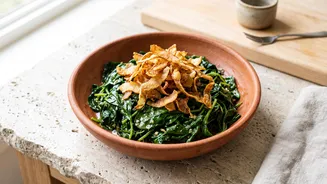
While the drumstick (moringa) is a popular vegetable, its leaves (murungayila) are a superfood often available right in the backyard but sometimes overlooked in urban markets. In Kerala, these tiny, nutrient-packed leaves are transformed into 'Moringa Leaf Thoran', a simple and quick stir-fry. The leaves are gently cooked with a tempering of mustard seeds, chillies, and finished with a generous heap of grated coconut. The slightly bitter, astringent taste of the leaves is balanced by the sweetness of the coconut, creating a dish that is both healthy and deeply traditional.