






What is E20 Fuel?
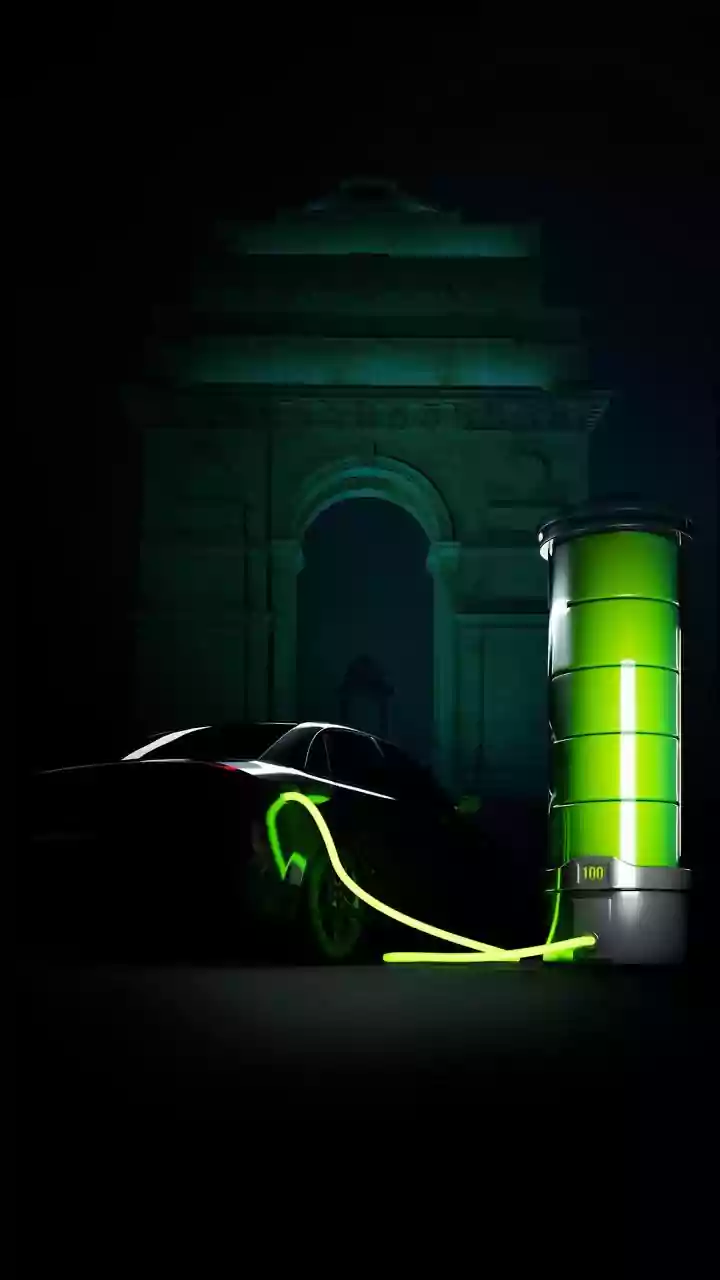
First, a quick primer. E20 is a fuel blend containing 20% ethanol and 80% petrol. Ethanol is a biofuel, typically produced in India from agricultural sources like sugarcane and maize. The Indian government is championing this blend as part of its National
Policy on Biofuels, making E20 the new standard at petrol pumps across the country. The goal is to reduce dependency on imported crude oil, cut down on carbon emissions, and support farmers' incomes. This policy has positioned India among a handful of nations, like Brazil, that are aggressively pursuing higher ethanol blending.
A Smart, Future-Proof Purchase
For young buyers, many of whom are purchasing their first car, the decision to opt for an E20-compatible model is a highly pragmatic one. With the government's clear roadmap, E20 is no longer an alternative fuel; it's the mainstream. Buying a car that isn't E20-compliant today means facing potential issues down the line. While manufacturers state older cars can run on E20 with minor maintenance, experts acknowledge that prolonged use in non-compatible engines can accelerate the wear of rubber and plastic components in the fuel system. By choosing a vehicle designed for E20, young buyers are essentially future-proofing their investment, ensuring better performance, avoiding potential long-term damage, and protecting the car's resale value.
The Eco-Conscious and Wallet-Conscious Buyer
The appeal of E20 cars for the younger demographic extends beyond just practicality. There is a growing environmental consciousness among this group. The knowledge that E20 fuel burns cleaner and reduces greenhouse gas emissions resonates with buyers who want to make more sustainable choices. While the primary motivation might not be purely altruistic, it aligns neatly with financial sense. E20 fuel has a slightly lower energy density than pure petrol, which can lead to a marginal drop in mileage. However, the government's push is also aimed at stabilising long-term fuel prices by reducing reliance on volatile international oil markets. For a young buyer managing a budget, the combination of contributing to a cleaner environment while hedging against future fuel price shocks makes a compelling case.
Automakers Have Made it Easy
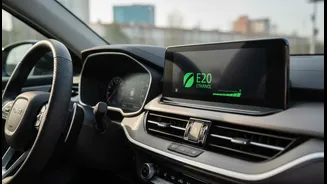
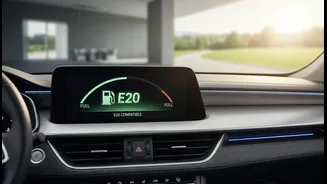
The auto industry has been quick to adapt. Since April 2023, nearly all major manufacturers in India—including Maruti Suzuki, Hyundai, Tata Motors, and Toyota—have been rolling out E20-compliant models. From the popular Maruti Swift and Hyundai i20 to the Tata Punch, E20 compatibility is now a standard feature, not a premium add-on. Car makers prominently display 'E20-compliant' stickers on the fuel caps and in manuals, making it easy for customers to identify and choose these vehicles. This widespread availability means buyers don't have to hunt for a special 'green' car; their preferred model is likely already prepared for the new fuel standard, removing any friction from the decision-making process.