


Your Backpack Is Not Waterproof
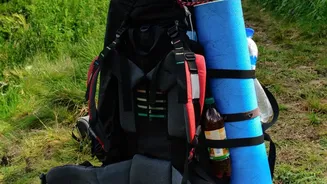
This is the first and most crucial rule of monsoon trekking. Most backpacks are water-resistant, which might handle a brief shower, but not the sustained downpours common in the Ghats. Water will eventually seep through seams and zippers. Your primary
defence is a two-part system: an external rain cover and internal waterproofing. The rain cover is your first shield, but for 100% protection, everything inside must be safeguarded too. Think of the rain cover as a first line of defence, not the only one.
Embrace the Layered Packing System
The secret used by experienced trekkers is layering your packing, just like you layer your clothes. Don't just dump your items into your backpack. First, sort your gear into categories: clothes, electronics, food, and toiletries. Then, place each category into its own separate plastic bag or, even better, a dedicated dry bag. These smaller bags are then placed inside a large, heavy-duty plastic bag that lines your entire backpack. This three-layer system ensures that even if your pack and its rain cover get soaked, your essentials remain perfectly dry.
Invest in Quality Dry Bags
While plastic bags can work in a pinch (a classic 'jugaad' method), reusable dry bags are a worthwhile investment for any serious trekker. These are lightweight, durable, and feature a roll-top closure that creates a truly watertight seal. Use a large one as a pack liner and smaller ones to compartmentalise your gear. Dedicate one specific dry bag for a complete set of dry clothes—t-shirt, pants, and socks. This bag should remain sealed until you reach your campsite for the night. Changing into warm, dry clothes is critical for comfort and preventing hypothermia.
Safeguard Your Electronics Meticulously
Water can instantly destroy phones, cameras, and power banks. A simple zip-lock bag is the bare minimum for your phone. For better protection, use specialised waterproof pouches that still allow you to use the touchscreen. For camera batteries and power banks, double-bagging in zip-locks is a good idea. For extra security, toss a few silica gel packets into your electronics bag; they absorb ambient moisture and condensation that can build up from humidity alone. Remember to keep these items in the most protected, central part of your pack.
Choose Fabrics That Work, Not Cotton
What you wear is as important as how you pack. Cotton is your enemy during the monsoon. It absorbs moisture, takes an incredibly long time to dry, and will leave you feeling cold and damp, which can be dangerous. Instead, pack quick-drying synthetic fabrics like polyester and nylon for your t-shirts and trekking pants. These materials wick moisture away from your skin and will dry much faster if you get caught in a shower, keeping you comfortable on the trail.
Don't Neglect Your Feet and Footwear
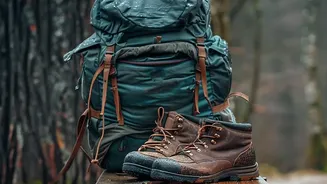
Wet feet can lead to blisters and a miserable trekking experience. While waterproof boots sound like a great idea, in the continuous rain of the Western Ghats, water often runs down your legs and gets trapped inside, creating a personal foot-swamp. A better approach for many is to use non-waterproof trekking shoes with excellent grip that drain water quickly, paired with waterproof socks. Also, gaiters—fabric guards that cover the top of your boots—are a non-negotiable item. They prevent water, mud, and leeches from getting into your shoes in the first place.