






The Science of Fading
To understand why water temperature is so crucial, you first need to know how hair color works. Your hair shaft is covered in tiny, overlapping scales called the cuticle. When you color your hair, these cuticles are lifted to allow the dye molecules to penetrate
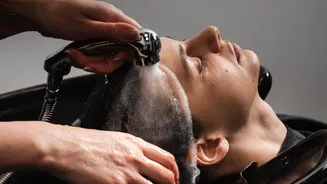
the hair's core. The problem is, they can also lift every time you wash your hair. Hot water is particularly effective at opening up these cuticles. While this is great for allowing shampoo to get in and clean thoroughly, it also creates an escape route for those precious color molecules. Every hot wash literally sends a bit of your color down the drain, leading to faster fading and dullness.
The Cold Water Solution
This is where a cold or cool rinse comes to the rescue. Just as heat opens the cuticle, colder water helps it contract and lie flat. By finishing your shower with a blast of cool water, you are effectively sealing the cuticle, which helps to lock in both moisture from your conditioner and the color pigments inside the hair shaft. Hairstylists have recommended this trick for years, noting that clients who commit to cooler rinses see their color last noticeably longer. Beyond preserving color, a sealed cuticle reflects light more evenly, resulting in smoother, shinier hair with less frizz.
Lukewarm: The Happy Medium
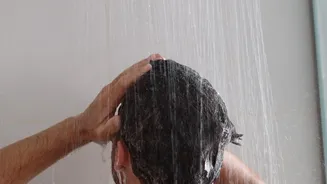
The idea of an ice-cold shower, especially on a chilly morning, is enough to make anyone hesitate. The good news is that you don’t need to suffer for your hair. Most experts agree that lukewarm water is a fantastic compromise. It's gentle enough that it won't aggressively strip your hair of its color and natural oils, but still comfortable for your wash routine. The most popular and practical method is to wash and condition your hair with lukewarm water, and then, right before you step out, switch to a cooler temperature for a final 30-second rinse. This gives you the cleansing benefits of warmth and the sealing benefits of cold without the shock.
Is It Just a Myth?
While the idea that cold water 'seals' the cuticle is a popular and useful way to think about it, the science is a little more nuanced. Some research suggests the hair cuticle, being dead tissue, doesn't open and close like pores on your skin. However, what is scientifically supported is that hot water causes the hair shaft to swell more intensely, which can lift the cuticle scales and strip protective oils. Cooler water is simply gentler on the hair structure, causing less swelling and disturbance. So, while it may not be a perfect 'seal', a cooler rinse is undeniably a gentler way to treat delicate, color-processed hair, which helps preserve its integrity and color.
More Low-Cost Color Savers
Lowering the water temperature is a game-changer, but you can enhance its effects with a few other simple habits. First, try to wash your hair less frequently. Two to three times a week is often ideal for color-treated hair, as every wash contributes to some color loss. When you do wash, use a sulfate-free shampoo. Sulfates are harsh detergents that can strip color and moisture from your hair. Finally, protecting your hair from heat styling and UV exposure can make a huge difference, as both can break down color molecules.