

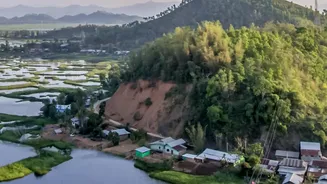
The dream of escaping the city's chaos for a home nestled in nature is no longer just a fantasy. A growing number of Indians are seeking out exclusive wildlife enclaves, driving a trend that redefines luxury, travel, and our connection to the wild.
What Are Wildlife Enclaves?
The
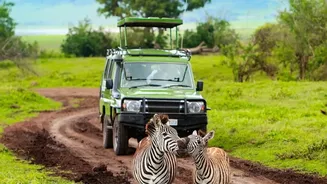
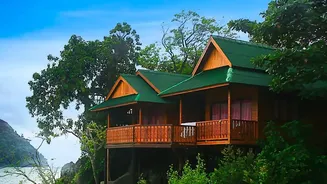
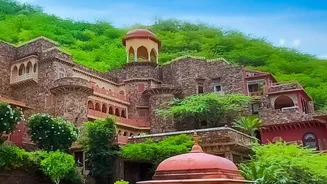
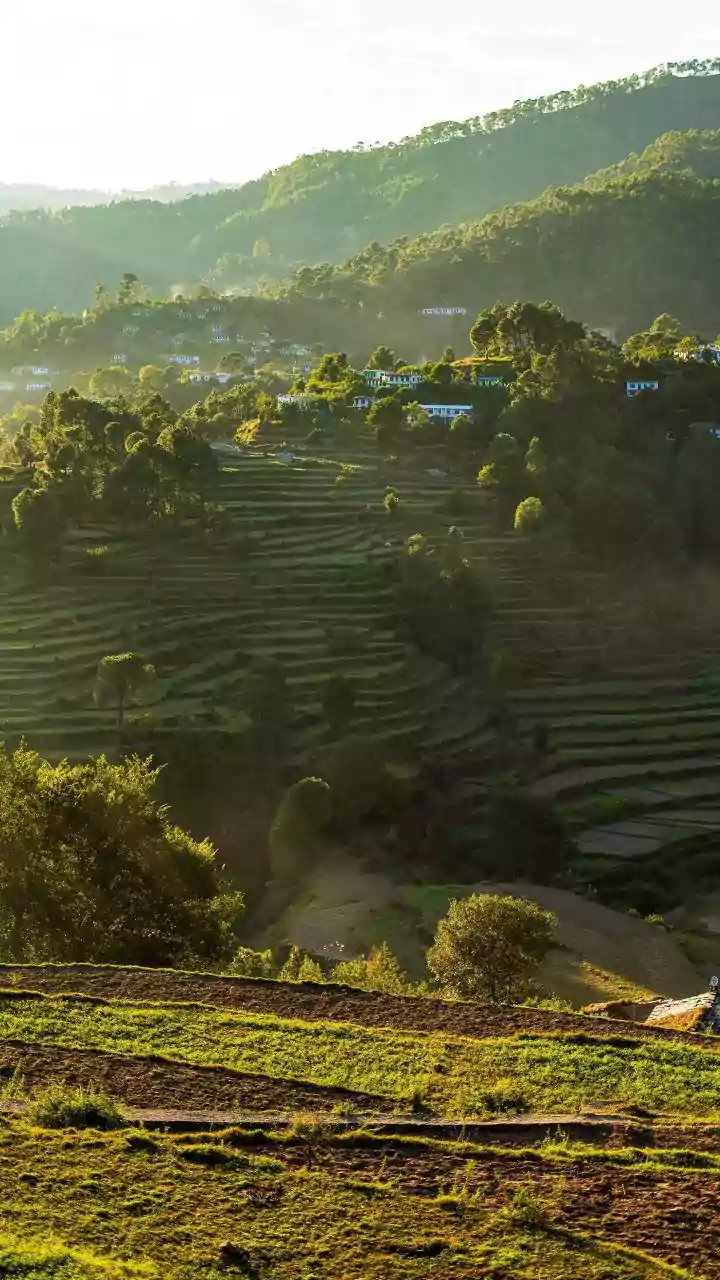
term 'wildlife enclave' doesn't refer to a single type of property. It broadly covers a range of developments situated on the periphery of national parks, tiger reserves, and other protected forests. These can be luxurious eco-lodges, private villas, or gated communities offering a unique blend of high-end living and immersion in nature. Unlike a typical holiday resort, these enclaves often emphasise a deeper, more permanent connection to the environment. They cater to those who want more than just a fleeting safari trip; they desire a lifestyle where wilderness is right at their doorstep, offering tranquility, privacy, and a sense of escape that crowded urban centres cannot provide.
The Pandemic-Driven Push to Nature
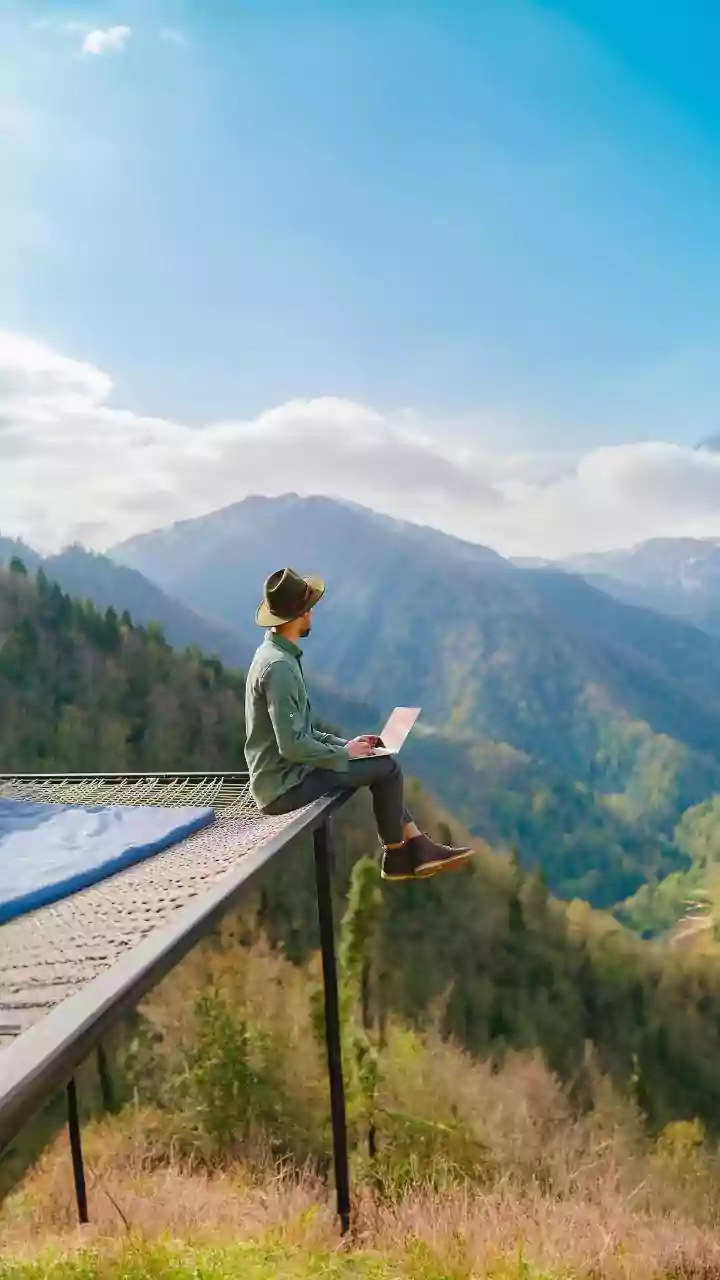
The COVID-19 pandemic acted as a massive catalyst for this trend. Prolonged lockdowns and the shift to remote work left many urban dwellers craving space, clean air, and a break from the concrete jungle. This has led to a surge in 'wellness tourism', with travellers actively seeking experiences that promote mental and physical well-being. The search for holidays that help reduce stress and improve health has made nature-based stays incredibly popular. For those with the means, this desire evolved from temporary getaways to seeking second homes in serene, natural surroundings, making wildlife enclaves a highly attractive proposition.
Redefining Luxury: Experience Over Opulence
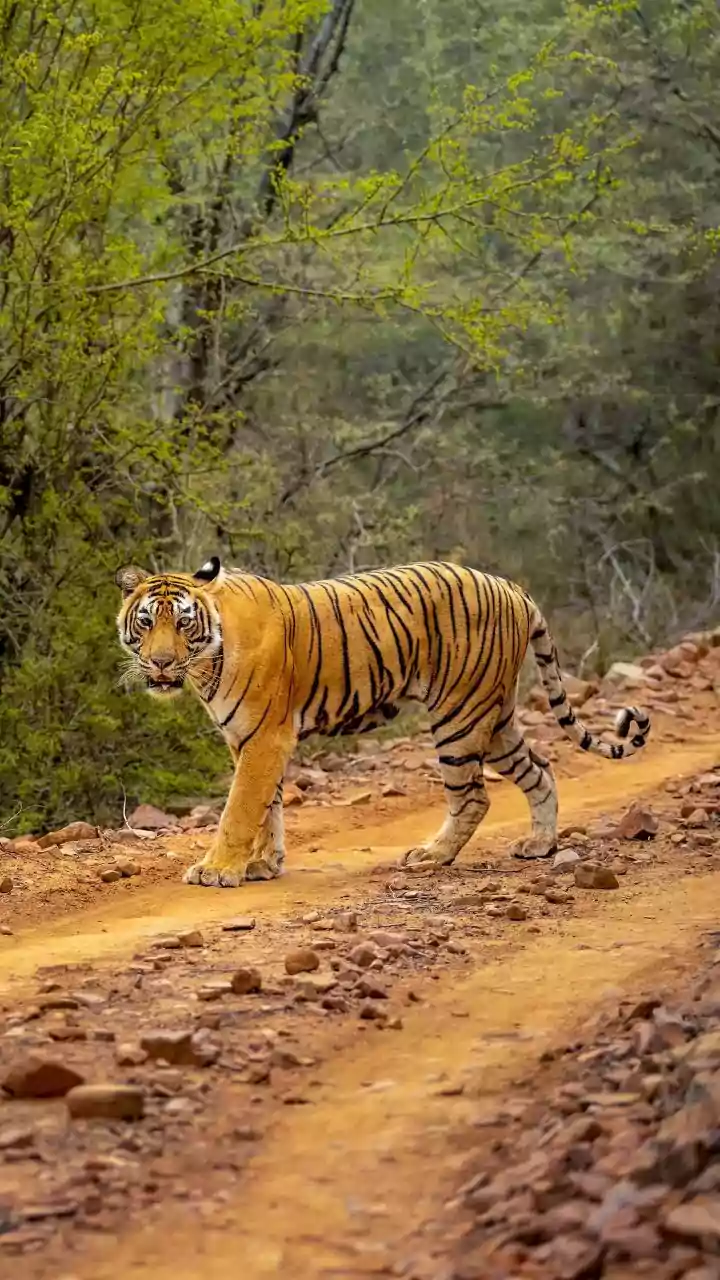
The concept of luxury itself is undergoing a transformation in India. For a growing segment of affluent buyers, true luxury is no longer about ostentatious displays of wealth but about unique, authentic, and personalised experiences. Instead of another city apartment, the new status symbol is a home with a view of the Aravallis or a backyard that opens into a buffer zone of a tiger reserve. This shift is part of a larger 'wild-luxe' trend, where discerning travellers prioritise rare landscapes and conservation-linked stays over conventional five-star hotels. These enclaves offer exactly that: exclusivity, bespoke experiences like private guided treks, and the priceless feeling of being connected to the natural world.
The Sustainability and Conservation Angle
Many of these developments are built on a platform of sustainability and eco_consciousness. The modern luxury traveller in India is increasingly aware of their environmental footprint. In response, many wildlife resorts and lodges are adopting green practices like solar power, water conservation, and farm_to_table dining using locally sourced organic produce. Some even directly contribute to conservation by reforesting land or participating in community_led wildlife protection efforts. This appeals to a market that wants to feel their investment is not just for personal comfort but also contributes positively to preserving India's rich biodiversity.
The Uncomfortable Questions: A Balancing Act
However, the growth of real estate near sensitive ecosystems is not without its challenges and controversies. The very proximity to nature that makes these enclaves desirable also puts them at the centre of a delicate balancing act. Unregulated construction can pose a significant threat to wildlife habitats and corridors—the natural pathways animals use to move between forests. There are concerns that some developments may disrupt these crucial corridors, leading to increased human_animal conflict. Environmental regulations and judicial oversight aim to ensure that development does not come at the cost of ecological safety, but the line between responsible ecotourism and harmful encroachment is often thin. Developers are expected to abide by strict ecological norms to prevent damage to the surrounding environment and its inhabitants.