
The Initial Trigger
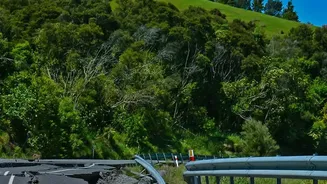
It begins with a sudden, violent event. The Himalayas are geologically young and fragile, prone to instability. An intense cloudburst, a rock and ice avalanche from a high peak, or an earthquake can dislodge millions of tonnes of rock, soil, and debris.
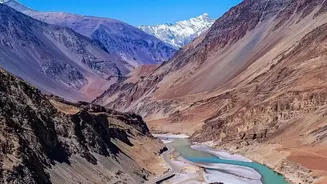
This mass hurtles down the steep slopes into a river gorge, which acts as a natural funnel. In events like the 2021 Chamoli disaster, a massive rock and ice avalanche was the trigger, creating a disaster cascade that moved at incredible speed. These events are often exacerbated by a combination of factors, including heavy rainfall that saturates the ground, making slopes more likely to fail.
An Unstable Dam is Born
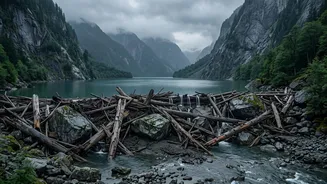
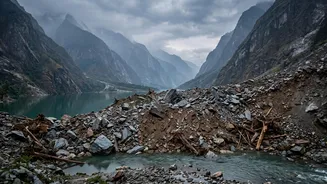
The river, once free-flowing, is now blocked by what is known as a landslide dam. Unlike a carefully constructed concrete dam, this is a chaotic, unstable pile of loose material. This natural barrier can be enormous, sometimes reaching hundreds of metres in height, spanning the entire valley and choking the river's flow completely. The material is unconsolidated, meaning it has gaps and weaknesses. It has no engineered spillway to safely release pressure. For all its immense size, this newly formed dam is temporary and extremely dangerous.
A Lake Where None Should Be
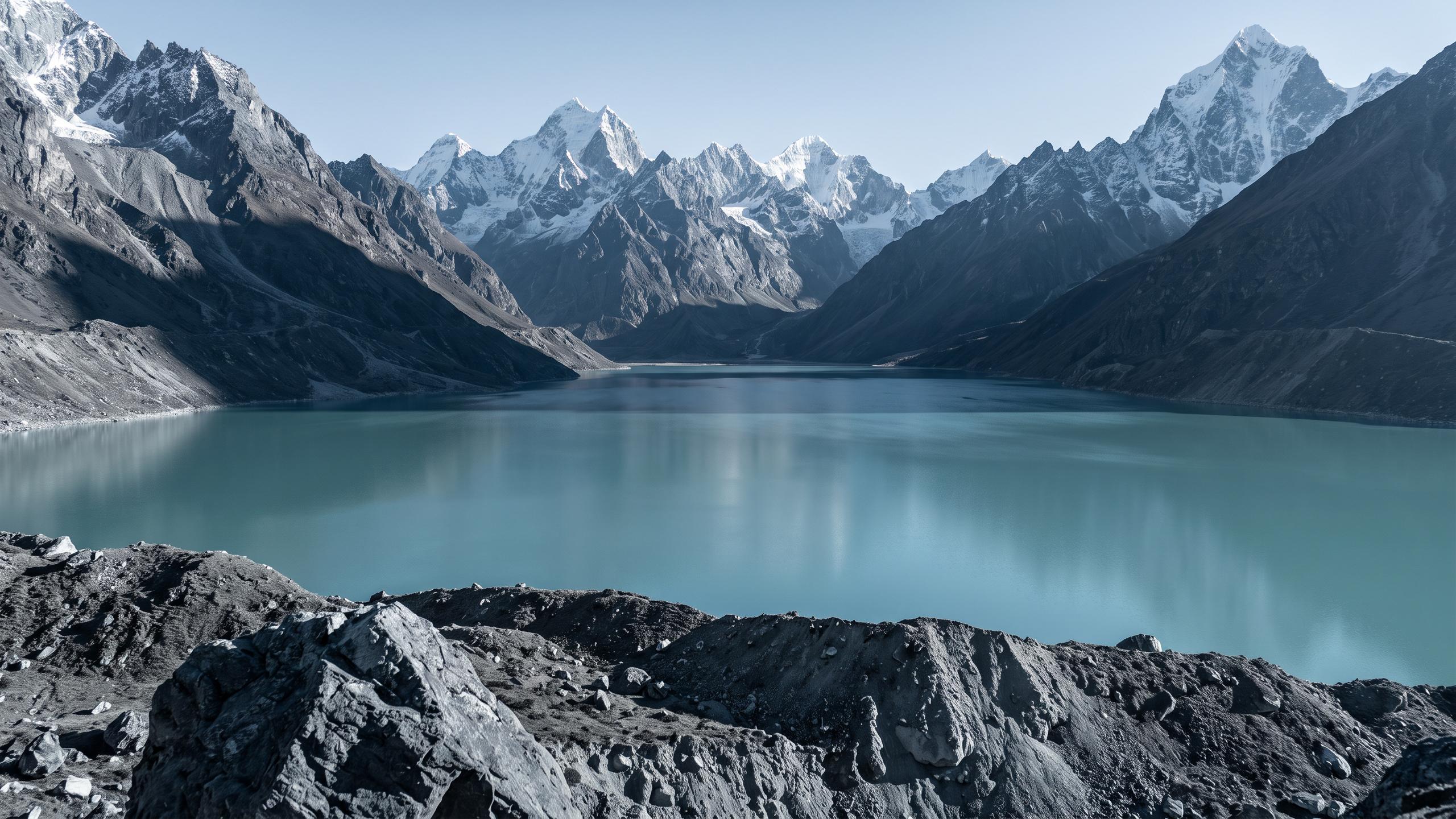
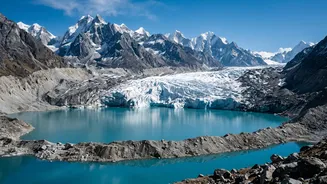
Behind the blockage, the river water has nowhere to go. It begins to back up, rapidly forming a large and deep lake. This upstream flooding can inundate villages, agricultural land, and infrastructure that were previously safe. As the lake grows, the volume of water—and the pressure it exerts on the unstable dam—increases by the hour. This process turns the landslide dam into a ticking time bomb. The rising water starts seeping through the porous debris, a process called 'piping', which can internally erode and weaken the structure from within.
The Catastrophic Failure
Landslide dams are notoriously short-lived; studies show that half of them fail within 10 days of formation. Failure typically happens in one of two ways. The most common is overtopping, where the lake level rises above the lowest point of the dam's crest. The water spills over and quickly erodes the loose material, carving a rapidly widening breach. The second is a complete structural collapse under the immense water pressure. The result is the same: a Landslide Dam Outburst Flood (LDOF). The entire lake empties in a sudden, violent burst, releasing a towering wall of water, mud, and boulders. This slurry moves downstream at high velocity, with a destructive power far greater than the initial landslide.
The Devastating Aftermath
The outburst flood is a force of nature that obliterates everything in its path. Described as moving like liquid concrete, it scours valley walls and can carry boulders the size of cars. Bridges, roads, and entire settlements are swept away in moments. Hydropower projects, which are increasingly common in the Himalayas, are particularly vulnerable. The 2021 Chamoli flood, for instance, severely damaged two major hydropower stations, leading to the tragic loss of many workers. The human and economic costs of these events are staggering, often isolating remote communities and hampering rescue efforts for weeks.
The Scars That Remain
Even after the floodwaters recede, the landscape is permanently altered. The massive volume of sediment and debris carried by the flood is deposited downstream, raising the riverbed. This reduces the river's capacity to carry water, making the area more prone to severe flooding during normal monsoon seasons. Agricultural land can be buried under metres of sterile silt and rock, destroying livelihoods. The event serves as a stark warning about the cascading risks in the Himalayas, where one hazard can trigger another, a problem amplified by climate change and increased infrastructure development in these fragile environments.