




The Official Story: A Contained Number
On the surface, recent news on inflation seems encouraging. The headline inflation rate, or the Consumer Price Index (CPI), has been hovering within the Reserve Bank of India's comfort zone of 2% to 6%. The latest figures for July 2026 put the number
at 4.45%, a rise from previous months but still manageable from a policy perspective. The CPI is the government's official measure of how the price of a typical basket of household goods and services changes over time. When this number is stable and within a target range, it suggests the broader economy is not overheating.
What It Does Mean: A Steady Hand on Interest Rates
A contained headline inflation figure has one major positive implication for families: stability in loan repayments. Because overall inflation isn't running wild, the RBI has been able to hold its key policy repo rate steady at 5.25%. This is the rate at which it lends to commercial banks, and it directly influences the interest rates on your home, car, and personal loans. A stable repo rate means your EMIs are less likely to see a sudden, sharp increase. Furthermore, another figure called 'core inflation'—which strips out volatile food and fuel prices—has remained relatively low at around 3.9%. This indicates that the prices for a wide range of other goods and services, from clothing to household items, are not rising aggressively.
What It Does Not Mean: Relief at the Kirana Store
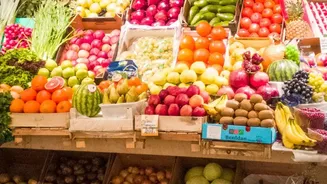
This is where the official story diverges from daily reality. The single biggest reason your monthly budget feels stretched, despite a moderate headline number, is food inflation. The Consumer Food Price Index (CFPI) tells a very different story, with prices rising at a much faster clip of 5.52%. Since food and beverages account for nearly half of the average Indian household's spending, this increase has an outsized impact on your wallet. So while the overall 'basket' of goods might be seeing moderate price rises, the most essential part of that basket is getting significantly more expensive.
The Real Story in Your Kitchen
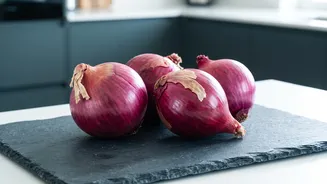
The pressure on family budgets comes from specific, everyday items. Recent months have seen notable price increases in essentials like milk, pulses, ginger, and onions. Furthermore, a shift is being observed where protein-rich items like fish and chicken, along with processed foods, are becoming key drivers of inflation. Global factors are also at play. Elevated international prices for edible oils are being passed on to consumers at home, affecting cooking costs. These are not abstract statistics; they are real increases that families notice every time they shop for groceries, forcing difficult choices and budget adjustments.
Why Your Food Bill Remains High
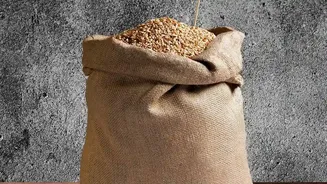
Several factors are stirring the pot of food inflation. Domestically, weather has played a big role, with erratic monsoons and adverse conditions affecting crop yields. Experts have also warned that the ongoing El Niño weather pattern, expected to peak late in the year, could pose further risks to agricultural output, particularly for the upcoming Rabi crops like wheat. Globally, geopolitical tensions and supply chain disruptions continue to put pressure on commodity prices, from fuel to fertilisers, which indirectly increases the cost of producing and transporting food to your local market.
The Quiet Impact on Savings and Plans
Even a moderate inflation rate of 4-5% quietly erodes the value of your money. If your bank savings or fixed deposits are earning interest at a lower rate, your purchasing power is effectively shrinking. The ₹10,000 you saved last year will buy you less today. This makes long-term financial goals, from a child's education to retirement, harder to reach. While the RBI is currently holding rates, minutes from its recent meetings show a cautious stance. Officials have noted that if food prices continue to drive inflation higher, they may be forced to 'recalibrate' policy—a hint that interest rate hikes could be on the table later in the year to curb spending, which would make future loans more expensive.