

Upgrade Your Grains and Flours
The foundation of many Indian meals lies in grains. This is also the easiest place to make a high-impact swap. Instead of polished white rice, consider switching to brown rice, which retains its fibre-rich bran layer. For an even bigger upgrade, embrace
the world of millets. Grains like jowar (sorghum), bajra (pearl millet), and ragi (finger millet) are traditional powerhouses of nutrition and contain significantly more fibre than rice. A jowar or bajra bhakri can be a satisfying alternative to a standard chapati. When it comes to flour, look beyond refined maida. Using whole wheat atta is a great start. You can also experiment with multi-grain attas or add flours like ragi or jowar to your regular chapati dough for an easy fibre boost without drastically changing the taste.
Lean into Lentils and Legumes
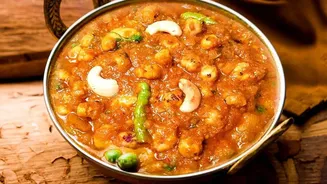
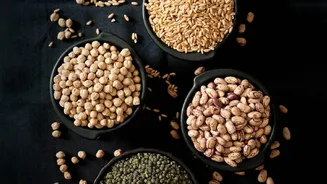
Dals, pulses, and legumes are the heart of Indian cuisine and are fantastic sources of both fibre and protein. Prioritise using whole pulses like whole moong, masoor, or chana over their split and polished versions, as the husk contains valuable fibre. Rajma (kidney beans) and Kabuli chana (chickpeas) are fibre champions, with a single cup providing a substantial portion of your daily needs. Aim to include a dal or legume dish with every main meal. Sprouting pulses before cooking can also enhance their nutritional profile and make them easier to digest. A simple kachumber salad with added boiled chana or a bowl of sprouted moong can be a great fibre-rich addition to your lunch or dinner.
Embrace Seeds as a Super Add-In
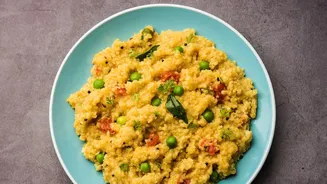
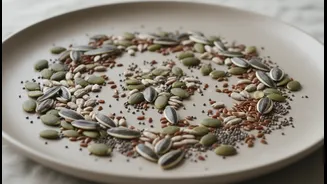
Tiny seeds can make a big difference to your fibre intake. Flaxseeds (alsi) and chia seeds are particularly potent. Since they are relatively tasteless, they can be added to almost anything. Knead a spoonful of ground flaxseeds or chia seeds into your roti dough, sprinkle them over poha or upma, or stir them into a bowl of dahi or raita. A teaspoon of chia seeds soaked in water forms a gel that can be added to juices or buttermilk. You can also create a simple 'chutney podi' with roasted lentils, flaxseeds, and spices to sprinkle over rice or idlis. These small additions accumulate throughout the day, significantly increasing your overall fibre consumption.
Rethink Your Snacking Habits
Mid-meal hunger is often when we reach for convenient, but usually refined, snacks. A fibre-focused pantry can offer better choices. Roasted chana is a classic, crunchy, high-fibre snack that is far more satisfying than a packet of chips. Makhana (fox nuts), when lightly roasted, provide a light yet filling option. A handful of nuts like almonds and walnuts also contributes fibre and healthy fats. Instead of reaching for biscuits, consider having a whole fruit like an apple, guava, or pear—make sure to eat the skin where much of the fibre resides. Even a small bowl of dahi with some fruit and a sprinkle of seeds can be a powerful, fibre-rich mini-meal.
Maximise Your Vegetables
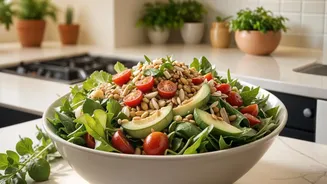
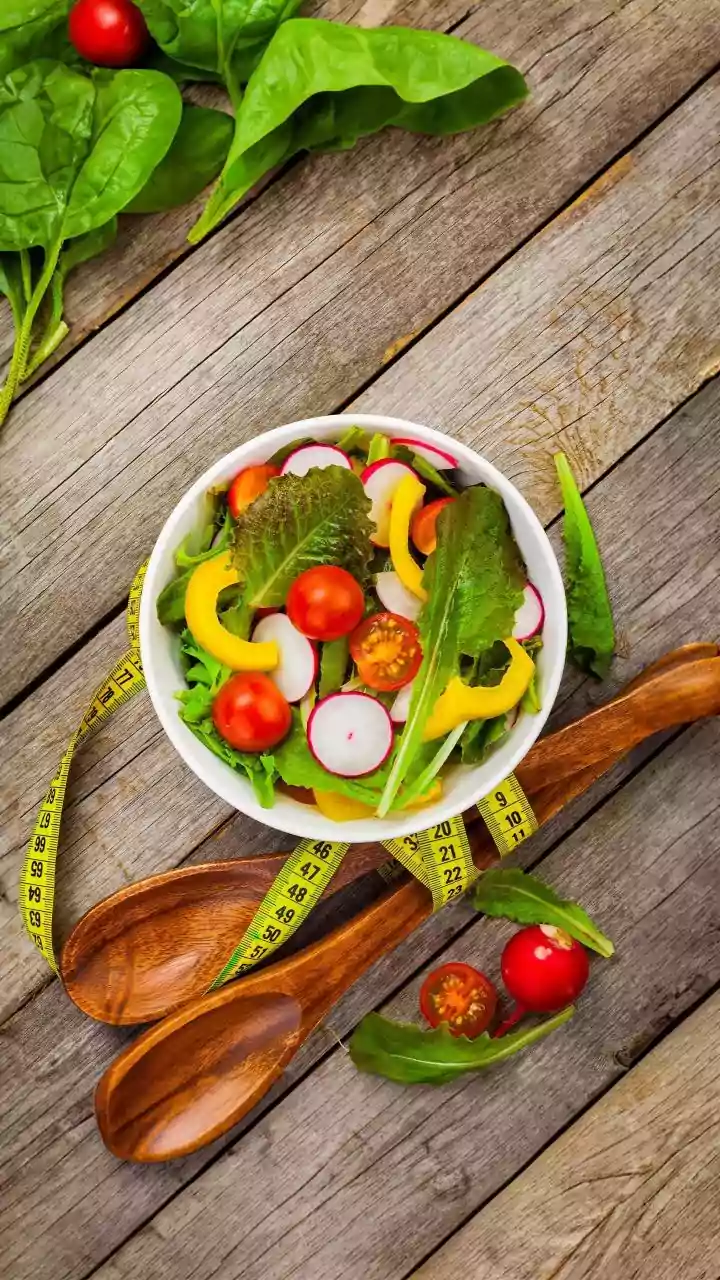
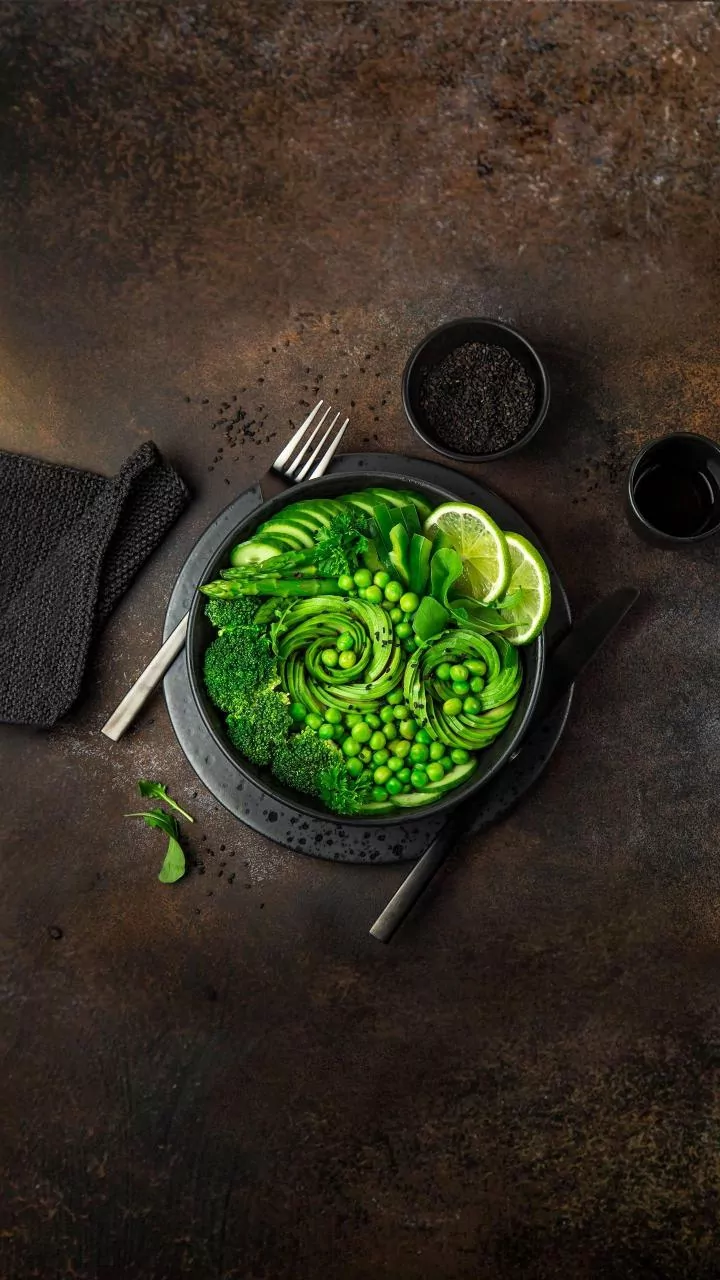
While we all know vegetables are healthy, consciously including high-fibre options can elevate their benefits. Vegetables like bhindi (okra), green peas, beans, and leafy greens like spinach (palak) and fenugreek (methi) are excellent sources. The key is to ensure vegetables are a major component of your plate, not just a small side dish. Traditional preparations like sabzis, poriyals, and dals made with greens are perfect. Try to include a raw element daily, such as a simple cucumber-tomato-onion salad, to get the benefits of fibre that can be lost during cooking. Eating a variety of seasonal vegetables ensures you get a wide range of different types of fibre, which is great for gut health.