




The Annual Festival Travel Crunch
Come Diwali, Chhath Puja, or Holi, a massive migration takes place across India. People working in metropolitan hubs like Mumbai, Delhi, and Bengaluru head to their hometowns to celebrate with family. Trains, being the most practical and affordable mode
of transport for many, see an unprecedented surge in demand. Bookings for popular routes open 120 days in advance and can get fully booked within minutes, leaving millions on dauntingly long waitlists. This predictable chaos is precisely why Indian Railways deploys a strategy to manage the overwhelming seasonal rush and provide relief to passengers.
What Exactly Are Festival Special Trains?
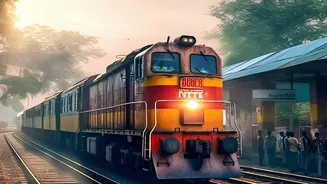
Festival special trains are temporary, unscheduled services introduced by Indian Railways on high-demand routes to clear the extra passenger traffic during peak seasons. These trains are identifiable by their five-digit number, which typically starts with a '0' (like 04209). Unlike permanent trains, they operate for a limited period, such as a few weeks or months, covering the festival period. Indian Railways announces these trains across its various zones—like Central, Northern, and Southern Railways—connecting major cities with destinations in states like Uttar Pradesh, Bihar, West Bengal, and Kerala. These services are a direct response to sold-out regular trains, creating much-needed additional capacity.
How to Find and Book These Trains
Vigilance and speed are key to securing a berth on a special train. Since these trains are announced closer to the festival dates, you need to know where to look. The primary and most reliable sources are the official IRCTC website (irctc.co.in) and the IRCTC Rail Connect mobile app. When you search for trains between your desired stations, these special services will appear in the search results alongside regular ones. Other crucial platforms include the National Train Enquiry System (NTES) app for real-time updates and the official social media accounts of various railway zones, which often post press releases about new services. Bookings usually open a few days after the announcement, and it's essential to book the moment they go live, as they fill up extremely quickly.
Understanding 'Special' Fares and Rules
One important thing to note is that tickets on these trains come with special charges. The fare is typically 10% to 30% higher than the base fare for an equivalent class on a regular mail or express train, similar to Tatkal rates. This surcharge helps cover the operational costs of running additional services during congested periods. Furthermore, some premium or Suvidha special trains (often numbered starting with '82') use a dynamic pricing model, where fares increase as more berths are booked, much like airline tickets. It is also common for these trains to have limited or no concessions available, and rules around cancellations can be stricter. Waitlisted tickets are often not issued for certain premium specials, meaning you only get a confirmed or RAC ticket.
Tips for a Successful Booking
To maximize your chances, preparation is everything. Before bookings open, use the 'Master List' feature on your IRCTC account to save passenger details (name, age, ID proof). This saves precious seconds during the booking process. Keep your preferred payment method—like UPI or the IRCTC e-wallet—ready for a swift checkout. Flexibility can also be a winning strategy; be open to travelling a day or two before or after your ideal date, or consider boarding from a nearby station instead of the main city terminal. Finally, even if you are waitlisted, monitor your PNR status regularly. Many tickets get confirmed closer to the journey date as cancellations occur.