






The Problem with Modern Feet
For most of human history, our feet were our primary connection to the world, constantly adapting to varied, uneven terrain. This built strong, flexible arches and dexterous toes. Fast forward to today. We spend most of our lives in cushioned, supportive
shoes on flat, predictable surfaces. While comfortable, this environment effectively puts our feet in a cast. The small, intrinsic muscles within the foot atrophy from disuse, leading podiatrists to link this weakness to common ailments like plantar fasciitis, bunions, and general foot pain. Our shoes do the work our muscles are supposed to do, and over time, our feet forget how to support themselves.
What Are 'Movement Sequences'?
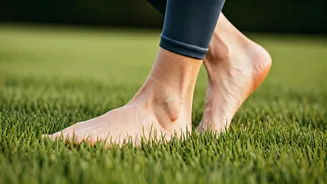
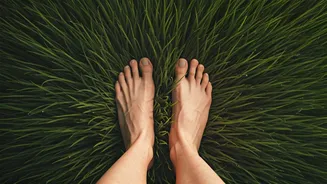
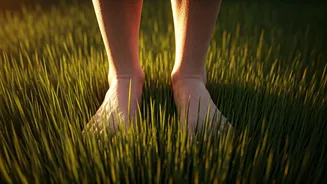
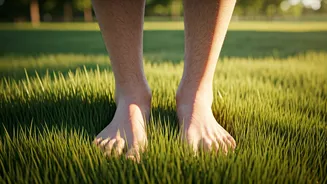
This trend is about more than just walking barefoot. A “movement sequence” involves performing a series of simple, foundational human movements on a natural surface like grass. Think of it as a mini-workout for your feet and body. These sequences aren’t complex; they often include actions we did as children. This could be transitioning from standing to a deep squat, performing walking lunges, balancing on one leg, or even crawling for a short distance. The key is the combination of being barefoot and moving through different planes of motion. The uneven, soft texture of the grass forces the tiny muscles in your feet and ankles to fire constantly to stabilise your body, reawakening them in the process.
Benefits Beyond Foot Strength
While stronger feet are the main goal, the benefits don’t stop there. Going barefoot on grass significantly enhances proprioception—your body's awareness of its position in space. The thousands of nerve endings on the soles of your feet receive a flood of information from the ground, improving your balance, coordination, and overall movement quality. This can reduce the risk of falls and injuries, particularly in ankles and knees. Many proponents also speak of the mental benefits. The practice, often called 'grounding' or 'earthing', is a mindful activity that can reduce stress and foster a deeper connection with nature, pulling you away from screens and into the physical world.
How to Get Started Safely
Your feet have likely been 'de-conditioned' by years of wearing shoes, so it’s crucial to start slowly to avoid injury. 1. **Scout Your Spot:** Find a clean, safe patch of grass you know is free from pesticides, sharp objects, and animal waste. A familiar park or your own backyard is ideal. 2. **Start Short:** Begin with just 5-10 minutes. Your feet and ankles may feel tired or sore afterwards, which is normal as you're using new muscles. Don’t push through sharp pain. 3. **Keep it Simple:** Start by just walking. Feel the grass under your feet. Notice how your foot moves and adapts. Then, try simple balances, standing on one leg for 30 seconds. Progress to slow walking lunges or a few gentle squats. 4. **Listen to Your Body:** Pay attention to feedback from your feet. If you have pre-existing foot conditions or diabetes, it’s essential to consult with a doctor or podiatrist before you begin.
What to Expect
Initially, your feet might feel sensitive. The skin on the soles will need time to adapt. Over a few weeks of consistent, short sessions, you should notice improvements. Your balance may feel more stable, and the small aches you once had after a long day of standing might begin to fade. Think of this not as a high-intensity workout but as fundamental maintenance for your body’s foundation. It’s a return to a more natural way of moving that can have a ripple effect on your overall health, starting from the ground up.