


What Are the Sacred Celebrations?
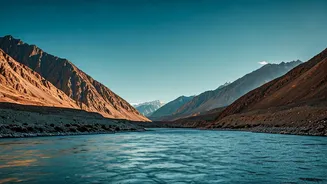
The headline points you towards one of Ladakh’s most meaningful modern festivals: the Sindhu Darshan Festival. Celebrated annually over three days, typically from June 23 to June 26, this event is held on the banks of the mighty Indus River (Sindhu) at Shey
Manla, about 8 kilometres from Leh. Unlike ancient monastic festivals, Sindhu Darshan is a relatively new tradition, started in 1997. It was conceived as a celebration of the Indus River, which is not just a geographical feature but a cradle of civilisation and a symbol of India's cultural harmony and unity. The festival attracts people from all corners of the country, making it a vibrant melting pot of traditions against the stunning backdrop of the Ladakhi mountains.
A Symbol of Unity and Heritage
At its heart, the Sindhu Darshan Festival is a tribute to the river that has nurtured life for millennia and an homage to the brave soldiers who protect our nation's borders. The festival's core message is one of communal harmony and national integration. Participants bring water from their home rivers in earthen pots and immerse it in the Indus, symbolising the merging of India’s diverse cultures into a single, unified stream. This simple yet profound ritual underscores the festival's purpose: to reinforce the idea of unity in diversity. It’s a powerful experience, reminding visitors that beneath our regional identities, we are all connected by shared heritage and natural wonders like the magnificent Indus.
What to Expect: Rituals and Performances
A trip to the Sindhu Darshan Festival is a full-bodied cultural immersion. The event kicks off with a reception ceremony for participants, followed by a series of prayers and rituals led by a group of fifty senior lamas. The air fills with the sound of chanting and the scent of juniper, creating a deeply spiritual atmosphere. Following the solemn rituals, the festival grounds erupt in a riot of colour and sound. You will witness a spectacular showcase of folk-art performances by artists from various states across India. From vibrant Rajasthani dances to energetic Punjabi Bhangra and graceful Manipuri performances, the stage becomes a microcosm of India’s rich artistic tapestry. It is a feast for the senses, offering a rare chance to see diverse cultural expressions in one place.
Planning Your Trip: Essential Tips
Flying into Leh is the most common way to reach Ladakh. The Kushok Bakula Rimpochee Airport has regular flights from Delhi and other major cities. Once in Leh, the festival site at Shey Manla is a short taxi ride away. However, the most critical piece of advice for any visitor is to acclimatise. Leh is situated at an altitude of over 11,500 feet, and altitude sickness is a real risk. Plan to rest completely for the first 24-48 hours upon arrival. Drink plenty of water, avoid strenuous activity, and allow your body to adjust to the low oxygen levels. Book your accommodation well in advance, as June is peak tourist season. Whether you choose a hotel in Leh or a local homestay for a more authentic experience, early booking is key.
Beyond the Festival: Exploring Ladakh
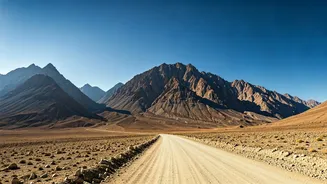
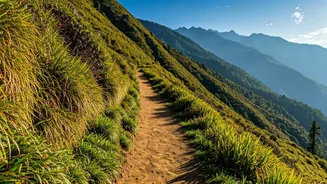
While the Sindhu Darshan Festival is a compelling reason to visit, Ladakh’s wonders don't end there. Use the festival as a cultural anchor for a longer trip. Explore the magnificent monasteries of Hemis, Thiksey, and Diskit, each a repository of history and spirituality. Take a drive to the breathtaking Pangong Tso, the high-altitude lake whose colours shift from turquoise to deep blue. Journey to the Nubra Valley, known for its sand dunes and double-humped Bactrian camels. The stark, majestic landscape of Ladakh offers endless opportunities for trekking, photography, and quiet contemplation. A visit during the festival season allows you to combine this natural grandeur with a unique and heartwarming cultural experience.